




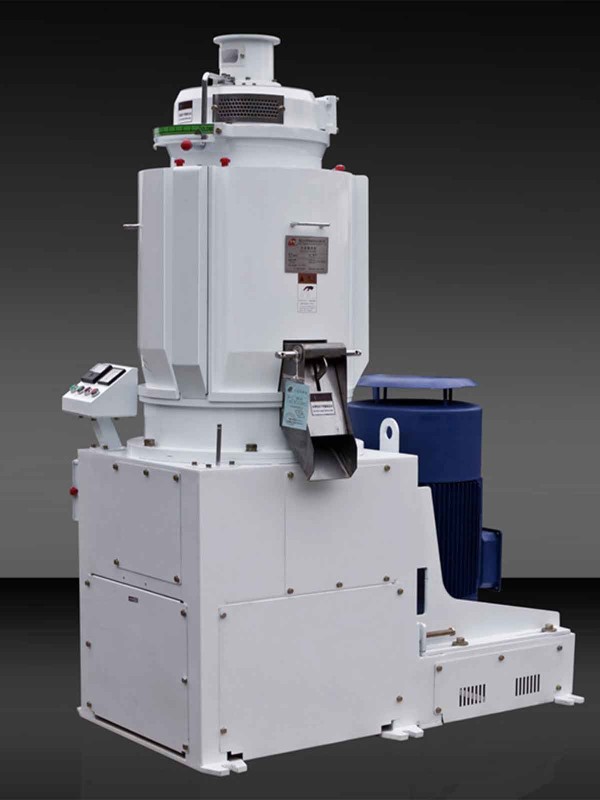
Redefine rice milling with our advanced machines.
Unveiling the Essence of Rice Milling
Rice milling serves as the backbone of the agricultural sector in Bangladesh, bridging the gap between raw paddy and polished rice. Understanding the intricacies of this process is crucial for optimizing productivity and ensuring quality output.
The Significance of Rice Mills in Bangladesh
Rice mills are the heart of Bangladesh's rice industry, where raw paddy undergoes a series of processes to yield polished rice. These mills not only contribute to food security but also play a vital role in the country's economy by generating employment opportunities and fostering rural development.
Evolution of Rice Milling Techniques
Over the years, rice milling techniques have evolved significantly, transitioning from traditional methods to modern, automated processes. From hand-pounding to state-of-the-art milling machines, the journey reflects the industry's quest for efficiency and quality.
Rice Mill Machinery: Innovations Driving Progress
Revolutionizing Rice Milling with Advanced Machinery
Modern rice mill machinery revolutionizes the traditional milling process, offering enhanced efficiency, precision, and quality control. In Bangladesh, the adoption of these advanced technologies marks a significant leap towards sustainable rice production.
Essential Components of Rice Mill Machines
Rice milling machines encompass a range of components, each playing a crucial role in the processing cycle. From cleaners and huskers to polishers and graders, understanding these components is vital for optimizing mill performance.
Benefits of Modern Rice Mill Machinery
The integration of modern rice mill machinery brings forth a myriad of benefits for millers and farmers alike. Increased productivity, reduced wastage, and improved quality standards are among the many advantages driving the adoption of these technologies across Bangladesh.
Navigating the Rice Milling Landscape in Bangladesh
Challenges and Opportunities in Bangladesh's Rice Industry
Despite its significance, the rice industry in Bangladesh faces various challenges, including limited access to modern technology, infrastructure constraints, and fluctuating market dynamics. However, amidst these challenges lie ample opportunities for innovation and growth.
Sustainable Practices in Rice Milling
Sustainability emerges as a key focus area in Bangladesh's rice milling landscape, with efforts underway to minimize environmental impact and promote resource efficiency. From eco-friendly milling practices to the adoption of renewable energy sources, sustainable initiatives pave the way for a greener future.
Future Outlook and Growth Prospects
As Bangladesh strides towards modernization, the rice milling sector holds immense potential for expansion and diversification. With continued investments in technology, infrastructure, and skill development, the industry is poised for sustained growth, driving economic progress and food security.
In conclusion, rice mills and milling machines stand as pillars of progress in Bangladesh's vibrant agricultural sector. By embracing innovation, leveraging advanced technologies, and fostering sustainable practices, the industry charts a course towards a brighter, more prosperous future. As stakeholders unite in their pursuit of excellence, the journey of rice milling in Bangladesh unfolds, symbolizing resilience, growth, and transformation.
About Us:
www.ekracargo.com is a leading platform dedicated to promoting innovation and excellence in the rice milling industry. With a commitment to empowering millers, farmers, and stakeholders across Bangladesh, we strive to be a catalyst for positive change and sustainable development. Explore our


Ekracargo.com - Your trusted partner in industrial efficiency, providing a wide range of premium quality spare parts at competitive prices.
Contact Info
- Address: House 54 | Road 14 | Sector 14 | Uttara | Dhaka 1230 | Bangladesh
- Phone: Contact: +8801634736139 (WhatsApp) ,+8801789394669 (WhatsApp)
- Email: info@ekracargo.com