




The Essential Guide to Milling of Paddy: Mastering the Paddy Milling Process | Best Rates | Buying Guide | Detailed Tips | Maintenance | FAQ |
The Essential Guide to Milling of Paddy: Mastering the Paddy Milling Process
There
is just something so comforting in the aroma of a steaming bowl of freshly
cooked rice. It is the food staple of over half the world's inhabitants. But
have you ever really thought about how much goes into the process that plain
ol' grain of rice goes through before it ends up on your shelves?
That
process is referred to as paddy milling, and it's the most critical process
that transforms unpalatable, dirty paddy (or raw rice) into the white clean,
dark brown, or parboiled rice we eat. The knowledge of the process isn't only
for rice farmers; it's the key to releasing more flavor, nutrition, and quality
in every single bite.
In this exhaustive guide, we're diving deep into paddy milling. We'll learn how it's milled, how your health can be affected by the quality of milling, and even take you through the choices if you choose to mill rice at home. Let's embark on this paddy-to-plate journey.
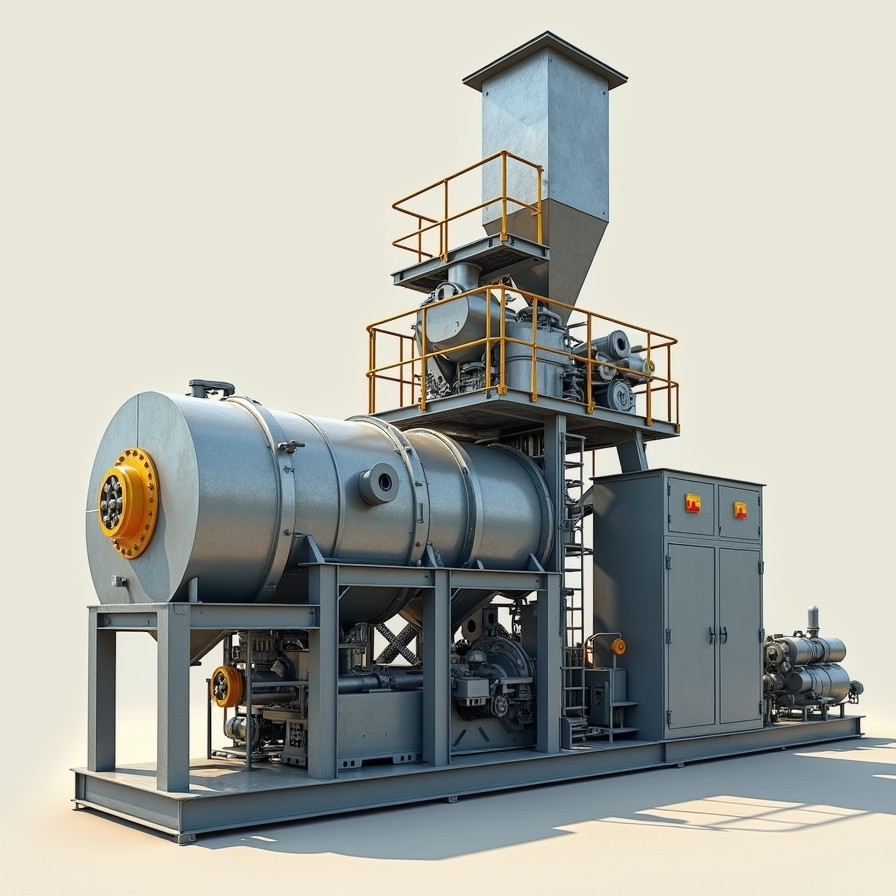
Explore the Auto Rice Mill at Ekra Cargo
What
is Paddy Milling? The Science Behind Your Supper
Paddy
rice in the paddy field is surrounded by a hard, woody hull or husk. The hull
is indigestible and must be broken. Paddy milling is a multi-stage process with
the only purpose of breaking it without harming the precious grain inside.
Following
is the process description step by step of old-mill and new-mill process:
Cleaning
and Husking: The received paddy crop is cleaned to remove stones, dust, and
other unwanted material. It is then treated with a sheller or a husker that
uses friction or pressure to crack and strip off the outer husk. Brown rice—the
complete nutrient-rich bran layer remaining—results.
Separation:
Unhulled paddy and brown rice are separated, normally by paddy separators or
air blowers, so that de-husked grains only proceed to the next process.
Whitening/Polishing
(The Critical Step): It is here that brown rice is whitened to white rice.
Grains are subjected to an abrasive or friction whitener that strips away the
bran covering. The whiter, the more polished. This process has a drastic impact
on the nutritional value.
Grading
and Sorting: Lastly, the milled rice is sorted by size and shape. It is sorted
away from broken grains to whole grains, and it is perhaps polished with
glucose or talc (for certain commercial types) to provide a lustrous
appearance.
The
Big Trade-Off: The higher proportion of grain of rice milled and polished, the
faster cooking and longer lasting rice. But it steals from good nutrients such
as fiber, vitamins, and minerals in the bran and germ. Brown rice is therefore
generally considered healthier than white rice.
Why
Milling Quality Matters: It's More Than Just White Rice
You
can take it for granted that all milled rice is milled the same, but the
quality of the mill is what makes a huge difference in what you are actually
eating.
Conservation
of Nutrients: Good, current milling strives to realize optimum return of whole
grains (head rice) with minimal breakage. Broken grains yield uneven cooking,
and those are usually of lower quality. More seriously, overmilling can be used
to preserve the wholeness of brown rice when that is what one is trying to
preserve.
Safety
and Cleanliness: Industrial mills are larger and have more advanced cleaning
and sorting equipment which guarantees the final product to be totally free of
impurity and contaminant, something which can be problematic to smaller and
less technologically advanced mills.
Flavor
and Aroma: Milling affects the flavor of the rice. Overheat or over-milling
will spoil the grain and cause fine rice aroma to be lost such as Basmati or
Jasmine rice.
This
is when a professional mill service is useful. It can be done in the home (as
we'll discuss shortly), but it can't match the consistency, efficiency, and
control quality that is available at commercial operations.
Should
You Mill Your Own Rice? A Look at Home Paddy Mills
The
"farm-to-table" revolution has also created a home milling fan base.
For the consumer who wants the maximum in freshness and control, home Rice Milling may be attractive. Let's look at some of the best models.
Product
Suggestions for Home Use
1.
The Yamazon Japanese Manual Rice Mill
Ideal
for: Small batches, brown rice enthusiasts, and as a learning aid.
How
it works: Hand-cranked version using adjustable pressure to strip away the hull
and bran layer.
Advantages:
Pros
No
electricity required and cheap.
Total
control achievable over the fineness of milling (light brown to white).
Light
and silent.
Drawbacks:
Slow
beyond conception and time-consuming.
Low
output; not ideal for use in the family on a daily basis.
Potential
higher breakage ratio if used without experience.
2.
Mockmill Stone Grain Mill (with a Paddy Attachment)
Best
suited to: Home bakers and homes already dedicated to grinding flour
themselves.
How
it works: Electric mill with ceramic corundum stones. Requires special paddy
attachment to hull the rice in advance.
Pros:
Multifunctional—can
mill grains, legumes, and spices into flour.
Produces
high-quality, well-milled flour and rice.
Preserves
nutrients because of cool-grinding stones.
Cons:
Expensive
as an initial investment.
Two-step
process (hull separately, then mill).
Milling
chamber difficult to clean throughly.
3.
Zojirushi Home Rice Polishing Machine
Best
for: Serious homeowner consumer who insists on quality and convenience.
How
it works: All-electric appliance that's fully automatic to grind brown rice to
white rice.
Advantages:
Easy
to use—add brown rice and press a button.
Consistent
professional finish with minimal breakage.
Allows
you to control degree of polishing (e.g., light milled, full white).
Disadvantages:
Very
expensive.
You
must start with pre-de-hulled brown rice; it won't hull the original paddy.
Occupies
much counter space.
Smart
Buyer's Guide to Home Rice Mills
Prior
to investing in a home mill, ask yourself the following questions:
Why
am I doing it? For the process, for maximal nutrition, or for daily use?
How
much rice do I consume per week? Hand mills are for occasional use; electric
mills are for intensive use.
How
much is my budget? You can get an automatic polisher for over $500, and a
manual mill for under $50.
Am
I ready for the job? Manual milling is done manually. Electric milling is
hands-free but you still have to do the cleaning.
Verdict:
Home milling is an excellent hobby for the serious food enthusiast. It
signifies maximum freshness. But for the majority of households, the cost,
time, and labor can prove to be real barriers.
The
Professional Advantage: Why Use a "Milling of Paddy" Service?
This
leads us to the essence of our business. Good as home equipment are, they can't
match the sheer volume and efficacy of a professional paddy milling service.
Here's the reason why having a professional service is a better option for the
majority of those who have access to paddy:
Guaranteed
High Yield: Our high-precision equipment is calibrated to produce the highest
proportion of whole grain per batch. More quality rice for you and less
breakage wastes.
Nutrient-Conscious
Milling: We understand the compromise between shelf life and nutrition. We are
able to grind according to order, whether lightly ground brown rice with nearly
all nutrients intact or very precisely polished white rice.
Savings
in Time and Money: Don't waste the man-hours or the astronomical initial
investment in a machine. We do all the work, deliver impeccably dehusked rice
for your household, save yourself at last time and money.
Cleanliness
and Uniformity: Our advanced cleaning, de-husking, and grading equipment
guarantees each packet of rice you get from us is clean, safe, and consistent
in quality—batch after batch.
Do you have a paddy source but not the means to process it? Do you have a small farm, belong to a co-op in your neighborhood, or simply an individual who bought paddy in bulk? Our service is the bridge. We provide the bridge that turns your raw crop into a kitchen-basis, high-quality product.
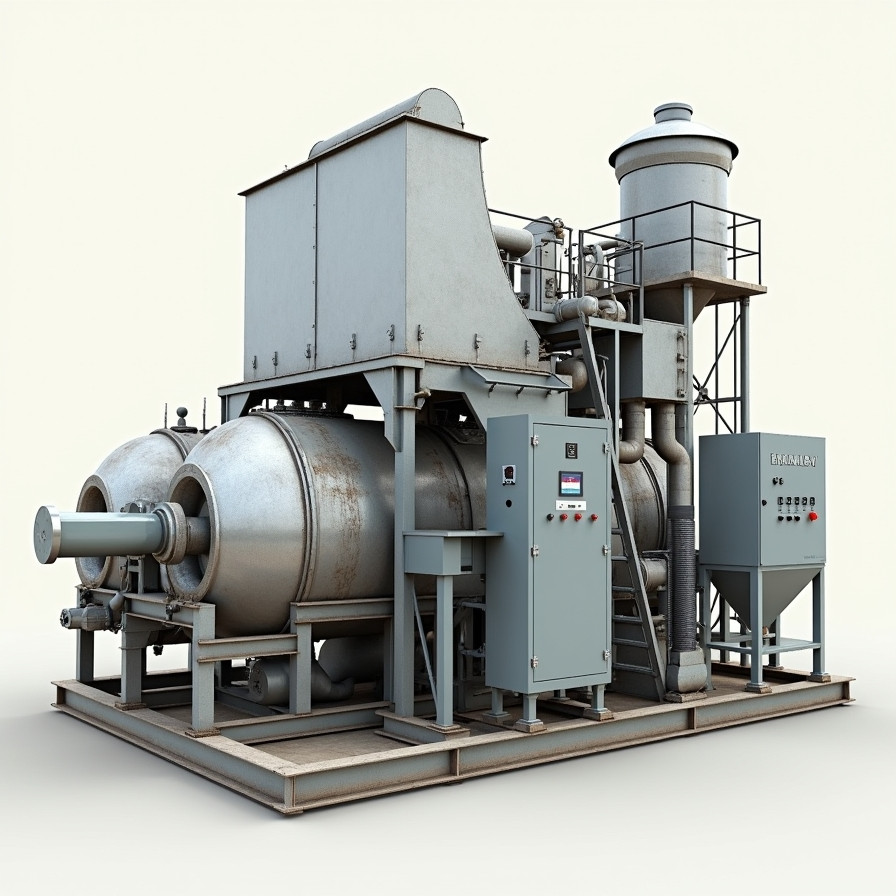
Check the Quality Of Auto Rice Mill at Ekra Cargo
Conclusion:
Freshness, Nutrition, and the Future of Rice
The
process from your paddy field to your dinner table, all due to rice, is agricultural
science wonder. At the heart of the whole process is milling, as it has a
direct bearing on the food's taste, texture, and nutritional content on your
plate.
As
exciting as home milling is an adventure, it's not for all. For others who
desire the benefits of freshly milled rice—improved taste, locked-in nutrients,
and the confidence of having a full grasp of exactly where your food came from
without the work and cost, a commercial paddy milling company is the ideal
compromise.
Want
to indulge in the quality difference milling makes?
If you are the owner of paddy and wish it to be processed into delectable, wholesome rice, we can help you. Order an estimate now and let us mill it for you, so that you can enjoy the ideal bowl of rice, daily.


Ekracargo.com - Your trusted partner in industrial efficiency, providing a wide range of premium quality spare parts at competitive prices.
Contact Info
- Address: House 54 | Road 14 | Sector 14 | Uttara | Dhaka 1230 | Bangladesh
- Phone: Contact: +8801634736139 (WhatsApp) ,+8801789394669 (WhatsApp)
- Email: info@ekracargo.com