




A Beginner Friendly Guide to Circuit Breaker Types | Best Rates | Buying Guide | Detailed Tips | Maintenance | FAQ |
A Beginner-Friendly Guide to Circuit Breaker Types
Circuit breakers are the unsung
heroes of every electrical system. Whether you’re a DIY enthusiast, a
homeowner, or an electrician, understanding the different types of circuit
breakers is key to maintaining a safe and efficient setup.
In this guide, you’ll learn about the various circuit breaker types, their features, pros and cons, and how to choose the right one for your needs.
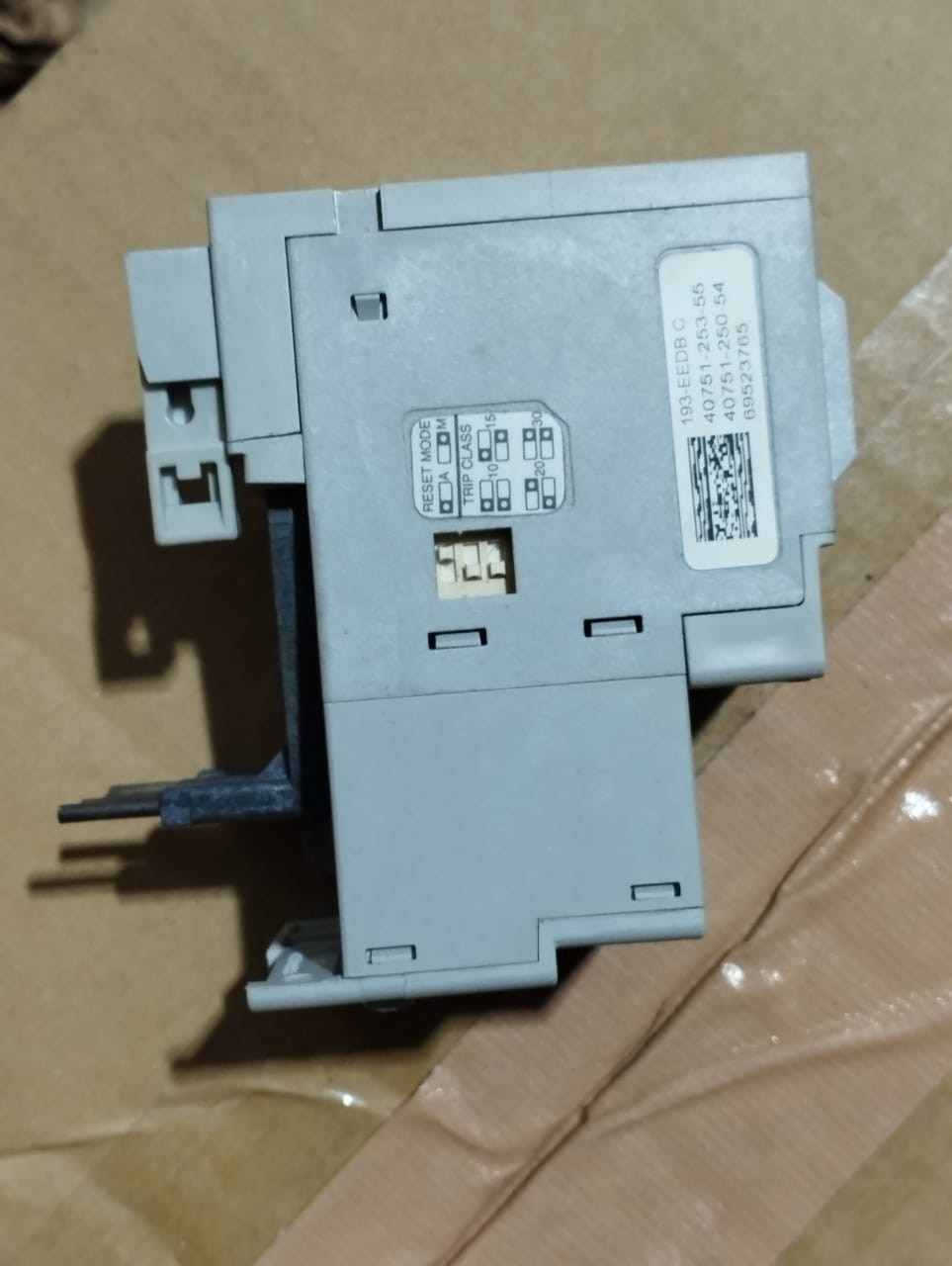
Check the product at Ekra Cargo
What
Is a Circuit Breaker?
A circuit breaker is a safety device
that automatically cuts off electrical flow when an overload or short circuit
occurs. Its main job is to prevent electrical fires and equipment damage.
Why
Are Circuit Breakers Important?
- Safety:
Prevents overheating and electrical fires.
- Convenience:
Easily resettable after tripping.
- Protection:
Shields appliances and wiring from damage.
Common
Types of Circuit Breakers
Let’s break down the main types
you’ll encounter:
1️⃣
Miniature Circuit Breakers (MCB)
Use: Residential and light commercial electrical systems.
Features:
- Protects against short circuits and overloads.
- Available in single, double, and triple poles.
Pros:
✔️ Compact size
✔️ Easy to install
✔️ Affordable
Cons:
❌ Not suitable for high-voltage applications
2️⃣
Molded Case Circuit Breakers (MCCB)
Use: Industrial and large-scale commercial systems.
Features:
- Higher current ratings than MCBs.
- Adjustable trip settings for flexibility.
Pros:
✔️ Handles higher loads
✔️ Adjustable protection settings
✔️ Durable and reliable
Cons:
❌ Bulkier than MCBs
❌ More expensive
3️⃣
Residual Current Circuit Breaker (RCCB)
Use: Protects against earth faults and electric shocks.
Features:
- Trips when it detects current leakage.
- No overload protection — must pair with MCB.
Pros:
✔️ Excellent for human safety
✔️ Fast response time
✔️ Reduces risk of electrocution
Cons:
❌ No protection against overload
❌ Needs coordination with MCBs
4️⃣
Residual Current Breaker with Overcurrent Protection (RCBO)
Use: Homes and workplaces needing both overload and leakage
protection.
Features:
- Combines the benefits of MCB and RCCB.
- Protects against overloads, short circuits, and earth
faults.
Pros:
✔️ Multi-protection in one device
✔️ Saves panel space
✔️ Improves overall system safety
Cons:
❌ More expensive
❌ Installation requires precision
5️⃣
Air Circuit Breaker (ACB)
Use: Industrial plants and large buildings.
Features:
- Uses air as the arc extinguishing medium.
- High breaking capacity.
Pros:
✔️ Suitable for heavy-duty systems
✔️ Easy maintenance
✔️ High breaking performance
Cons:
❌ Expensive
❌ Requires more installation space
6️⃣
Vacuum Circuit Breaker (VCB)
Use: Medium-voltage applications like substations.
Features:
- Arc extinguished in vacuum.
- Low maintenance.
Pros:
✔️ Long lifespan
✔️ Minimal maintenance
✔️ Environment-friendly (no gas)
Cons:
❌ Costly
❌ Limited to medium voltage
7️⃣
Oil Circuit Breaker (OCB)
Use: High-voltage systems in industrial areas.
Features:
- Uses oil for arc quenching.
- Can handle heavy loads.
Pros:
✔️ Effective arc quenching
✔️ High durability
Cons:
❌ Oil maintenance required
❌ Fire risk if oil leaks
Product
Recommendations
1. Square D by Schneider Electric HOM115 Circuit Breaker
Pros:
✔️ Trusted brand
✔️ Easy snap-in installation
✔️ Affordable and durable
Cons:
❌ Limited to home applications
❌ No advanced features like RCCB or RCBO
2. Siemens QF250A GFCI Circuit Breaker
Pros:
✔️ Ground fault protection
✔️ Easy to reset
✔️ High build quality
Cons:
❌ More expensive than standard MCBs
❌ GFCI trips can be sensitive
3. Eaton BR Thermal Magnetic Circuit Breaker
Pros:
✔️ Great for both residential and light commercial
✔️ Compact and reliable
✔️ Affordable
Cons:
❌ Limited to specific Eaton panels
❌ Not suitable for industrial systems
Buying
Guide: How to Choose the Right Circuit Breaker
When shopping for circuit breakers,
consider these important factors:
⚡
1. Application
- Home? Light commercial? Industrial?
- Choose MCB for homes, MCCB for heavy loads.
⚡
2. Voltage and Current Rating
- Match the breaker’s rating with your system's
requirements.
⚡
3. Type of Protection
- Need short circuit only? Go for MCB.
- Want leakage protection? RCCB or RCBO.
⚡
4. Brand Reliability
- Stick with trusted brands like:
- Schneider Electric
- Siemens
- Eaton
- ABB
⚡
5. Compliance
- Look for certifications like UL, IEC, or ANSI to ensure
safety.
Personal
Experience
When I first upgraded the electrical
panel in my old house, I went with a mix of MCBs and RCBOs. The MCBs handled
general circuits well, but the RCBOs offered peace of mind in the kitchen and
bathroom, where water and electricity often mix. After a year, I’ve had zero
false trips and total confidence in the system.
For professionals, choosing the
right breaker saves you call-backs and customer complaints. For DIYers, it
could save your appliances — and your life.
FAQs
About Circuit Breaker Types
Q1: Can I use any circuit breaker
for my home?
Not really! You need to match the breaker to your system’s voltage, current,
and safety needs. MCBs are best for homes.
Q2: What’s the difference between
MCB and RCCB?
MCBs protect against overloads and short circuits. RCCBs protect against
electric shocks by detecting current leaks.
Q3: Are expensive circuit breakers
worth it?
Yes, if you value reliability and advanced safety. Premium brands usually meet
international safety standards.
Q4: Can I install a circuit breaker
myself?
If you’re not a licensed electrician, it’s better to call a pro. Incorrect
installation can lead to dangerous faults.
Q5: How often should I replace a
circuit breaker?
Typically, circuit breakers last 15-30 years. Replace them if they trip
frequently without reason or show signs of wear.
Conclusion
Understanding circuit breaker types
is a must for anyone dealing with electrical systems. From the simple MCB to
advanced RCBOs and industrial MCCBs, the right choice enhances safety and
performance.
Whether you're upgrading your home, designing a workshop, or planning an industrial setup — this guide helps you make an informed decision.


Ekracargo.com - Your trusted partner in industrial efficiency, providing a wide range of premium quality spare parts at competitive prices.
Contact Info
- Address: House 54 | Road 14 | Sector 14 | Uttara | Dhaka 1230 | Bangladesh
- Phone: Contact: +8801634736139 (WhatsApp) ,+8801789394669 (WhatsApp)
- Email: info@ekracargo.com