




The Ultimate Guide to Big Rice Mill Machine Price and Selection | Best Rates | Buying Guide | Detailed Tips | Maintenance | FAQ |
The Ultimate Guide to Big Rice Mill Machine Price and Selection
A
profitable rice processing business's heart is a milling machine. For
agri-entrepreneurs, cooperatives, and large farmers, the purchase of a large
rice mill machine is a central investment that has a direct impact on the
quality of production, profitability, and operational efficiency. But
attempting to determine what the actual big rice mill machine price in the
market is gets overwhelming. The prices on the internet vary wildly, and you
can't help but ask yourself what it is that you're paying for.
This is the definitive guide to remove the mystery. We are not just going to give you a price quote only; we are going to empower you with the knowledge of what makes the price of a large rice milling machine. We are going to cover the types, break down the major features, and give you an open-book buying guide so that you can invest in something that will propel your growth for years to come.
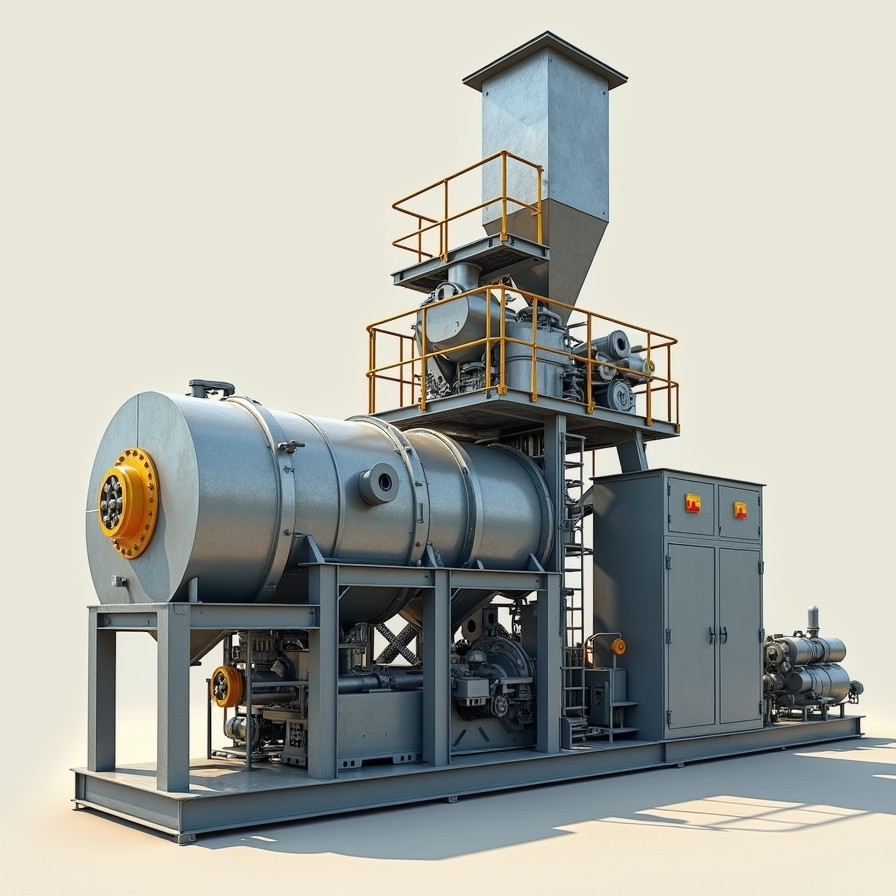
Explore Brand New Auto Rice Mill Full Set-up at Ekra Cargo
What
is a "Big" Rice Mill Machine? What is Capacity?
Let
us begin by defining the term "big." Capacity rules the rice milling
business. Small machines can possibly mill 100-500 kg/hour, but big rice mill
machine generally implies units with milling capacity beginning from 1 ton each
hour (TPH) and up to 10 TPH or more for factory plants.
These
are not simple dehuskers; they are typically whole rice milling systems that
combine a sequence of operations in one, automatic line. One investment in this
kind of machinery is all that is needed to change gears from subsistence
milling to commercial profitability.
Types
of Large Rice Milling Systems
The
type of system is the final price decider of the big rice mill machine. The
three general setups are as follows:
1.
Single Pass Rice Mill Machines
It
is a single-stage machine that takes paddy rice and delivers white polished
rice in a single pass. It integrates a husker, a paddy separator, a whitener,
and an optional polisher all in one compact machine.
Advantages:
-
Floor Space-Saving: Takes up less floor space than a multi-stage system.
-
Easy to Use: Due to compactness, easier to operate with minimal or no manual
intervention.
Advantages
Lower
Up-Front Cost: Cheaper to install than a custom multi-stage plant.
Disadvantages
Lower
Milling Yield: Will have a higher percentage of broken grains than multi-stage
mills.
Less
Flexibility: Less suitable for different types of rice.
Harder
Maintenance: The whole line has to be stopped when a part of it breaks down.
Ideal
For: Small-scale businessmen who wish to establish milling businesses,
medium-scale commercial mills, and large farms who wish to mill their crop
in-house with maximum efficiency.
2.
Multi-Stage Rice Milling Plants
This
is the gold standard for high-volume, high-quality rice milling. It is not a
machine but a line of specialized-purpose machines connected by conveyors and
elevators. Each step—pre-cleaning, dehusking, separating, whitening, polishing,
grading, and sorting—is carried out by a specialized machine.
Advantages:
Highest
Quality Output
Provides
best head rice yield (percentage of whole grains) and better polish.
High
Efficiency & Capacity
Designed
for continuous high-volume operation (2 TPH to 20+ TPH).
Customizable:
You may customize the plant according to your requirement with separate
machines appropriate for the varieties of rice you process.
Cons:
Highest
Investment: The investment for big rice mill machinery for a whole plant is
comparatively higher.
Large
Space Requirement: It needs a separate shed or building.
Complex
Operation: It requires skilled technicians for maintenance and operation.
Ideal
For: Big rice milling businesses, large cooperatives, and industrial food
processing businesses.
Key
Factors That Affect the Big Rice Mill Machine Price
Why
is a certain 2 TPH machine $10,000 and another one $25,000? It all comes down
to these basics:
Capacity
(Tons Per Hour): The most apparent factor, perhaps. A 2 TPH machine will cost
less than a 5 TPH machine from the same manufacturer.
Automation
Level: PLC control panels, touch screens, and auto sorting are on full
automatic machines at the high-end level. Semi-automatic or manual machines are
cheaper but labor-intensive.
Build
Quality and Materials: Machines made of heavy-duty, corrosion-resistant steel
(like SS304) will be more durable and more costly than machines made of mild
steel.
Brand
Reputation: Reputed, established brands with good after-sales services are
costlier and may be worth the assurance.
Functionality
and Components:
Whitening
Method: Rubber roll mills are the norm, but new abrasive or jet-air whitening
systems will affect cost.
Color
Sorter: In-machine color sorter is a very good final quality and cost-saving.
It is usually an optional item.
Dust
Control System: It is a necessity for workers' health and a high-cost item.
After-Sales
Service: Is the price inclusive of an installation, training, and a good
warranty? A slightly less expensive machine with no local service backup will
cost far more when it breaks down.
Product
Recommendations: A Sneak Peek at Top Options
Following
is a sneak preview of product types available in the market currently. (Note:
These are broad examples. You will be positioning your product in relation to
these.)
Option
A: The Low Cost Single Pass Mill (e.g., "Victor Series 1.5 TPH")
Approximate
Price Range: $8,000 - $15,000
Advantages:
Low
investment, pleasant to start with.
Small
size, easy installation.
Good
for regular long-grain rice varieties.
Disadvantages:
Higher
breakage rate on delicate grains (e.g., Basmati).
May
not be equipped with more modern features like a high-precision color sorter.
Construction
durability may not be as long as top-end models.
Option
B: The Balanced Multi-Stage Plant (e.g., "AgriPro 3 TPH Modular
Plant")
Approximate
Price Range: $30,000 - $60,000
Pros:
Optimum
cost-quality of output trade-off.
Easy
to upgrade in the future with modular design.
Higher
head rice recovery translates to more profitability.
Cons:
Large
area and infrastructure requirement.
More
operating skill requirement.
High
capital cost.
Option
C: The Premium Automated Plant (e.g., "Satake Engineering Full Line")
Approximate
Price Range: $80,000 - $200,000+
Advantages:
Unparalleled
efficiency, quality, and automation.
Can
operate 24/7 with very little down time.
Comes
pre-installed with the latest packaging and sorting integration.
Disadvantages:
Very
high capital outlay.
Requires
a team of specialized technicians.
Long
lead times for delivery and installation.
Your
Buying Guide: 5 Steps to the Right Investment
Do
not consider the price of the large rice mill machine in a vacuum. Utilize this
checklist to make an informed purchase decision.
Assess
Your Realistic Needs:
Raw
Material: What kind and how much quantity of paddy do you receive monthly?
Target
Market: Is your target market premium whole grain rice or a generic product?
This also determines the quality of milling required.
Expansion
in Future: Buy a machine that will serve your future growth expectations for
the next 3-5 years.
Set
a Reasonable Budget:
Machine
cost is only part of the investment. Budget for: shed/building, power
connections (usually 3-phase power), installation, and training for the
operator.
Research
and Shortlist Suppliers:
Look
for experienced manufacturers. Request customer references and, where feasible,
visit an installed machine.
Key
Question to Ask: "What is included in the quoted big rice mill machine
price?" (Installation? Training? Warranty? Spare parts?)
Request
a Demo or Trial
Any
interested supplier would be eager to provide a live or video demonstration on
your paddy sample. This is the only method of confirming the machine
performance and final rice quality.
Consider
After-Sales Support:
This is not negotiable. The supplier must be in a position to ensure some warranty, readily available spares, and technical support (remote or on-site). A machine breakdown without support can bring your business to a grinding halt.
We discover that there is a competitive price for a large rice mill machine and that it doesn't have to come at the expense of yield or longevity. Our model is for the serious businessman who insists that profitability lies in high head rice yield and day-in, day-out operation.
How
is the Auto Rice Mill different?
Designed
for High Yield: Our patented mill chamber and soft rubber roll design are
designed for high whole grains, which means instant revenue boost.
Designed
to Last: We incorporate industry-best materials in critical locations to
maximize longevity and reduce maintenance costs, giving you the lowest cost of
ownership.
Intelligent,
Scalable Design: Start with a core system, then just add modules like a
high-end color sorter or automated bagging as your business grows.
Unrivaled
Local Support: Our quote for the large rice mill machinery includes full
installation, operator training, and local dedicated service team to minimize
your downtime.
Conclusion:
Invest in Precision, Reap the Profits
The
path to the correct big rice mill machine price is a journey of discovery:
determining what your business truly needs. By keeping your eyes on what really
matters—capacity, quality, after-sales service, and overall cost of
ownership—you can look beyond sticker shock and make an investment that will
yield dividends for years to come.
Ready
to receive an exact quote individually prepared to meet your unique needs?
Don't let an unclear big rice mill machine price delay your business growth. Contact our milling experts today for a free, no-obligation consultation. We’ll analyze your needs and provide a transparent quotation for a machine that will become the engine of your success.
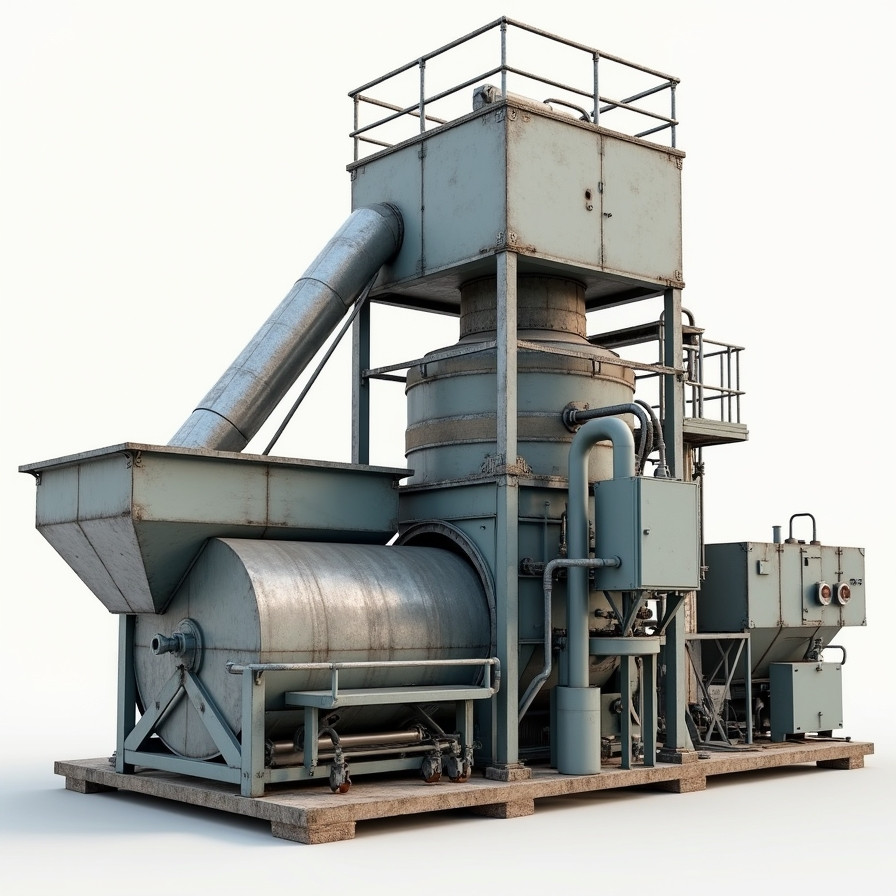
Check the full set-up of Auto Rice Mill
FAQ
Section
Q1:
What is the price of a 2-ton per hour rice mill machine on average?
A:
Anywhere from $15,000 for a basic single-pass machine to over $50,000 for a
sophisticated multi-stage factory. The ultimate cost is based on automation, material,
and features.
Q2:
Is financing available for a machine of this size?
A:
Most reputable suppliers offer financing or can refer you to farm loan
programs. It's always best to ask about this when you inquire.
Q3:
How long does installation of a large rice mill take?
A:
A few days for a single-pass machine. A complete multi-stage plant 2-4 weeks to
install, test, and train the crew.
Q4:
What is most important to look for?
A:
While all the characteristics are desirable, percent Head Rice Yield (HRY) is
the most important. A high HRY harvester will yield more valuable whole grains
from the same quantity of paddy.


Ekracargo.com - Your trusted partner in industrial efficiency, providing a wide range of premium quality spare parts at competitive prices.
Contact Info
- Address: House 54 | Road 14 | Sector 14 | Uttara | Dhaka 1230 | Bangladesh
- Phone: Contact: +8801634736139 (WhatsApp) ,+8801789394669 (WhatsApp)
- Email: info@ekracargo.com