




The Ultimate Guide to a Winch on a Ship: Pulling Power for the High Seas | Best Rates | Buying Guide | Detailed Tips | Maintenance | FAQ |
The Ultimate Guide to a Winch on a Ship: Pulling Power for the High Seas
If you've ever watched a massive cargo ship dock or a sleek sailboat trim its lines, you've witnessed a winch in action. These powerful devices are the unsung heroes of the maritime world, providing the muscle for countless critical tasks. But what exactly is a winch on a ship?
Check our Marine Parts at Ekra Cargo
In simple terms, a winch on a ship is a mechanical
device used to control, tighten, and release ropes, cables, and chains. It
consists of a spool (or drum) that is rotated by a motor (electric, hydraulic,
or manual) to wind a line in or let it out. From anchoring and mooring to cargo
handling and sailing, winches are fundamental to a vessel's operation and
safety.
Whether you're a seasoned captain, a boat owner, or
a curious beginner, this guide will break down everything you need to know
about marine winches.
What is a Winch on a Ship Used For? The Many Jobs of
a Marine Winch
A ship's winch is a versatile tool. Its primary
function is to manage tension on a line, but its applications are vast:
Anchoring: Deploying
and retrieving the anchor and its chain.
Mooring: Securing
the ship to a dock, pier, or another vessel.
Towing: Pulling
another vessel or being pulled in case of an emergency.
Cargo Handling: Loading
and unloading heavy goods and supplies on cargo ships and fishing vessels.
Sail Handling: On
sailboats, winches are used to adjust (trim) the sheets and halyards that control
the sails.
Specialized Operations: Used
for scientific sampling, deploying submersibles, and handling fishing nets.
Anatomy of a Ship Winch: Key Components
While designs vary, most winches share a few core
components:
Drum or Gypsy: The
cylindrical part that the rope or chain wraps around.
Motor: Provides
the power. Can be electric, hydraulic, pneumatic, or human (manual).
Brake: A
crucial safety feature that holds the load in place and prevents the drum from
free-spooling.
Gearbox: Transfers
power from the motor to the drum, often providing a mechanical advantage for
greater pulling power (warping speed).
Frame: The
strong housing that supports all the components and is bolted to the ship's
deck.
Types of Winches on a Ship: Choosing the Right Tool
Not all winches are created equal. The type used
depends entirely on the job.
1. Anchor Winch (Windlass)
This is specifically designed for handling the
anchor chain. A windlass has a wildcat (a
notched wheel that grips the chain links) and a gypsy (a smooth or grooved drum for
rope). It's typically mounted on the bow of the ship.
Best for: Any vessel that
uses an anchor.
2. Mooring Winch
Used for docking and undocking. These winches have a
large drum capacity to hold long, thick mooring lines. They often feature a
automatic tensioning mode to keep lines tight as the ship moves with tides and
waves.
Best for: Commercial ships,
tugboats, large yachts.
3. Capstan
A capstan is a vertical winch that doesn't store the
line on a drum. Instead, crew members wrap the line around it for traction and
then coil it elsewhere. It's perfect for applications where the pulling
direction needs to change frequently.
Best for: Sailboats and
mid-sized vessels for docking and sail handling.
4. Cargo Winch
These are heavy-duty workhorses found on cargo and
research vessels. They are designed for continuous, high-tension work and often
have multiple drums.
Best for: Commercial
fishing, research, and freight operations.
5. Sailboat Winch
A smaller, lightweight, and often manually operated
winch found on sailboats. Sailors use a winch
handle to crank it and generate immense pulling power to
trim sails against the wind.
Best for: Sailboats of all
sizes.
Power Source Showdown: Manual vs. Electric vs.
Hydraulic
|
Feature |
Manual Winch |
Electric Winch |
Hydraulic Winch |
|
Power |
Human strength |
Good to High |
Very High |
|
Cost |
Low |
Moderate |
High |
|
Maintenance |
Simple |
Moderate |
Complex |
|
Best
For |
Small boats, sail trimming |
Most recreational boats, mid-sized vessels |
Large commercial ships, heavy-duty use |
|
Pros |
Cheap, reliable, no power needed |
Powerful, easier to use, versatile |
Extremely powerful, smooth operation, durable |
|
Cons |
Slow, requires physical effort |
Drains battery, can overheat |
Expensive, requires a hydraulic pump system |
Buying Guide: How to Choose the Right Marine Winch
Selecting a winch is a big decision. Here’s what to
consider:
Vessel Size &
Weight: The larger and heavier your boat,
the more powerful your winch needs to be. Manufacturers provide load
ratings—always err on the side of more power.
Primary Use: Are
you mainly anchoring, mooring, or sailing? This will determine the type
(windlass, mooring winch, sail winch).
Line Type & Size: Ensure
the winch’s drum or gypsy is compatible with the diameter and type of your rope
or chain.
Power Source: Consider
your boat’s electrical system. A large electric winch requires robust batteries
and charging systems. Hydraulic systems need a pump and reservoir.
Drum Capacity: The
winch must hold enough line for your needs (e.g., all your anchor rode plus
some extra).
Build Quality: Marine
environments are brutal. Look for corrosion-resistant materials like stainless
steel and anodized aluminum.
Product Recommendations: A Quick Look
1. For the Sailor: Lewmar Ocean Series Winch
Type: Manual
Sail Winch
Pros: Incredibly
reliable, smooth operation, bronze gearing for strength, proven design.
Cons: Premium
price, requires physical effort.
Best For: Mid-sized
to large sailboats.
2. For the Powerboater: Maxwell Freedom Series Windlass
Type: Electric
Anchor Winch (Vertical)
Pros: "Free-fall"
feature for fast anchor deployment, powerful motor, robust construction, good
value.
Cons: Installation
can be complex for DIYers.
Best For: Motor
yachts and powerboats up to 50ft.
3. For the Angler/Workboat: Muir Hydraulic Capstan
Type: Hydraulic
Capstan
Pros: Immense
power, incredibly durable, minimal electrical draw, perfect for heavy mooring
and fishing.
Cons: Requires
a hydraulic system on the boat, highest cost.
Best For: Commercial fishing boats, large workboats, and superyachts.
A Personal Note: Respect the Winch
Early in my sailing days, I underestimated the power
of a loaded winch. While docking in a stiff breeze, a line wrapped incorrectly
(a "riding turn") and jammed under load. The sudden tension and the
sharp crack of the straining
line was a wake-up call. It taught me to always:
Never wrap a winch line
around your hand or body. The force can
easily pull you in.
Wear gloves. Rope
burns are nasty.
Be mindful of loose
clothing that could get caught.
Understand how to clear
a jam safely by easing tension first.
A winch is a fantastic tool, but it demands respect.
Frequently Asked Questions (FAQs)
Q: What is the difference between a winch and a windlass?
A: While the terms are
sometimes used interchangeably, a windlass is
a type of winch specifically designed for vertical retrieval of an anchor and
chain. A general winch is
geared more for horizontal pulling of ropes and cables, like for mooring or
towing.
Q: How often does a marine winch need maintenance?
A: It depends on use,
but a good rule is a light freshwater rinse after every use in saltwater. A
more thorough inspection and service (checking for corrosion, re-greasing
gears) should be done at least once a year.
Q: Can I install a winch myself?
A: For small manual
sail winches, yes, if you're handy. For larger electric or hydraulic anchor
winches, professional installation is highly recommended. It involves drilling
large holes in your deck, running heavy-gauge wiring, and ensuring everything
is sealed and secure against the elements.
Q: What does the term "warping head" mean?
A: A warping head is a
removable drumhead that fits on top of a winch or windlass. It allows you to
use the powerful motor for general-purpose line pulling (like warping the boat
around a dock) instead of just anchoring.
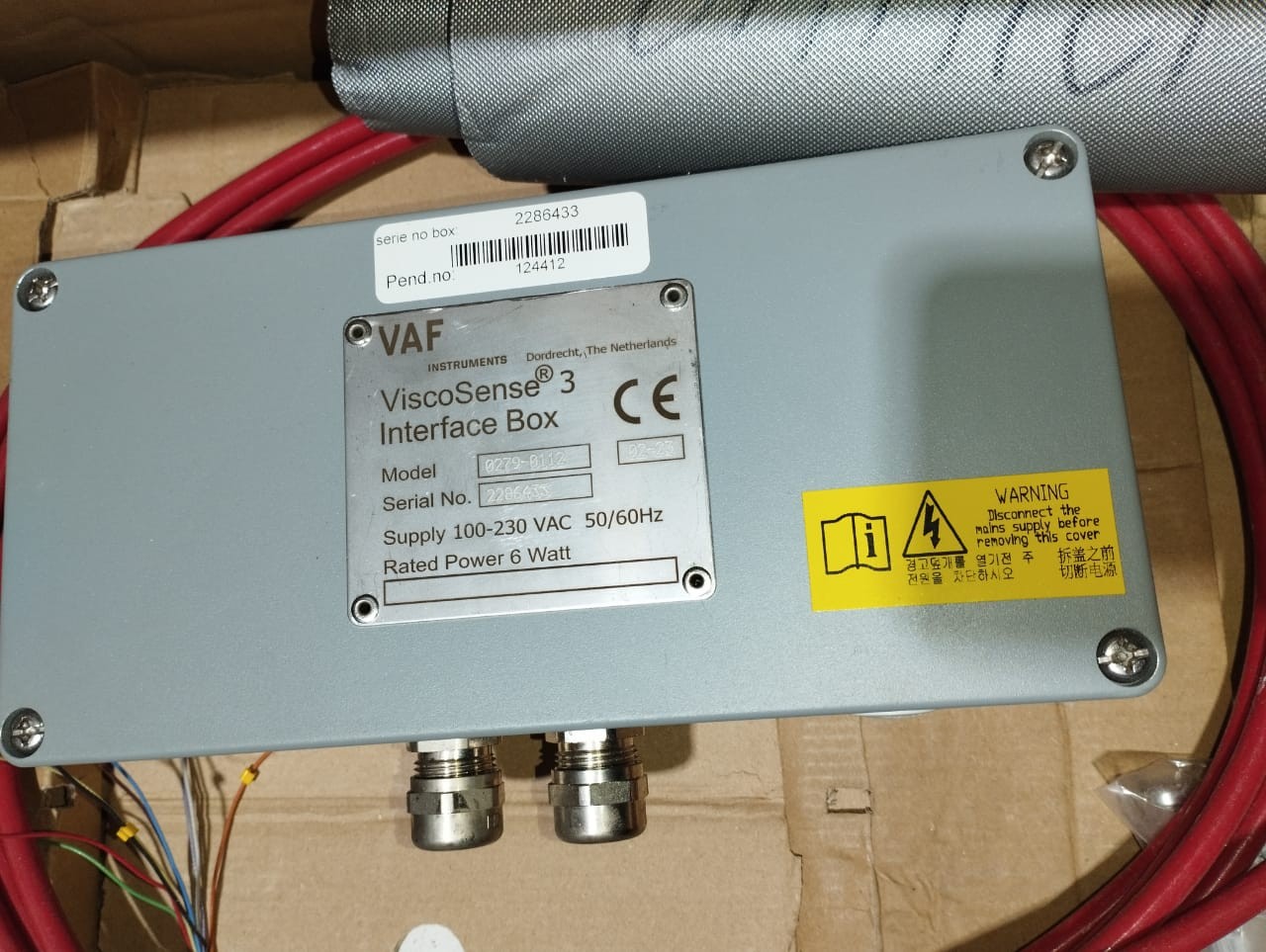
Check some Marine Items at Ekra Cargo
Whether you're dropping anchor in a secluded bay or tying up at a busy port, the right winch makes all the difference. By understanding the types, uses, and features, you can choose the perfect pulling partner for your maritime adventures. Stay safe and fair winds


Ekracargo.com - Your trusted partner in industrial efficiency, providing a wide range of premium quality spare parts at competitive prices.
Contact Info
- Address: House 54 | Road 14 | Sector 14 | Uttara | Dhaka 1230 | Bangladesh
- Phone: Contact: +8801634736139 (WhatsApp) ,+8801789394669 (WhatsApp)
- Email: info@ekracargo.com