




Walkie Talkie Batteries Price Guide Best Deals & Buying Tips | Best Rates | Buying Guide | Detailed Tips | Maintenance | FAQ |
Walkie Talkie Batteries
Price Guide: Best Deals & Buying Tips
Whether you're a security specialist, outdoor adventurer, or managing a team out in the field, walkie talkies only work as long as their batteries. But walkie talkie batteries, you ask, what should they pay? What is the battery? Throwaway or rechargeable?
Today we are going to talk about all you need to know about the price of walkie talkie batteries, right from product choice to battery quality, tips to buy, and a mini FAQs section.
Check the product at Ekra Cargo
Why Battery Choice Is Important
Walkie talkies are becoming used in so many different businesses — construction, events, backpacking, warehouses, and lots more. An expired battery midway through an activity is more than just a pain — it's dangerous or costly.
Key Factors Affected by Batteries:
Talk time & standby time
Device size and weight
Rechargeability
Long-term expense
Walkie Talkie Battery Types
Walkie talkie batteries usually come in three major types:
1. NiMH (Nickel-Metal Hydride)
Price Range: $10 – $30
Advantages: Rechargeable, eco-friendly, bestseller
Disadvantages: Degrade with time when unused
2. Li-ion (Lithium-ion)
Price Range: $15 – $50
Advantages: Lighter in weight, longer battery life, quick charging
Disadvantages: Expensive
3. AA/AAA Alkaline (Disposable)
Price Range: $5 – $15 (per pack)
Pros: Easy to find, does not need to be recharged
Cons: Costly in the long run, not eco-friendly
Walkie Talkie Batteries Price Summary
Here is a quick summary of average prices by type and brand:
Battery Type\tBrand\tEstimated Price\tNotes
NiMH\tMotorola\t$25 – $35\tFor CP200, CLS1110
Li-ion\tBaofeng\t$12 – $25\tFor UV-5R
Li-ion\tKenwood\t$30 – $50\tHigh-end units
Alkaline\tDuracell\t$10 – $15 (8-pack)\tFor general use or emergency purposes
Prices will vary with compatibility, capacity (mAh),
and OEM or aftermarket status.
Product Recommendations
These are some of the top-performing walkie talkie batteries with their pros and cons:
1. Motorola PMNN4476A (NiMH Battery)
Price: ~$28
Most suitable for: Motorola CLS Series
Pros:
Original OEM product
Good capacity (1000 mAh)
Long standby time
Cons:
Heavy compared to Li-ion
Needs to be charged often if not in use
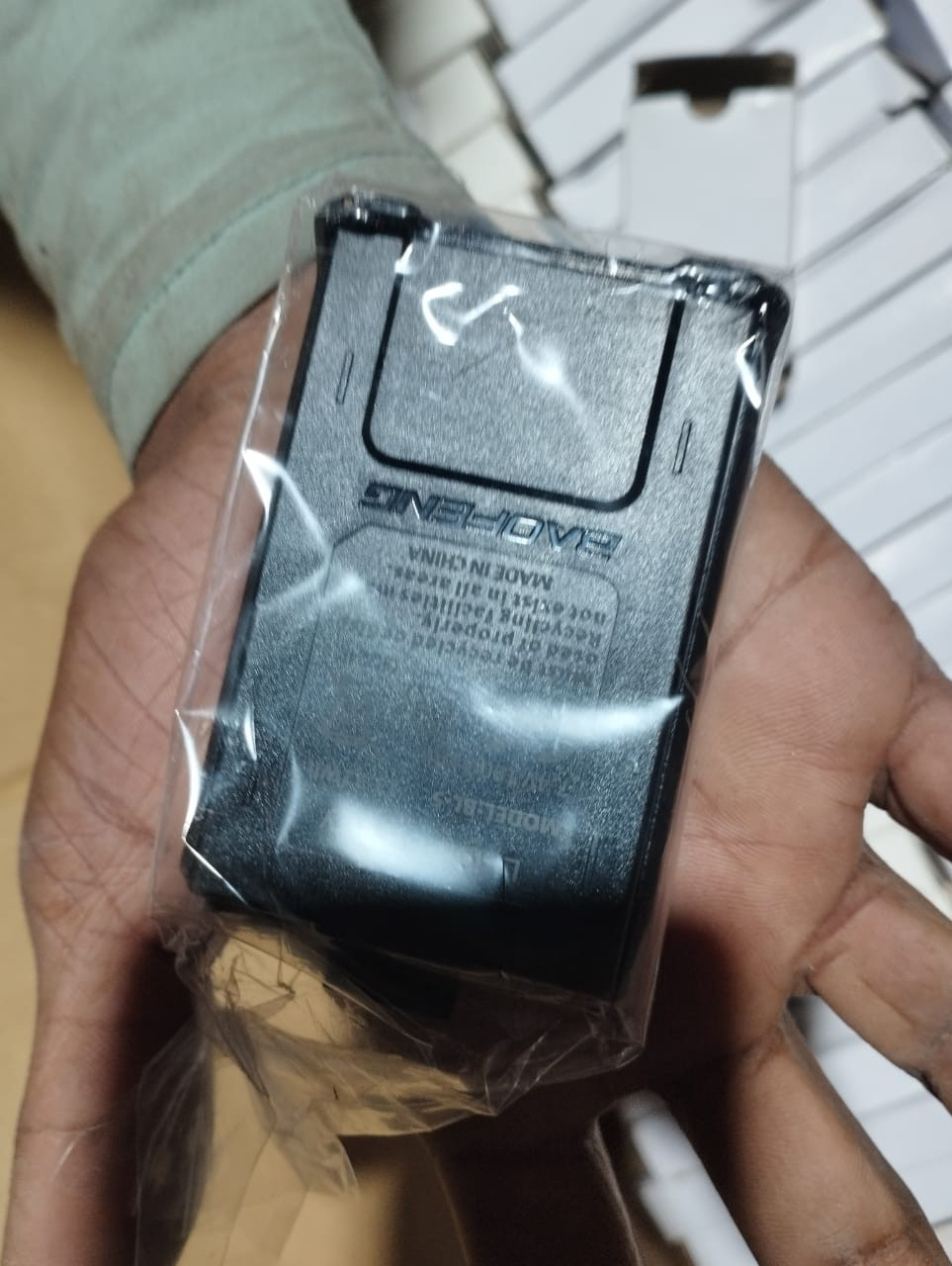
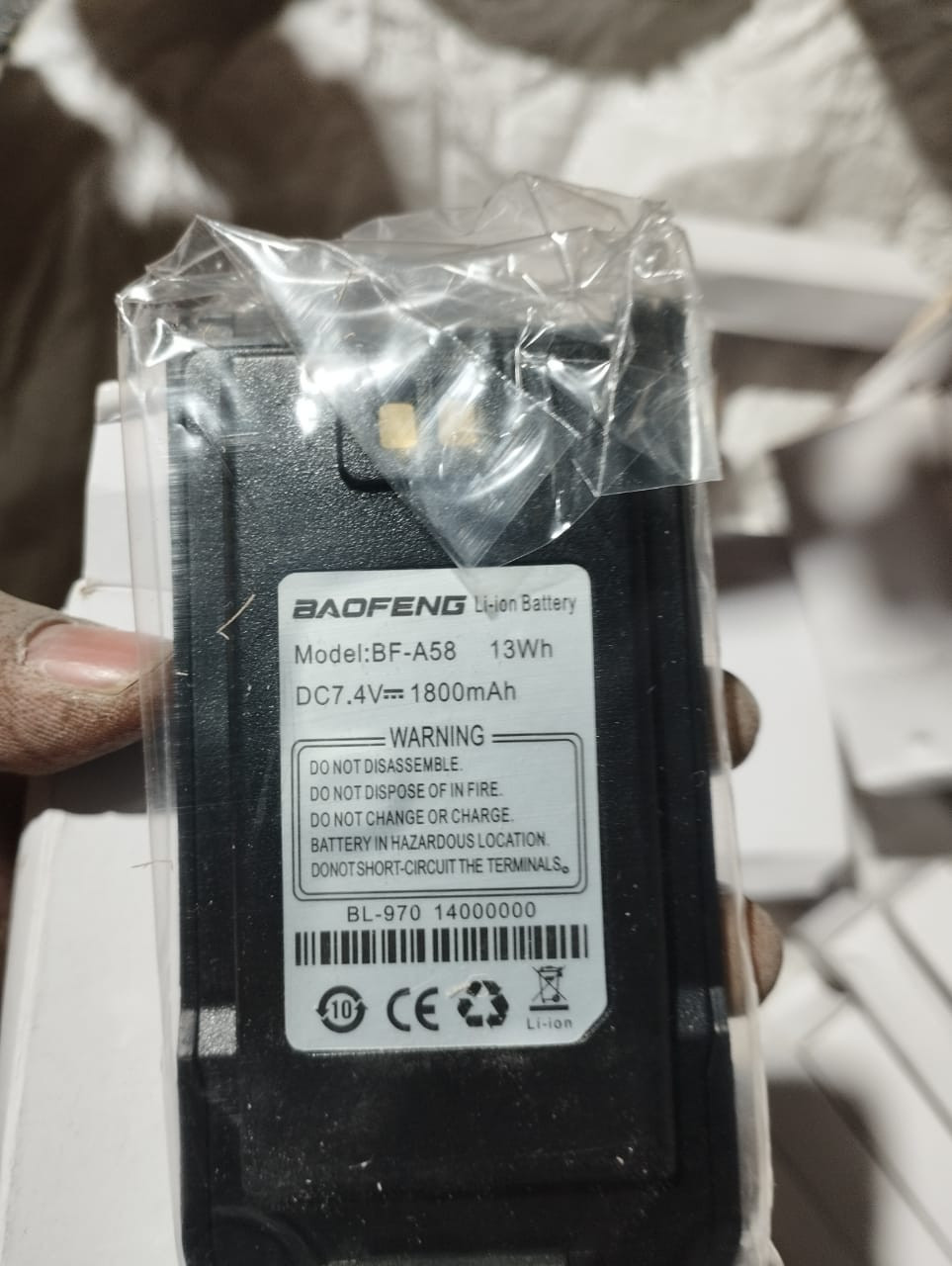
2. Baofeng BL-5 1800mAh Li-ion Battery
Price: ~$18
Most suitable for: Baofeng UV-5R series
Pros:
Light weight
Long battery life
Fast charging time
Cons:
Not compatible with older UV-5R clones
Aftermarket ones may be of varying quality
3. Kenwood KNB-45L Li-ion Battery (2000mAh)
Price: ~$42
Best for: Kenwood TK series
Pros:
High capacity
OEM reliability
Durable design
Cons:
Expensive
Not for other brands
4. AmazonBasics AA Alkaline Batteries (Pack of 20)
Price: ~$12
Best for: Emergency use in walkie talkies that have an AA compatibility
Pros:
Affordable and easy to purchase
Long shelf life
No recharging necessary
Cons:
Cannot be recharged
Generates more waste
Walkie Talkie Battery
Buying Guide
Here's what to remember when purchasing batteries:
1. Compatibility
Always verify your walkie talkie model prior to purchase. Inserting the improper battery can damage your radio or invalidate its warranty.
2. Capacity (mAh)
Greater mAh = increased battery life until
recharging.
Best for use by professionals where all-day communications are necessary.
3. OEM vs. Aftermarket
OEM (Original Equipment Manufacturer): Better quality, better compatibility but more costly.
Aftermarket: Cheap, yet quality is questionable. Read reviews extremely carefully.
4. Rechargeable vs. Disposable
Use rechargeables for frequent usage.
Save disposables for emergency reserve only.
5. Charging Accessories
Make sure that the charger offers support for
battery type and voltage. Some do offer USB compatibility, which is convenient
for when you are out on travel.
Personal Experience: What I Use
Baofeng UV-5R radios with BL-5 Li-ion batteries since I love to camp and hike far in the wilderness. I always carry the following:
2 charged Li-ion batteries
A USB car charger
4 AA batteries as a last resort
This setup has served me better than on one camping
trip without power for days. I also record battery usage to track long-term
performance.
FAQs
Q1: How long do walkie talkie batteries last?
A: Most 8–12 hours of use. Rechargeable ones 2–3 years with proper care.
Q2: Are aftermarket batteries safe?
A: Most are safe, but quality is mixed. Use known brands and read reviews.
Q3: Is it safe to mix battery types?
A: No, it is not safe to swap types of batteries (e.g., Li-ion with NiMH) and could damage your device.
Q4: How do I make my batteries last longer?
A:Switch off unused features like backlight
Charge batteries but don't overcharge them
Switch on battery-saving modes if available
Q5: Is using rechargeable batteries cheaper in the
long run?
A: Definitely. While the initial cost is higher, it pays for itself in 10-20 uses versus constantly having to purchase disposables.
Conclusion
Choosing a fantastic walkie talkie battery makes a
huge performance and cost improvement. Field work, hikes, or working at a
festival – you simply have to spend your money on good, compatible batteries.
Quick Recap:
Rechargeables work best when used regularly.
Purchase for compatibility first.
Li-ion provides the optimum balance of performance to weight.
Take a backup power solution with you wherever you
go.


Ekracargo.com - Your trusted partner in industrial efficiency, providing a wide range of premium quality spare parts at competitive prices.
Contact Info
- Address: House 54 | Road 14 | Sector 14 | Uttara | Dhaka 1230 | Bangladesh
- Phone: Contact: +8801634736139 (WhatsApp) ,+8801789394669 (WhatsApp)
- Email: info@ekracargo.com