



Vehicle Tracking System
Importance of a Vehicle Tracking System for Your Business

Check it Our Physically Product
And Also Check Amazon Price
In today's fast-paced business world, managing a fleet of vehicles effectively is essential to ensure that operations run smoothly and efficiently. Whether you own a small delivery service, a large logistics company, or a transportation business, having a Vehicle Tracking System can be a game-changer. This system helps businesses track and monitor their vehicles in real time, providing valuable insights into fleet management, driver behavior, and operational efficiency. In this article, we’ll explore the key features, benefits, and reasons why a Vehicle Tracking System is crucial for your business.
What is a Vehicle Tracking System?
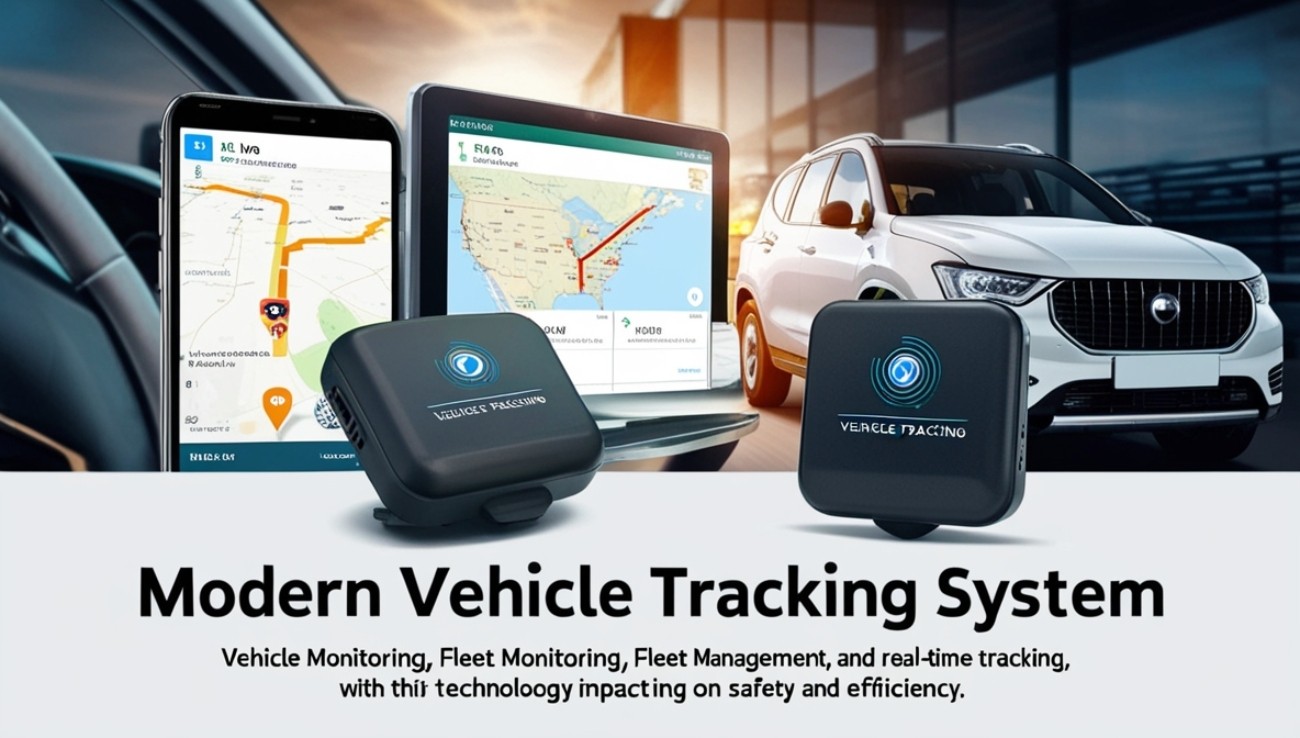
A Vehicle Tracking System is a technology solution that uses GPS (Global Positioning System) or other tracking technologies to monitor the location, movement, and behavior of vehicles in real-time. The system collects data through a GPS device installed in the vehicle and transmits this information to a central platform, which can be accessed via a smartphone, tablet, or computer. The system allows fleet managers to track vehicles, analyze driver performance, monitor fuel consumption, and ensure timely deliveries, among other tasks.
The Vehicle Tracking System is often used by companies that operate a fleet of vehicles for logistics, delivery services, public transportation, and other industries where fleet management plays a vital role in ensuring business success.
Key Features of a Vehicle Tracking System
A good Vehicle Tracking System comes with a wide range of features that can help businesses monitor their vehicles more efficiently. Here are some key features you should expect:
1. Real-Time Vehicle Location Tracking
One of the core features of a Vehicle Tracking System is real-time tracking. The system allows fleet managers to see the exact location of each vehicle in their fleet, at any given time. This feature provides a wealth of information, such as which vehicle is closest to a delivery point, the speed at which the vehicle is traveling, and the current status of the vehicle.
2. Geofencing
Geofencing allows you to set virtual boundaries around specific locations, such as warehouses, job sites, or customer locations. When a vehicle enters or exits the designated area, the system sends an alert to the fleet manager. This is useful for ensuring that drivers are following their planned routes, and it can also be used for security purposes.
3. Driver Behavior Monitoring
A Vehicle Tracking System is not only about tracking vehicles; it also provides insights into driver behavior. Fleet managers can monitor driver habits such as speeding, harsh braking, rapid acceleration, and idling. By analyzing this data, businesses can identify areas for improvement, provide driver training, and ultimately reduce fuel consumption and accidents.
4. Fuel Monitoring
Fuel consumption is one of the largest expenses for companies operating fleets. A Vehicle Tracking System can monitor fuel levels and usage in real-time, allowing fleet managers to detect fuel theft, inefficient driving habits, or discrepancies in fuel consumption. By analyzing this data, businesses can take action to reduce fuel costs and improve overall fleet efficiency.
5. Maintenance Alerts
Keeping vehicles in good condition is essential for minimizing downtime and repair costs. A Vehicle Tracking System can be integrated with vehicle maintenance schedules, providing alerts when it’s time for regular maintenance or when a vehicle is due for servicing. This proactive approach helps prevent unexpected breakdowns and extends the lifespan of your vehicles.
6. Route Optimization
A Vehicle Tracking System can also help with route optimization. By analyzing traffic patterns, weather conditions, and other factors, the system can suggest the most efficient routes for drivers. This leads to reduced travel time, lower fuel consumption, and more timely deliveries, improving both customer satisfaction and business profitability.
Benefits of a Vehicle Tracking System
Now that we’ve explored the features of a Vehicle Tracking System, let’s take a closer look at the benefits that these systems can bring to your business:
1. Improved Fleet Efficiency
The primary benefit of a Vehicle Tracking System is the ability to optimize fleet efficiency. By tracking vehicle locations, driver behavior, and fuel usage, businesses can identify inefficiencies and take steps to improve them. With route optimization, real-time tracking, and accurate maintenance schedules, companies can ensure that their vehicles are operating at peak efficiency.
2. Cost Savings
A Vehicle Tracking System can help reduce operational costs in several ways. First, by monitoring fuel consumption and encouraging efficient driving, businesses can save on fuel costs. Second, the ability to optimize routes means less time spent on the road, which translates into lower fuel expenses and less wear and tear on vehicles. Finally, monitoring driver behavior can help prevent accidents and reduce insurance premiums.
3. Enhanced Security
Security is another key benefit of a Vehicle Tracking System. In case of theft or unauthorized use, fleet managers can quickly locate and recover stolen vehicles. Geofencing also adds an additional layer of security by alerting managers if vehicles deviate from their planned routes or enter restricted areas. Additionally, real-time tracking ensures that vehicles are always under supervision, reducing the risk of theft or vandalism.
4. Better Customer Service
Timely deliveries are crucial for customer satisfaction, especially in industries like logistics and delivery. A Vehicle Tracking System helps ensure that drivers are taking the most efficient routes and are on track to meet delivery deadlines. Real-time tracking allows businesses to provide customers with accurate delivery times, enhancing the customer experience and building trust.
5. Regulatory Compliance
For companies operating in regulated industries, a Vehicle Tracking System can help ensure compliance with laws and regulations regarding driver hours, speed limits, and vehicle maintenance. By monitoring driver behavior and keeping track of service schedules, businesses can avoid fines and penalties while promoting a safer working environment for drivers.
6. Increased Productivity
By eliminating inefficiencies in routing, reducing idle time, and monitoring driver performance, a Vehicle Tracking System helps improve overall productivity. With a more efficient fleet, businesses can complete more deliveries or transport more goods in less time, ultimately boosting profits.
Applications of a Vehicle Tracking System
The benefits and features of a Vehicle Tracking System can be applied to various industries and sectors. Here are some examples of how different businesses can use these systems:
1. Delivery and Logistics Companies
For businesses that rely on deliveries, a Vehicle Tracking System is invaluable. It helps ensure timely deliveries, improves route planning, and allows fleet managers to track packages in real-time, providing customers with updates and improving service quality.
2. Public Transport Services
Public transportation companies can use Vehicle Tracking Systems to monitor buses, taxis, or other vehicles in real time. This helps ensure the safety and efficiency of services, while also allowing passengers to track vehicle locations and expected arrival times.
3. Construction and Heavy Equipment
Construction companies that operate heavy equipment or vehicles can benefit from vehicle tracking by ensuring that equipment is being used efficiently and is well-maintained. It also helps with security, reducing the risk of theft of expensive equipment.
4. Fleet Management for Businesses
Whether you’re a small business with a few vehicles or a large corporation with an extensive fleet, a Vehicle Tracking System is essential for efficient fleet management. It allows businesses to stay organized, reduce costs, and improve service delivery.
Conclusion
In today’s competitive business environment, a Vehicle Tracking System is no longer just a luxury—it’s a necessity. By offering real-time tracking, route optimization, driver behavior monitoring, and improved security, these systems provide businesses with the tools they need to increase efficiency, reduce costs, and improve customer satisfaction. Whether you’re in logistics, transportation, or any industry that relies on vehicles, investing in a Vehicle Tracking System can significantly enhance your operations and give your business a competitive edge.

Ekracargo.com - Your trusted partner in industrial efficiency, providing a wide range of premium quality spare parts at competitive prices.
Contact Info
- Address: House 54 | Road 14 | Sector 14 | Uttara | Dhaka 1230 | Bangladesh
- Phone: Contact: +8801634736139 (WhatsApp) ,+8801789394669 (WhatsApp)
- Email: info@ekracargo.com