




Unlocking Precision in Analysis: A Deep Dive into the Modern UV and Visible Spectrophotometer
In the intricate world of scientific discovery and quality assurance, the ability to see the unseen—to quantify the molecular composition of a substance—is fundamental. This capability lies at the heart of countless breakthroughs, from developing new pharmaceuticals to ensuring the safety of our water supply. Central to this analytical power is a workhorse instrument found in virtually every laboratory: the UV and visible spectrophotometer. This technology, built on well-established principles of light-matter interaction, continues to evolve, offering greater precision, simplicity, and reliability. Understanding its operation and applications is key to leveraging its full potential in any scientific setting.
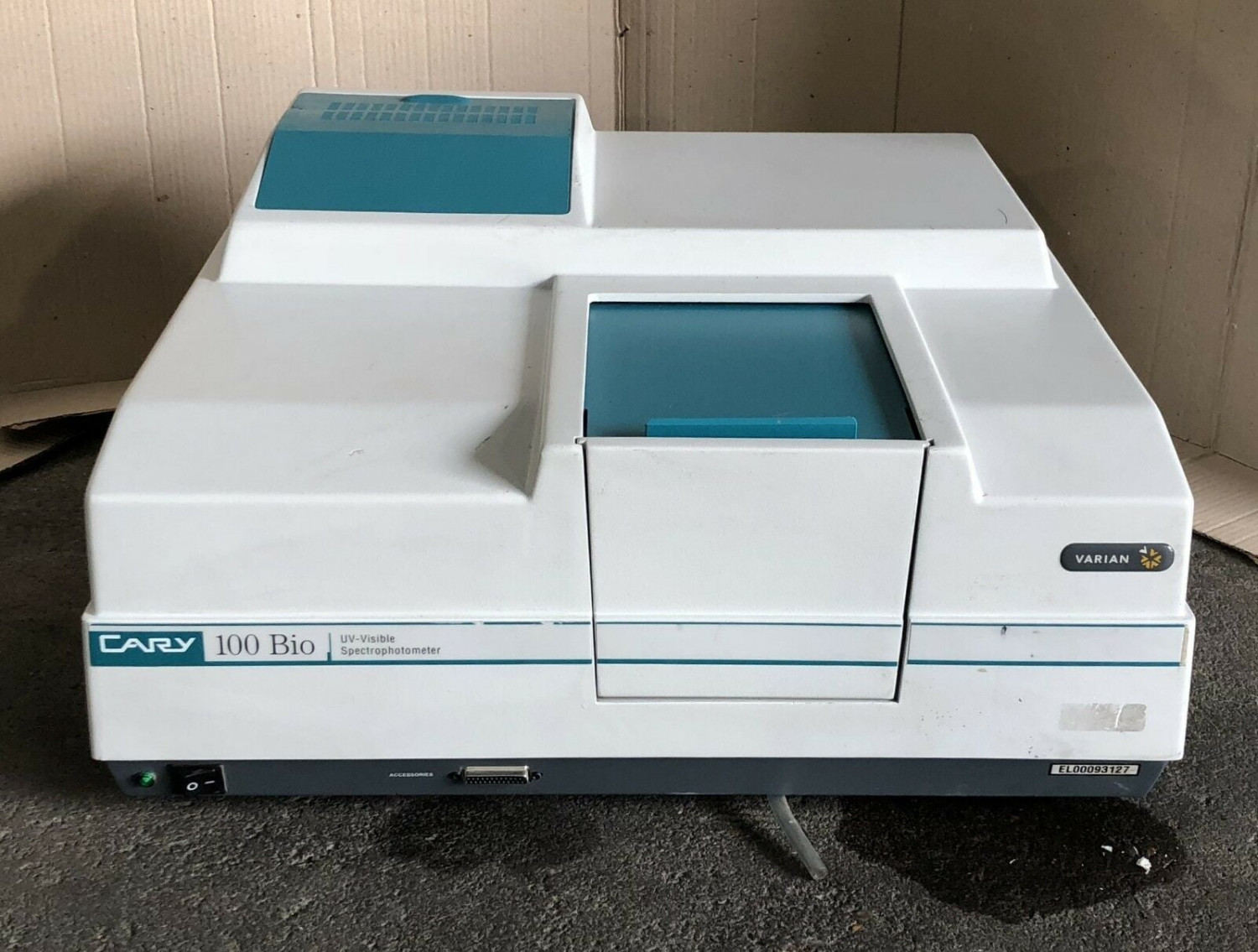
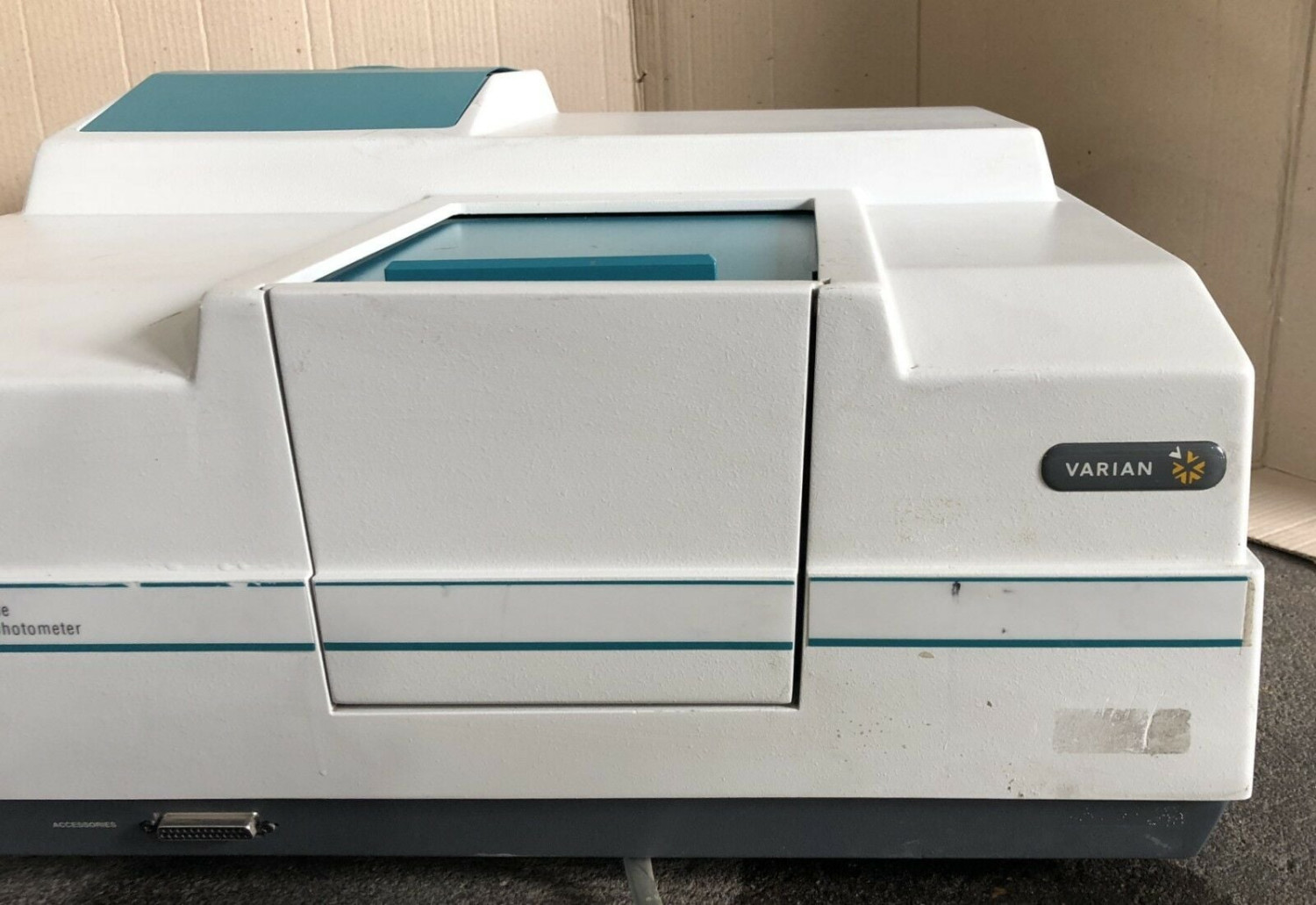
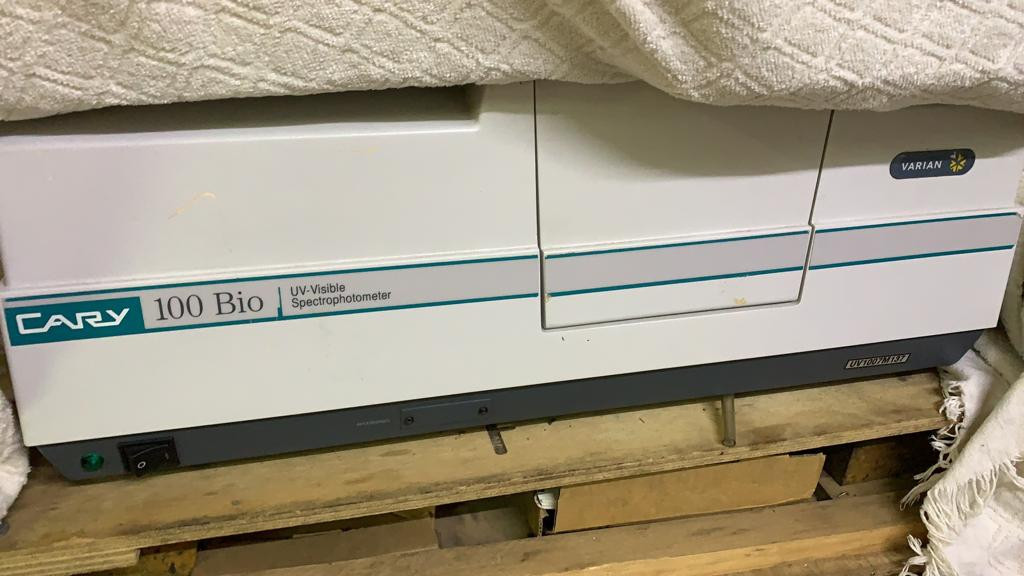
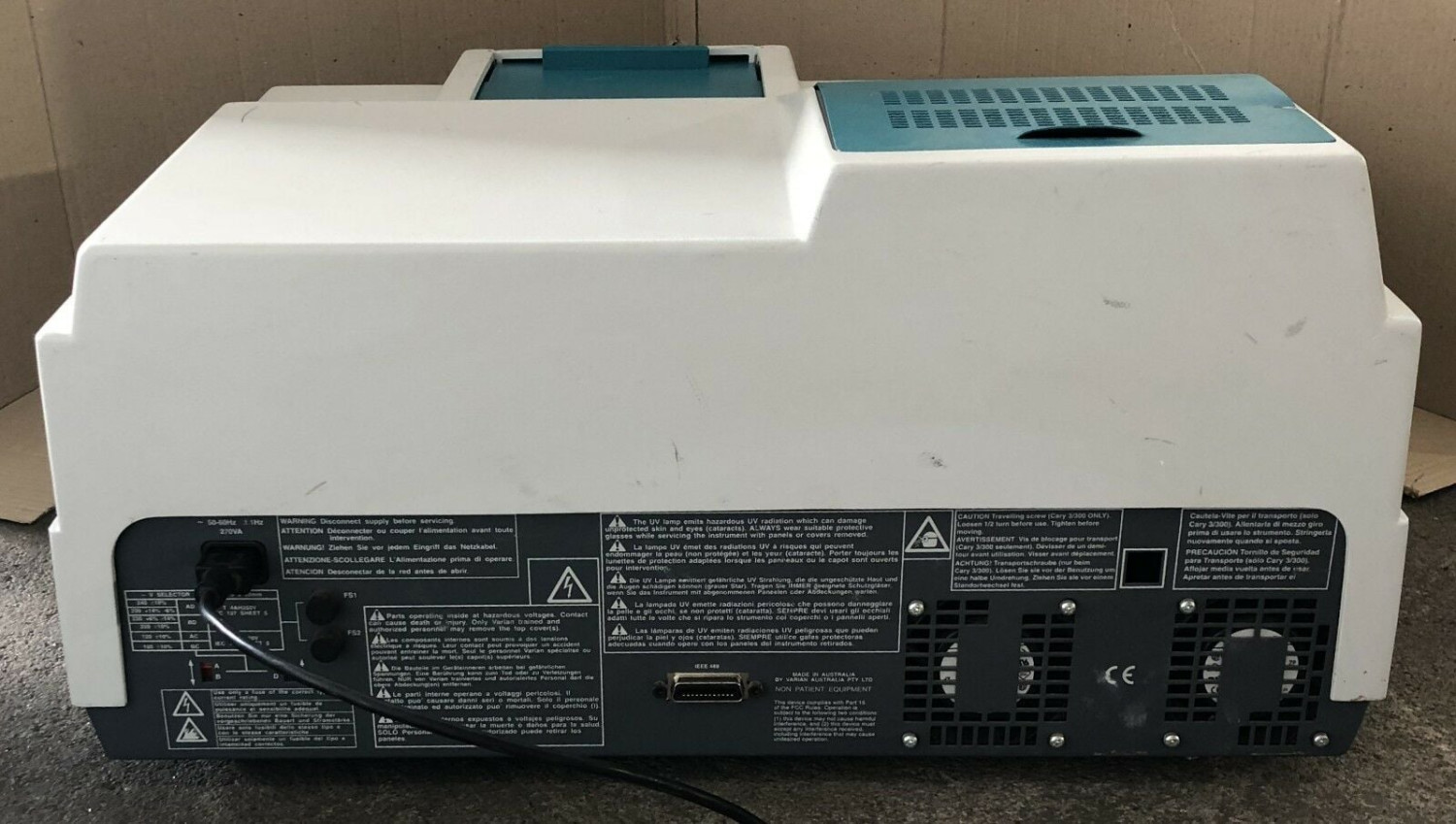
Explore the Cary UV1007M137 Spectrophotometer
The Foundational Principles: How Light Reveals
Molecular Secrets
At its core, a
spectrophotometer operates on a beautifully simple concept: molecules absorb
specific wavelengths of light. When a beam of light passes through a sample,
certain wavelengths are absorbed by the molecules present, while others are
transmitted. A UV and visible spectrophotometer is
specifically designed to probe this interaction across the ultraviolet
(typically 190-400 nm) and visible (400-700 nm) regions of the electromagnetic
spectrum.
The instrument
measures the intensity of light before and after it passes through the sample,
calculating the absorbance. This absorbance value, governed by the Beer-Lambert
Law, is directly proportional to the concentration of the absorbing species and
the path length through which the light travels. This simple yet powerful
relationship is what allows scientists to determine the concentration of a
unknown sample with remarkable accuracy, making quantitative analysis both
efficient and highly reliable.
Key Components and Configurations: What Makes a
Spectrophotometer Tick?
To achieve this,
every spectrophotometer consists of several key components:
1. Light Source: Provides the broad-spectrum light
necessary for analysis. A deuterium lamp is typically used for the UV range,
while a tungsten or halogen lamp covers the visible spectrum.
2. Monochromator: This critical component acts like
a sophisticated filter, isolating a single, precise wavelength from the broad
output of the light source. It typically consists of a diffraction grating that
disperses the light, allowing a specific wavelength to be selected and directed
toward the sample.
3. Sample Holder: A compartment designed to securely
hold cuvettes or sample cells, ensuring the light path through the sample is
consistent and reproducible.
4. Detector: This is the "eye" of the
instrument. It converts the transmitted light energy into an electrical signal,
which is then processed by the instrument's software to calculate and display
absorbance or transmittance values.
The
configuration of these components, particularly the optical layout, is crucial.
Instruments can be single or double beam. Double-beam designs, where the light
is split into a sample path and a reference path, offer superior stability by automatically
compensating for fluctuations in the light source intensity, leading to more
stable baselines and higher accuracy over long periods.
A Spectrum of Applications: Where is UV-Vis
Spectroscopy Used?
The versatility
of UV-Vis spectroscopy is one of its greatest strengths. Its applications span
across numerous industries and scientific disciplines:
·
Pharmaceuticals: Determining the concentration and purity of active
pharmaceutical ingredients (APIs), studying reaction kinetics in drug
development, and ensuring quality control in final products.
·
Life Sciences: Quantifying nucleic acids (DNA/RNA) and proteins, which is
a routine and essential procedure in molecular biology, genetics, and
biochemistry labs.
·
Environmental Monitoring: Analyzing water and air samples for pollutants,
such as detecting concentrations of nitrates, phosphates, and heavy metals.
·
Food and Beverage: Ensuring product quality by measuring color additives,
assessing nutrient levels, and detecting contaminants.
·
Academic Research: Serving as a fundamental tool in chemistry, biology, and
physics education and research for characterizing new compounds and
understanding chemical reactions.
Introducing the Cary UV1007M137: Engineered for
Modern Laboratory Demands
While the
principles are universal, the implementation makes all the difference. Modern
laboratories require instruments that are not only accurate but also robust,
user-friendly, and adaptable. The Cary UV1007M137 model embodies this modern
approach to analytical instrumentation.
This
specific UV and visible spectrophotometer is
designed to deliver high-performance results without unnecessary complexity. It
features a wide wavelength range that covers the essential UV and visible
spectra, making it suitable for the vast majority of applications a laboratory
might encounter. Its design prioritizes photometric accuracy and stability,
ensuring that measurements are both precise and reproducible, run after run.
Key operational
benefits often include an intuitive software interface that guides users
through method setup, data collection, and analysis, significantly reducing the
potential for user error and training time. The rugged construction of such a
model ensures it can withstand the demands of a busy shared environment, from a
university teaching lab to a rigorous industrial quality control setting.
Choosing the Right Instrument for Your
Laboratory
Selecting a
spectrophotometer is a significant decision. Beyond the initial specifications,
consider the long-term needs of your facility. How user-friendly is the
software? What is the instrument's reputation for reliability and durability?
What kind of service and support is available? The Cary UV1007M137 represents a
category of instrument that balances performance with practicality, making it
an excellent candidate for labs seeking to enhance their analytical
capabilities with a dependable and versatile tool.
Conclusion: Investing in Analytical Confidence
The journey of
scientific inquiry is built on a foundation of reliable data. A high-quality UV
and visible spectrophotometer is more than just a piece of equipment; it is a
partner in that journey, providing the confidence that your quantitative
results are accurate and meaningful. By understanding the technology and
choosing an instrument designed for modern challenges, you empower your
laboratory to achieve new levels of precision and efficiency.
Ready to
see the difference a modern spectrophotometer can make in your research or
quality control processes?


Ekracargo.com - Your trusted partner in industrial efficiency, providing a wide range of premium quality spare parts at competitive prices.
Contact Info
- Address: House 54 | Road 14 | Sector 14 | Uttara | Dhaka 1230 | Bangladesh
- Phone: Contact: +8801634736139 (WhatsApp) ,+8801789394669 (WhatsApp)
- Email: info@ekracargo.com