



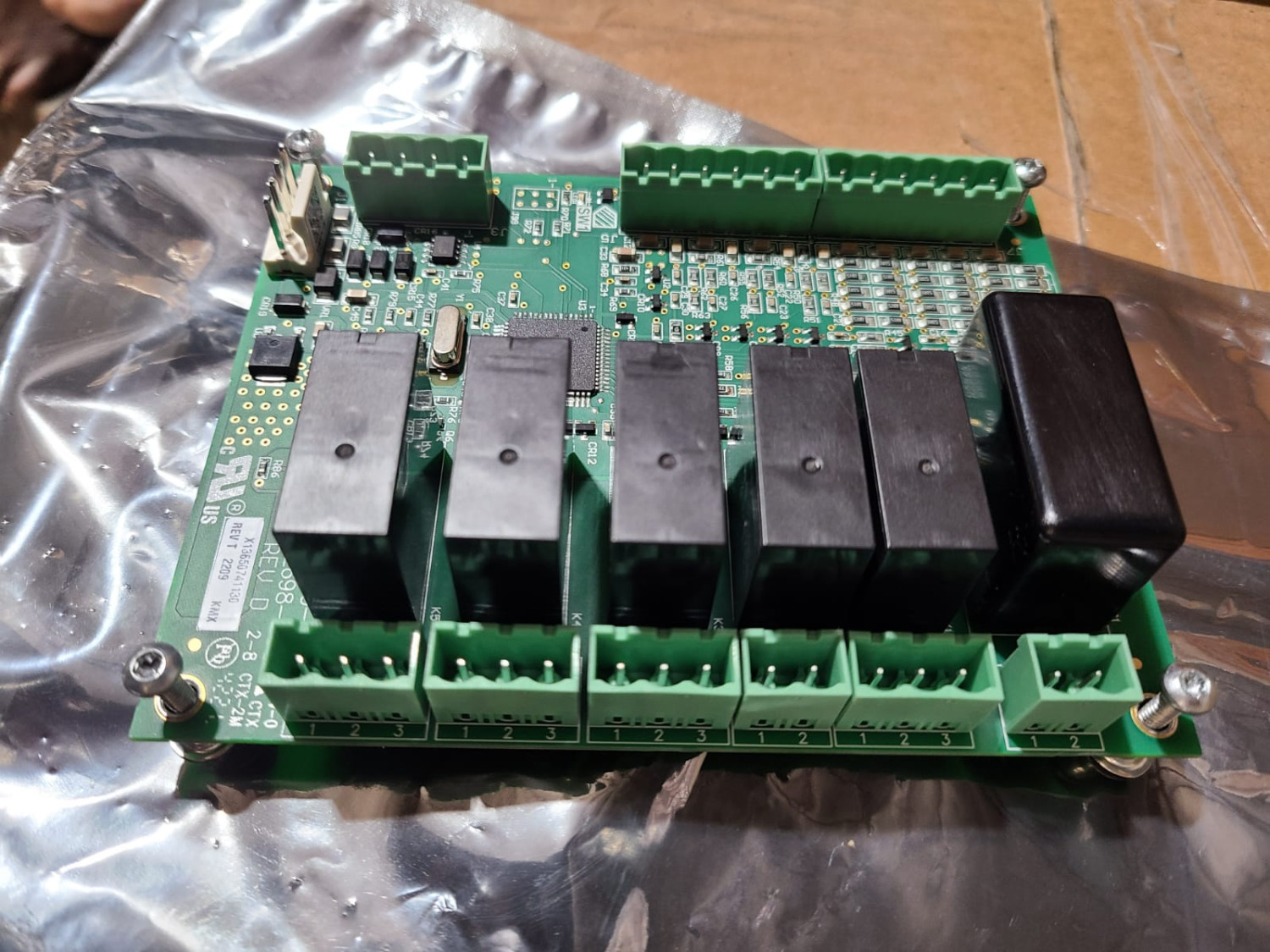
TRANE CTX 2M HVAC Control Board A Complete Guide | Manual | FAQ |
TRANE CTX 2M HVAC Control Board: A Complete Guide
If your TRANE HVAC system is acting up, the problem might be the control board. The TRANE CTX 2M HVAC Control Board is a crucial component that manages your system’s operations. In this guide, we’ll cover everything you need to know—from how it works to troubleshooting, replacement tips, and where to buy a reliable one.
What Is the TRANE CTX 2M Control Board?
Check this product at Ekra Cargo...
The TRANE CTX 2M is a control board used in various TRANE HVAC systems. It acts as the "brain" of your unit, regulating functions like:
Fan speed control
Thermostat communication
Compressor and blower operation
Safety checks (overheating, short circuits)
If your system isn’t turning on, blowing cold air, or showing error codes, a faulty control board could be the culprit.
Signs of a Failing TRANE CTX 2M Control Board
How do you know if your control board is bad? Watch for these symptoms:
✅ HVAC system won’t turn on – No power or response from the unit.
✅ Inconsistent cooling/heating – System turns on and off randomly.
✅ Error codes or blinking lights – Check your manual for specific codes.
✅ Burnt or damaged components – Visible burns, melted areas, or corrosion.
✅ Fan runs continuously – Board fails to regulate fan speed.
If you notice these issues, testing or replacing the control board may be necessary.
How to Test the TRANE CTX 2M Control Board
Before replacing the board, confirm it’s the real problem. Here’s how:
Turn off power – Shut off electricity at the breaker.
Inspect visually – Look for burnt marks, swollen capacitors, or loose connections.
Check voltage – Use a multimeter to test input/output voltages (refer to the manual).
Test components – Ensure relays and capacitors function properly.
If the board fails these tests, it’s time for a replacement.
TRANE CTX 2M Replacement Guide
Replacing the control board is a moderate DIY project if you’re comfortable with electrical work. Here’s a step-by-step guide:
Tools You’ll Need:
Screwdriver set
Multimeter
Wire strippers (if reconnecting wires)
Anti-static wrist strap (recommended)
Steps to Replace the Board:
Turn off power – Safety first! Cut power to the HVAC unit.
Locate the control board – Usually inside the furnace or air handler.
Take pictures – Document wire connections before disassembly.
Disconnect wires – Carefully remove each wire, labeling them if needed.
Remove old board – Unscrew and gently pull it out.
Install new board – Secure it in place and reconnect all wires.
Restore power & test – Turn the system back on and check operation.
⚠️ Pro Tip: If you’re unsure, hire an HVAC technician to avoid electrical hazards.
Best Replacement Options for TRANE CTX 2M Control Board
Not all replacement boards are equal. Here are the best options:
1. OEM TRANE CTX 2M Board
✔ Pros:
Direct factory replacement
Guaranteed compatibility
Reliable performance
❌ Cons:
Expensive (400)
May require professional installation
2. Aftermarket Universal Boards
✔ Pros:
More affordable (200)
Some come with warranties
❌ Cons:
May need wiring adjustments
Quality varies by brand
3. Refurbished/Used Boards
✔ Pros:
Budget-friendly (150)
❌ Cons:
No warranty in most cases
Higher risk of failure
Recommended Retailers:
SupplyHouse.com (OEM parts)
Amazon (aftermarket options)
eBay (used/refurbished)
Buying Guide: How to Choose the Right Control Board
Picking the correct replacement is crucial. Follow these tips:
? Match the model number – Check your old board for exact part numbers.
? Verify compatibility – Cross-reference with your HVAC unit’s manual.
? Check warranty – OEM boards often have better coverage.
? Read reviews – Look for feedback on reliability and ease of installation.
Personal Experience: Replacing My TRANE CTX 2M Board
Last summer, my TRANE unit stopped cooling. After checking the thermostat and filters, I suspected the control board. A quick inspection revealed a burnt resistor.
I opted for an OEM replacement from SupplyHouse. Installation took about 30 minutes, and the system worked perfectly afterward. The peace of mind was worth the extra cost!
FAQs About TRANE CTX 2M Control Board
1. Can I repair the TRANE CTX 2M board instead of replacing it?
Sometimes, if the issue is minor (like a blown fuse or loose connection). However, most failures require a full replacement.
2. How long does a control board last?
Typically 10-15 years, but power surges or moisture can shorten its lifespan.
3. What causes a control board to fail?
Common reasons:
Electrical surges
Moisture or corrosion
Overheating
Manufacturing defects
4. Can I install the board myself?
If you have electrical experience, yes. Otherwise, hire an HVAC pro.
5. Where can I find the model number?
Check the board itself or your HVAC unit’s manual.
Final Thoughts
The TRANE CTX 2M HVAC Control Board is essential for smooth system operation. If yours fails, replacing it can restore your HVAC’s performance. Whether you choose OEM, aftermarket, or refurbished, ensure compatibility and safety.
Need help? Consult an HVAC technician for a stress-free fix!


Ekracargo.com - Your trusted partner in industrial efficiency, providing a wide range of premium quality spare parts at competitive prices.
Contact Info
- Address: House 54 | Road 14 | Sector 14 | Uttara | Dhaka 1230 | Bangladesh
- Phone: Contact: +8801634736139,+8801789394669 (WhatsApp)
- Email: info@ekracargo.com