

The Ultimate Guide to Thyratron Tubes: History, Uses, and Best Picks | Best Rates | Buying Guide | Detailed Tips | Maintenance | FAQ |
The Ultimate Guide to Thyratron Tubes: History, Uses, and Best Picks
Introduction
Thyratron tubes may seem like relics from the past, but they still hold significant value in specialized applications. These gas-filled tubes were once the backbone of high-power switching, radar systems, and early computing. Today, they are prized by hobbyists, collectors, and engineers working with high-voltage equipment.
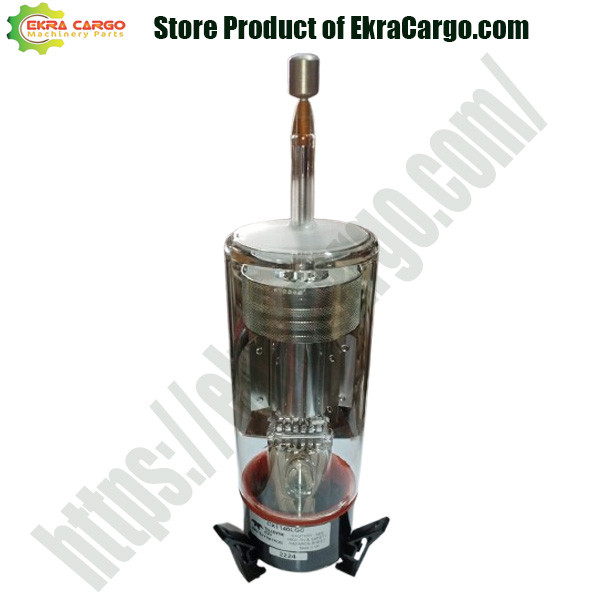
Check the product at Ekra Cargo
In this comprehensive guide, we’ll explore:
·
What a thyratron tube is and how it works
·
Key applications (past and present)
·
Top thyratron tube models with pros and cons
·
A buying guide to help you choose the right one
·
Where to buy thyratron tubes
Whether you're restoring vintage electronics or
working on a high-voltage project, this guide will help you make an informed
decision.
What Is a Thyratron Tube?
A thyratron is a gas-filled tube that functions
as a high-power electronic switch. Unlike vacuum tubes, thyratrons contain a small amount of gas
(such as hydrogen, mercury vapor, or xenon), which ionizes to allow current flow
once triggered.
How Does a Thyratron Work?
1.
Triggering: A small voltage applied to the grid initiates ionization.
2.
Conduction: Once the gas ionizes, current flows between the anode and
cathode.
3.
Extinction: The tube stops conducting only when the voltage drops
below a certain threshold.
Thyratrons were widely used in:
·
Radar systems (WWII-era)
·
Industrial power control
·
Early computers and pulse generators
·
Medical X-ray machines
Modern Uses of Thyratron Tubes
While largely replaced by semiconductors like SCRs (Silicon Controlled Rectifiers) and IGBTs, thyratrons are still used in:
·
High-power pulse
applications (lasers, particle accelerators)
·
Vintage electronics
restoration (radio enthusiasts, collectors)
·
Specialized
industrial equipment where fast
switching is needed
Top Thyratron Tube Models – Pros & Cons
Here are some of the most popular thyratron tubes
available today:
1. 2D21 Thyratron Tube
·
Pros:
o Reliable switching for medium-power applications
o Commonly available from surplus sellers
o Used in vintage test equipment
·
Cons:
o Limited lifespan compared to modern alternatives
o Requires proper handling (gas can degrade over time)
Best for: Hobbyists restoring old radio equipment.
2. 3C23 Hydrogen Thyratron
·
Pros:
o Fast switching speed (ideal for pulse applications)
o High peak current handling
o Long operational life if properly maintained
·
Cons:
o Expensive compared to other models
o Requires precise triggering voltage
Best for: High-voltage experiments and pulse generators.
3. 5C22 Mercury Vapor Thyratron
·
Pros:
o Handles very high currents
o Stable operation in industrial settings
·
Cons:
o Contains mercury (environmental concerns)
o Requires warm-up time
Best for: Industrial power control applications.
Thyratron Tube Buying Guide
Before purchasing a thyratron tube, consider these
factors:
1. Gas Type
·
Hydrogen (3C23): Fast switching, ideal for pulses.
·
Mercury vapor
(5C22): High current, but toxic.
·
Xenon/Neon: Used in lighting and specialty applications.
2. Voltage & Current Ratings
·
Check the anode voltage and peak current specifications.
·
Ensure compatibility with your circuit.
3. New vs. Used
·
New old stock (NOS): Unused but may need testing.
·
Used: Cheaper but may have degraded gas.
4. Seller Reputation
Buy from trusted suppliers like:
·
Surplus dealers (eBay, specialized electronics stores)
·
Vintage electronics
forums (trusted community sellers)
Where to Buy Thyratron Tubes
Looking for reliable sources? Here are some options:
·
eBay (wide selection, but verify seller ratings)
·
Surplus Electronics
Stores (Fair Radio Sales, ESRC Vacuum Tubes)
·
Specialty Forums (Antique Radio Forums, Ham Radio groups)
For those looking for brand-new alternatives,
consider:
· Solid-state replacements (SCRs, IGBTs) for modern projects.

Check product at Ekra Cargo
Conclusion
Thyratron tubes are fascinating pieces of
electronics history that still serve niche applications today. Whether you're a
collector, hobbyist, or engineer, choosing the right thyratron depends on your
specific needs—whether it's for high-power
switching, vintage restorations, or pulse applications.
By following this guide, you can confidently select the best thyratron tube for your project. Looking for high-quality thyratron tubes? Check out our store for tested and reliable models!


Ekracargo.com - Your trusted partner in industrial efficiency, providing a wide range of premium quality spare parts at competitive prices.
Contact Info
- Address: House 54 | Road 14 | Sector 14 | Uttara | Dhaka 1230 | Bangladesh
- Phone: Contact: +8801634736139 (WhatsApp) ,+8801789394669 (WhatsApp)
- Email: info@ekracargo.com