Tablet Hardness Tester: A Complete Guide to Quality
and Consistency
In the world of pharmaceuticals,
quality control is non-negotiable. One of the key quality checks in tablet
production is the hardness test, performed using a tablet hardness
tester. But what exactly is a hardness tester? Why is it crucial for
pharmaceutical manufacturing? Let’s dive deep into this essential piece of
equipment.
What
is a Hardness Tester?
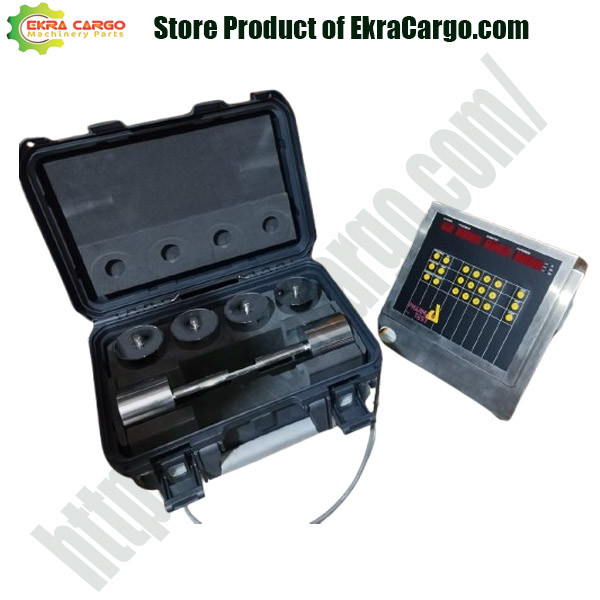
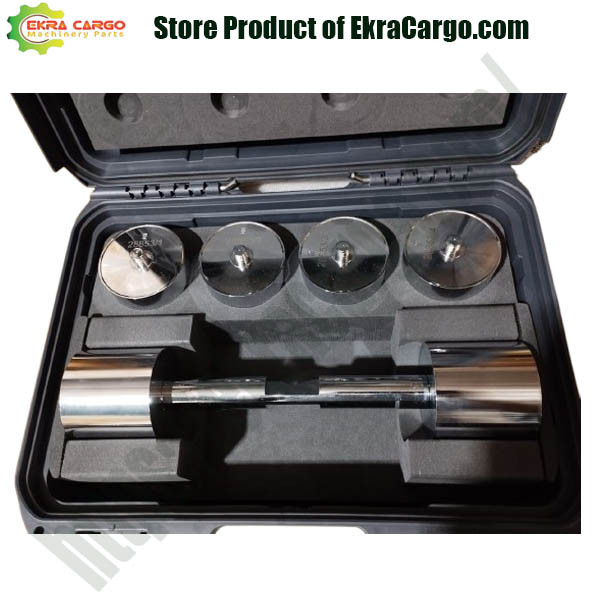
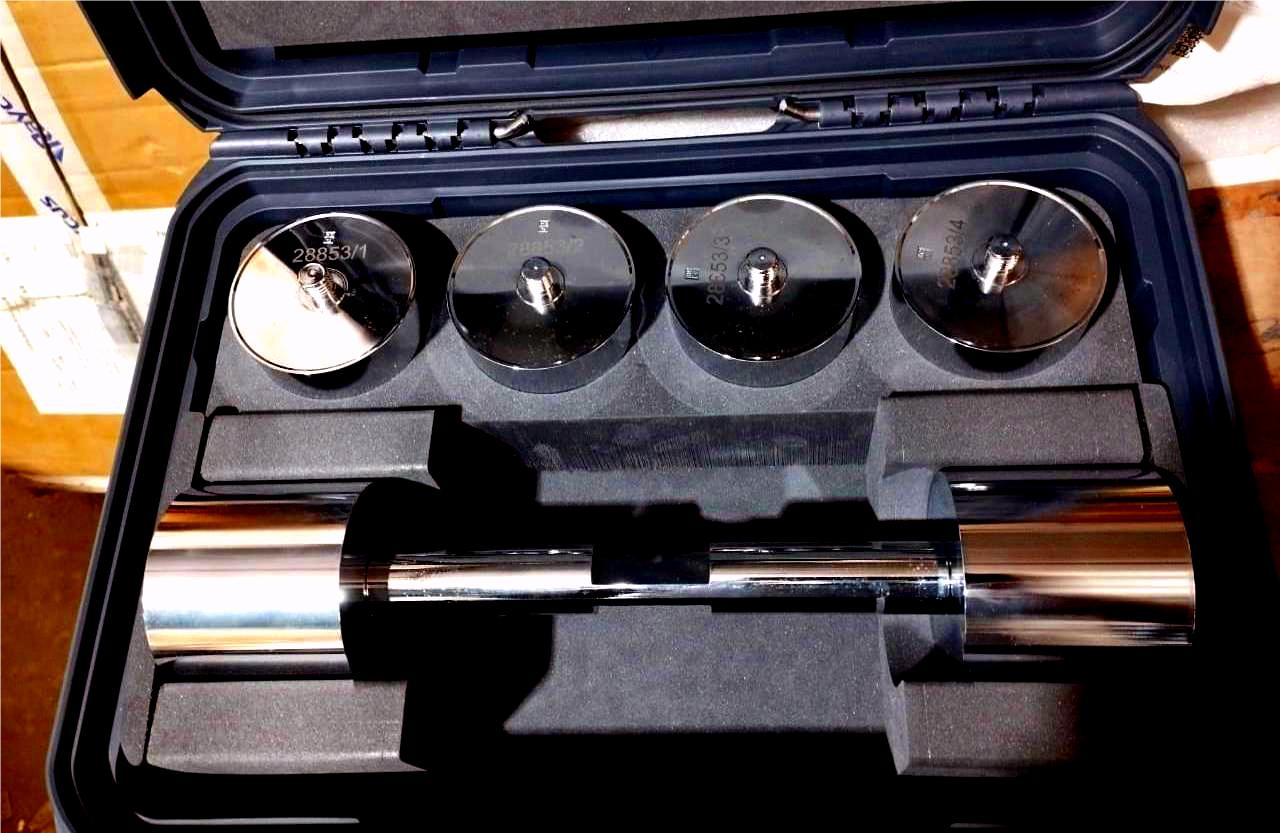
A hardness tester is a specialized device used to measure the mechanical strength of tablets. It determines the force required to break a tablet under controlled conditions. This ensures that the tablets are durable enough to withstand handling, packaging, and transportation without breaking, while still being easy enough for consumers to swallow or for the tablet to dissolve properly.

Check the product at Ekra Cargo...
Why
is Tablet Hardness Testing Important?
Tablet hardness testing is a
critical component of pharmaceutical quality control for several reasons:
Regulatory bodies like the FDA
and WHO require rigorous quality control testing, and tablet hardness
testing is one of the fundamental parameters.
Types
of Hardness Testers
Modern hardness testers come
in various types, each suited for different applications and levels of
automation.
1.
Manual Hardness Tester
This basic model requires manual operation
and is often used in small-scale labs. It’s affordable, but requires human
effort and interpretation of results.
2.
Digital Hardness Tester
This type features digital displays
for precise measurement. Digital testers often include data recording
capabilities and eliminate human error in reading results.
3.
Automatic Hardness Tester
Fully automated and ideal for large
production lines, this device can test multiple tablets consecutively,
automatically recording and storing data for quality reports.
4.
Multi-Parameter Testers
Some advanced machines not only test
hardness but also check tablet thickness, diameter, and weight simultaneously,
making them highly efficient for industrial-scale production.
How
Does a Hardness Tester Work?
While the mechanics may differ
slightly based on the model, the general working principle is the same:
1.
Tablet
Placement: The tablet is placed between two
jaws or anvils.
2.
Application
of Force: The machine applies increasing
pressure to the tablet.
3.
Measurement: The device records the exact force at which the tablet
breaks, usually measured in Newtons (N) or kilograms (kg).
4.
Data
Logging: In digital and automatic models,
the results are stored for future reference and regulatory compliance.
Applications
of Hardness Testers
hardness testers are used
extensively in:
Benefits
of Using a Hardness Tester
Factors
Influencing Tablet Hardness
Several factors can influence the
hardness of tablets:
Quality control teams must account
for all these variables to maintain uniformity and meet health standards.
Tablet
Hardness Testing Standards
Various international guidelines
recommend standardized hardness testing for tablets:
Typically, tablet hardness is
expected to fall between 4 to 10 kg for conventional tablets, though
this range can vary depending on the formulation and the intended use.
Choosing
the Right Tablet Hardness Tester
When selecting a hardness
tester, consider the following:
Future
Trends in Tablet Hardness Testing
With pharmaceutical manufacturing
becoming more digitized, the future of tablet hardness testing lies in:
Staying updated with the latest
tablet testing technology not only ensures compliance but also boosts
operational efficiency.
Frequently
Asked Questions (FAQ)
Q1: What is a hardness tester
used for?
A hardness tester measures the force needed to break a tablet, ensuring
the product’s strength and quality meet pharmaceutical standards.
Q2: Why is tablet hardness
important?
Hardness affects a tablet’s durability during handling and its dissolution
rate, which is essential for therapeutic effectiveness.
Q3: What units are used to measure
tablet hardness?
Tablet hardness is usually measured in Newtons (N) or kilograms (kg), depending
on the equipment and standard used.
Q4: How often should tablet hardness
testing be done?
Hardness testing is typically performed on every production batch, and
sometimes at various intervals during the batch run, to ensure consistent
quality.
Q5: Can tablet hardness affect drug
absorption?
Yes, if a tablet is too hard, it might not dissolve properly, affecting drug
bioavailability. If it’s too soft, it may break during transport or packaging.
Q6: Are automatic hardness
testers better than manual ones?
For large-scale pharmaceutical production, automatic testers offer better
accuracy, efficiency, and regulatory compliance compared to manual models.

Check product at Ekra Cargo...
Conclusion
Investing in a reliable tablet
hardness tester is vital for any pharmaceutical or supplement manufacturer
aiming for consistent quality, regulatory approval, and customer satisfaction.
Whether you're a startup lab or a large-scale producer, the right testing
equipment can prevent costly errors and ensure your tablets are safe,
effective, and market-ready.
If you’re planning to upgrade your
quality control process, choosing the right hardness tester is the first
step toward pharmaceutical excellence.