


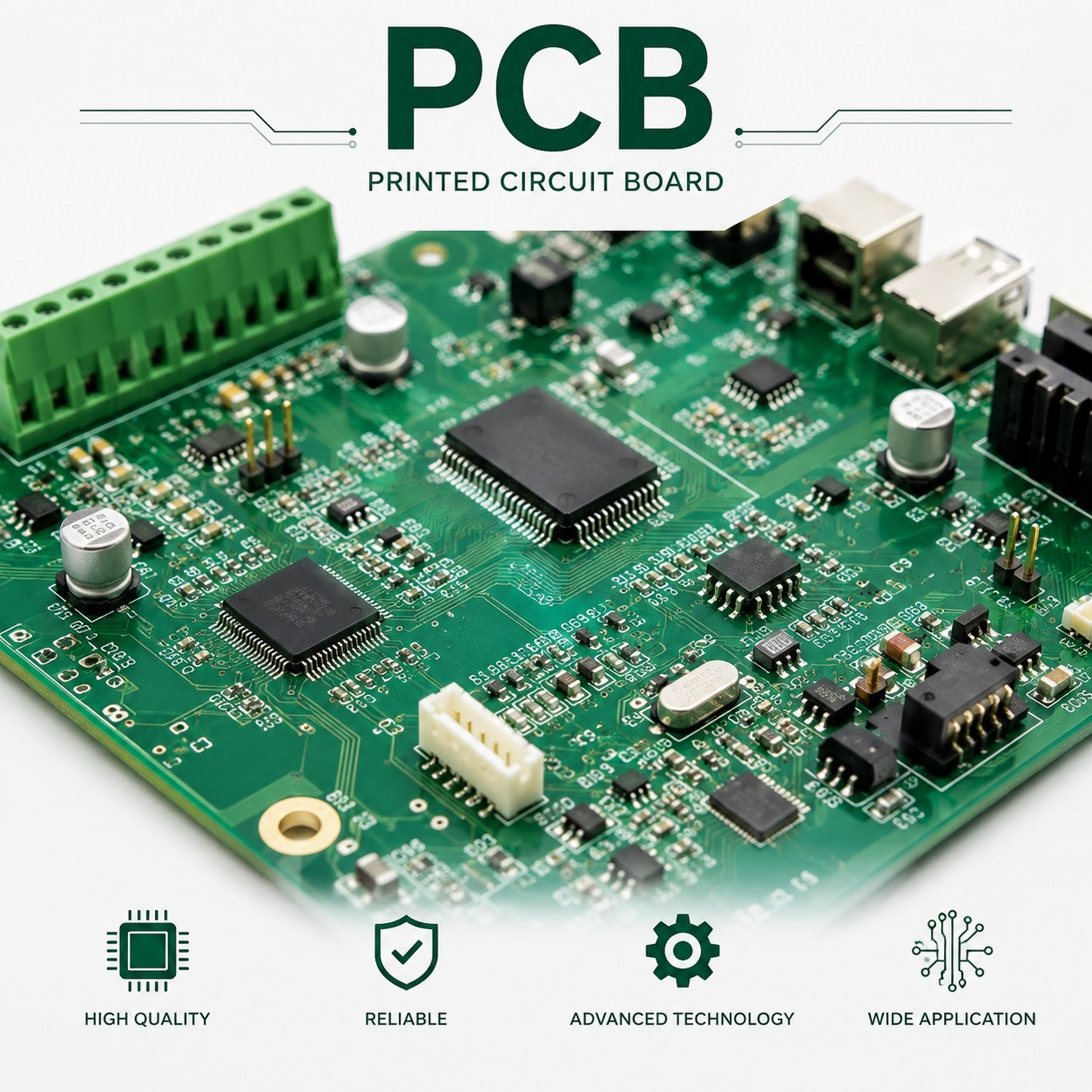


Understanding Switchgear Components: The Building Blocks of Electrical Safety and Reliability
In the intricate world of electrical power distribution,
the uninterrupted and safe flow of electricity is paramount. From data centers
and hospitals to manufacturing plants and commercial complexes, a stable
electrical supply is the lifeblood of modern operations. At the core of
ensuring this stability lies a critical assembly known as switchgear. But what
gives switchgear its remarkable capabilities? The answer is found in the
seamless integration and superior quality of its individual switchgear
components.
This deep dive will explore the fundamental parts that constitute a switchgear system, explaining their functions and why their selection is crucial for the safety, reliability, and efficiency of any medium or high-voltage electrical network.
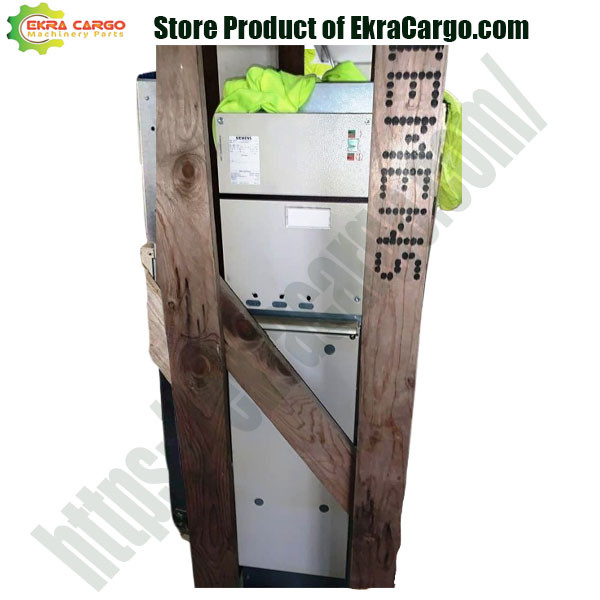
Learn More About the Siemens 8DJH Switchgear Here
What is Switchgear and Why is it Non-Negotiable?
Before
dissecting its components, it's essential to understand the switchgear's
primary role. Think of a switchgear as the sophisticated command center of an
electrical distribution system. It performs three vital functions:
1. Control: It allows operators to manually
energize or de-energize circuits for power routing or maintenance.
2. Protection: It automatically detects abnormal
conditions like overloads and short circuits and instantly isolates the faulty
section to prevent damage to downstream equipment.
3. Isolation: It provides a safe, visible means
of disconnecting power, ensuring maintenance personnel can work on de-energized
equipment without risk.
The failure of
any of these functions can lead to catastrophic equipment damage, prolonged
downtime, and even serious safety hazards. Therefore, the integrity of every
single component within the switchgear is non-negotiable.
A Detailed Look at Critical Switchgear Components
A switchgear is
a complex ecosystem of electrical devices. Each component has a specialized
role, and together, they form a cohesive protective unit.
1.
Circuit Breakers: The First Responders
Circuit breakers
are arguably the most recognized switchgear components.
They are the workhorses designed to interrupt fault currents automatically.
When a protection relay signals an anomaly, the circuit breaker acts within
milliseconds to open its contacts and extinguish the electrical arc, stopping
the flow of current.
·
Types: Common
types include Vacuum Circuit Breakers (VCB) and SF6 Circuit Breakers. Vacuum
breakers are renowned for their long life and minimal maintenance, while SF6
breakers are prized for their excellent arc-quenching properties in a compact
design.
2.
Protection Relays: The Intelligent Brain
If the circuit
breaker is the muscle, the protection relay is the brain. These sophisticated
microprocessors continuously monitor electrical parameters like current,
voltage, frequency, and power. They are programmed to recognize specific fault
signatures (e.g., overcurrent, earth fault, differential current) and send a
precise trip signal to the circuit breaker. Modern digital relays offer
advanced features like event logging, communication capabilities, and detailed
metering.
3.
Current Transformers (CTs) and Voltage Transformers (VTs): The Senses
CTs and VTs are
the sensory organs of the switchgear. Their job is to "step down" the
high currents and voltages in the primary circuit to standardized, low-level
values that can be safely handled by the protection relays and metering
equipment. A CT, for instance, might reduce a 1000A primary current to a safe
5A secondary current for the relay to monitor. Their accuracy is critical, as
any error in measurement can lead to a failure to trip or an unnecessary trip.
4.
Disconnect Switches (Isolators): For Safe Isolation
Disconnect
switches provide a visible break in the circuit to ensure it is de-energized
for maintenance. A key distinction is that they are not designed to interrupt
load or fault currents; they are operated only after the circuit breaker has
opened the circuit. The visible gap they create is a vital safety procedure,
providing physical confirmation that the circuit is dead.
5.
Busbars: The Power Highways
Busbars are the
robust conductors, typically made of copper or aluminum, that form the main
power-carrying backbone within the switchgear assembly. They distribute power
from the incoming feeder to the various outgoing feeder circuits. Their design,
size, and insulation are critical for managing thermal and mechanical stresses,
especially during short-circuit conditions.
6.
Control Wiring and Marshalling Kits: The Nervous System
This intricate
network of wires connects the relays, breakers, CTs/VTs, and remote controls.
It is the nervous system that carries signals and power for operation and
monitoring. High-quality wiring and proper terminations are essential to
prevent signal loss, interference, or failure.
The Sum of Its Parts: A Case Study in Integrated Design
The true test of
a switchgear's quality is how well these components are engineered to work
together. A system is only as strong as its weakest link. This is why manufacturers
with a reputation for excellence, like Siemens, invest heavily in the design
and integration of every part.
A prime example
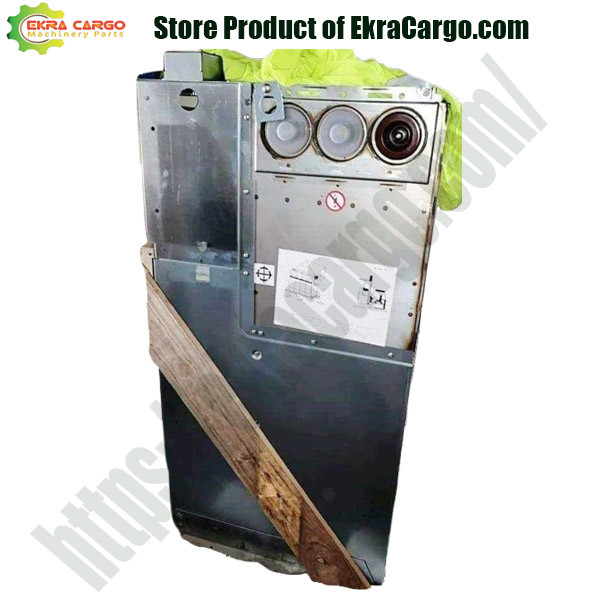
is the Siemens 8DJH medium voltage switchgear. This
switchgear is a testament to how thoughtful component integration creates a
superior product.
·
Compact and Safe Design: As a gas-insulated switchgear (GIS), the 8DJH
houses its live switchgear components in a sealed
environment filled with SF6 gas, which provides excellent insulation in a
fraction of the space required for air-insulated systems. This design
inherently improves safety by isolating personnel from live parts.
·
Reliable Arc Interruption: The use of a vacuum circuit
breaker for switching and a SF6-insulated housing for the busbar system
combines the best of both technologies—vacuum's reliable arc quenching and
SF6's compact insulation.
·
Sealed-for-Life Components: The pressurised system protects
critical components from environmental contaminants like dust, moisture, and
salt, which dramatically reduces maintenance needs and enhances long-term
reliability.
This holistic
approach to design ensures that all switchgear components—from
the largest circuit breaker to the smallest control wire—are optimized for a
single goal: unwavering system reliability.
Conclusion: Investing in Quality from the Component Up
Understanding
the role of individual switchgear components empowers you to make informed
decisions about your electrical infrastructure. Specifying or procuring
switchgear is not just about buying a metal cabinet; it's about investing in
the collective performance, safety, and longevity of every internal part.
When evaluating
options, always prioritize quality, compatibility, and the manufacturer's
proven track record in engineering these complex systems. A reliable switchgear
assembly, built with top-tier components, is your best defense against costly
downtime and dangerous electrical failures, securing your operations for years
to come.
To see a switchgear solution where every component is engineered for peak performance, explore the specifications of the Siemens 8DJH Medium Voltage Switchgear.


Ekracargo.com - Your trusted partner in industrial efficiency, providing a wide range of premium quality spare parts at competitive prices.
Contact Info
- Address: House 54 | Road 14 | Sector 14 | Uttara | Dhaka 1230 | Bangladesh
- Phone: Contact: +8801634736139 (WhatsApp) ,+8801789394669 (WhatsApp)
- Email: info@ekracargo.com