Solenoid Valve Types: A Complete Guide for Beginners and Professionals
Solenoid valves are everywhere—you're dealing with irrigation systems, industrial control, HVAC systems, or medical equipment. But choosing the ideal solenoid valve starts with a grasp of the range of types of solenoid valves.
What you'll find below is a tutorial that will explain the most common types of solenoid valves, how they operate, and when to utilize them. Newbie or battle-hardened pro, you're in good hands here.

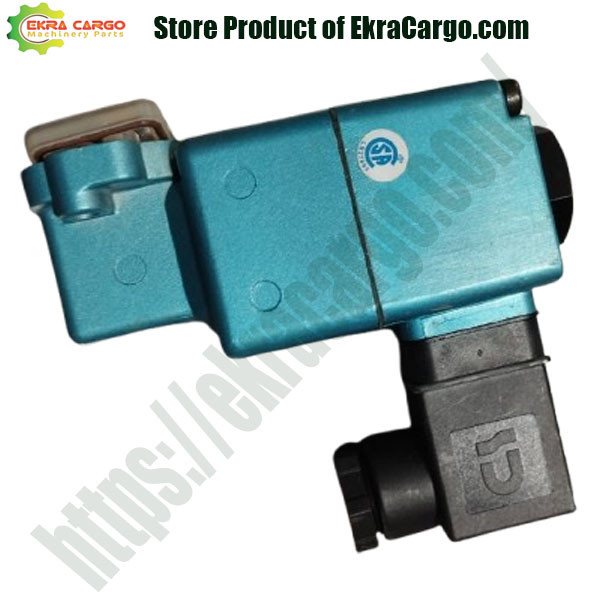
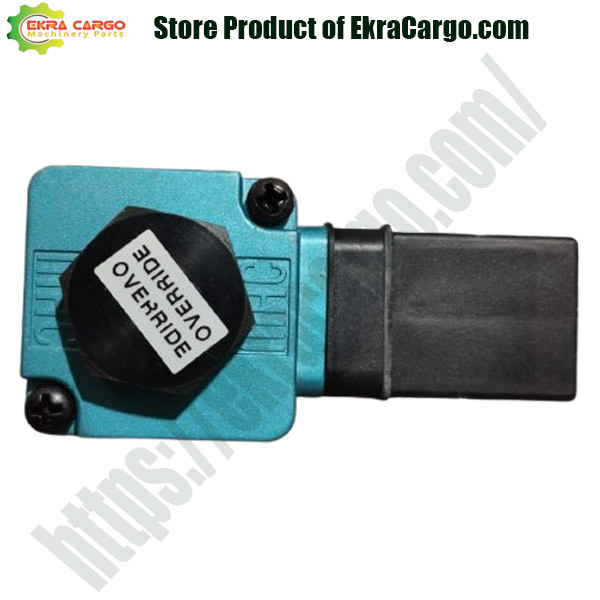
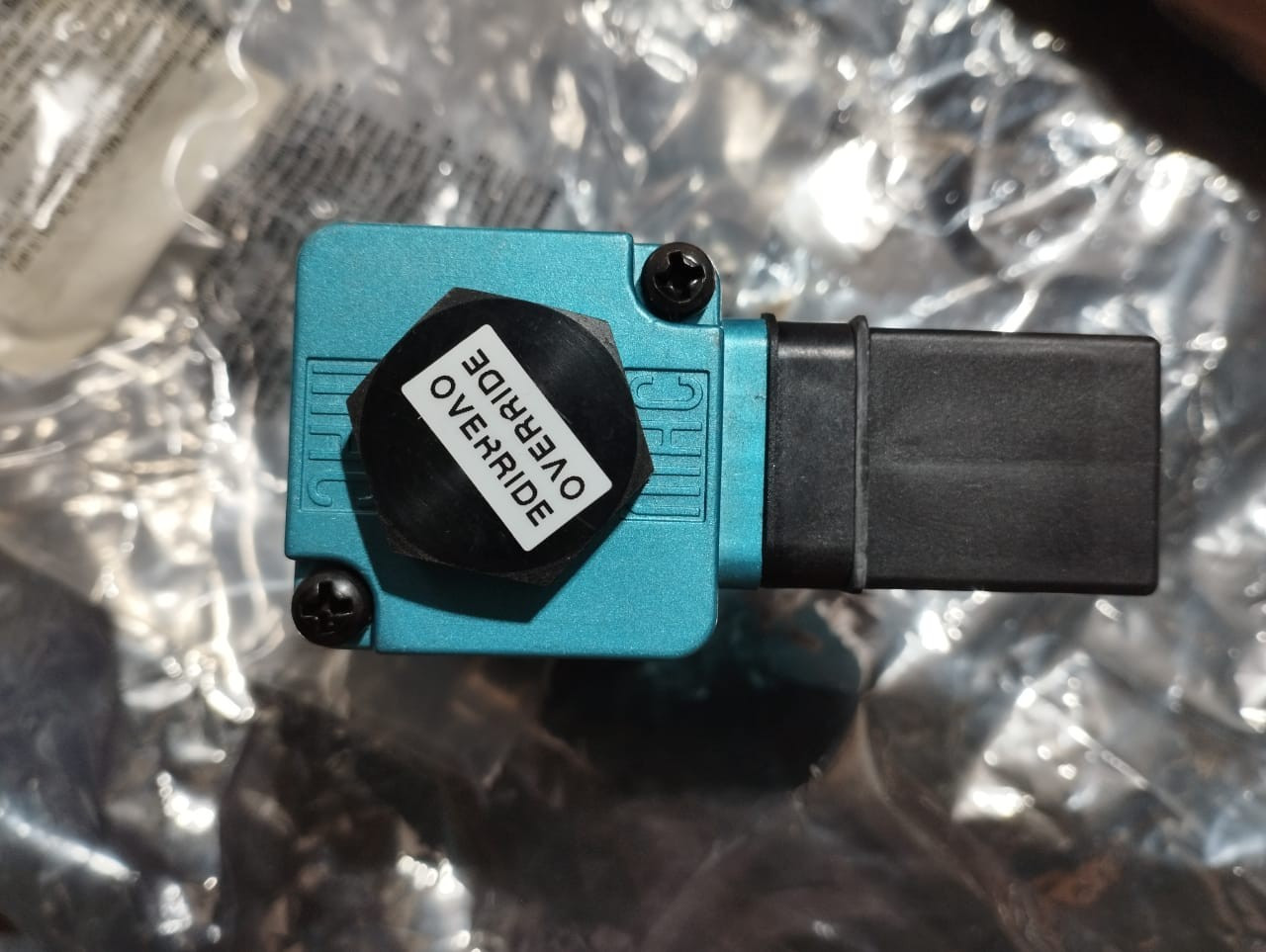
Check the product at Ekra Cargo
What Is a Solenoid Valve?
A solenoid valve is an electromechanical actuator
that is utilized for the control of gas or liquid flow. It functions by means
of an electric current to create a magnetic field, which opens or closes the
valve.
Main Advantages:
Fast and precise control
Small size
Remote control
Low power consumption
Main Types of Solenoid Valves
Let us explore the most common types and their operation.
1. Direct Acting Solenoid Valve
How it works:
This valve utilizes the solenoid coil magnetic field to actually lift the valve seat and open the valve.
Suited for:
Low flow rates
Low pressure systems
Simple on/off control
Advantages:
Operates at zero pressure
Quick response time
Easy design
Limitations:
Limited flow capacity
Not suited for high-pressure systems
2. Pilot Operated Solenoid Valve
Functionality:
Utilizes system pressure to assist in opening the valve. The solenoid controls a small pilot valve that in turn controls the main valve.
Suitable for:
High flow applications
Systems with constant pressure
Advantages:
Handles high pressure and flow
More energy efficient
Lesser wear on parts
Disadvantages:
Needs minimum pressure to operate
Slower than direct-acting valves
3. Two-Way Solenoid Valve
How it works:
Two ports: inlet port and outlet port. Allows flow or blocks flow.
Best for:
Simple flow control
On/off fluid applications
Advantages:
Simple construction
Easy to install
Disadvantages:
Lesser control options
4. Three-Way Solenoid Valve
How it works:
Three ports and able to divert flow between outlets or divert flow.
Best for:
Pneumatic systems
Mixing or diverting fluid flows
Pros:
Flexible function
Appropriate for more complicated control
Cons:
More expensive
Fairly complicated installation
5. Four-Way Solenoid Valve
How it works:
Four ports and two positions. Double-acting cylinder control.
Best for:
Industrial automation
Actuator systems
Pros:
Offers complete flow control
Well-suited for complicated systems
Cons:
Requires more wiring
Larger design
Specialized Types
Aside from the main types, there are also specialized solenoid valves for specific applications.
Normally Open vs. Normally Closed
Normally Closed (NC): Valve is closed until energized. Most common.
Normally Open (NO): Valve stays open until it is energized. Used in protection systems.
Explosion-Proof Solenoid Valves
Designed specifically for hazardous areas (oil & gas, mining)
Protects against ignition by electrical sparks
Product Recommendations
1. Burkert Type 6011 –
Direct Acting Valve
Advantages:
Durable construction
Ideal for small flow control
Compatible with water, air, and neutral gases
Disadvantages:
Not ideal for thick or sticky fluids
Best For: Laboratory installations, home automation,
small equipment
2. ASCO RedHat 8210 –
Pilot Operated Valve
Advantages:
Handles higher pressures
Consistent performance in industrial applications
Cons:
Minimum pressure requirement (5 PSI or higher)
Best For: Industrial automation, HVAC systems
3. Parker 7321B –
3-Way Solenoid Valve
Pros:
Durable brass construction
High flow rate
Multiple configurations
Cons:
More expensive than standard valves
Best For: Pneumatic control, irrigation installation
Solenoid Valve Buying Guide
1. Know Your Application
Are you working with water, gas, oil, or air?
Is your system low pressure or high pressure?
2. Valve Type
Choose between direct-acting or pilot-operated based on your pressure and flow requirements.
3. Material Compatibility
Brass: Great for water, air, non-corrosive gases
Stainless Steel: For aggressive media or sanitary environments
Plastic (PVC/Nylon): Lightweight, chemical-resistant
4. Voltage Type
Available in AC (120V/240V) and DC (12V/24V) versions.
Match your system’s electrical specs.
5. Certifications
Look for CE, UL, RoHS, or ATEX if you’re in a regulated industry.
6. Port Size
Select the port size to fit your piping system (e.g., 1/4", 1/2", 1").
My Personal Experience
I once fitted the lowest-cost solenoid valve for a rainwater harvesting system. It was the incorrect decision. It failed after a few weeks due to water hammer and pressure surges.
I replaced it with a pilot-operated brass valve with
integral filter. It has been functioning well for over a year now. So investing
a little more upfront saved time, money, and frustration.
FAQs on Solenoid Valve Types
Q: What is the difference between pilot operated and
direct acting solenoid valves?
A: Direct acting valves open/close only by the solenoid, but pilot-operated valves utilize system pressure to assist in moving them.
Q: Can I use any air or gas solenoid valve?
A: Not compatible—refer to the media. Stainless steel or special seals generally for gas.
Q: Can I use any voltage?
A: DC (12V/24V) for battery or mobile systems; AC (110V/220V) for domestic or commercial systems.
Q: Are solenoid valves water-resistant?
A: No, not all. IP-rated or sealed types are for wet areas.
Q: Can solenoid valves be used outdoors?
A: Yes, as long as the valve is weatherproof or housed in a protective enclosure.
Final Thoughts
Solenoid valves are essential parts of flow control and automation systems. Which type to use is determined by your application, pressure needs, and media compatibility.
Be patient, read the spec sheets, and don't be
afraid to spend money on a quality product. Whether you're a do-it-yourselfer
putting in a home irrigation system or an industrial control systems
professional, knowing something about different types of solenoid valves will
allow you to make better decisions.