




Solenoid Valve Price Guide How Much Should You Really Pay | Best Rates | Buying Guide | Detailed Tips | Maintenance | FAQ |
Solenoid Valve Price Guide: How Much Should You Really Pay?
Solenoid valves are small but robust units used in an incredibly efficient range of systems — from gas and water to industrial automation. Whether you're an amateur looking to find prices or a professional looking to buy parts for a project, knowing the price range of a solenoid valve is crucial.
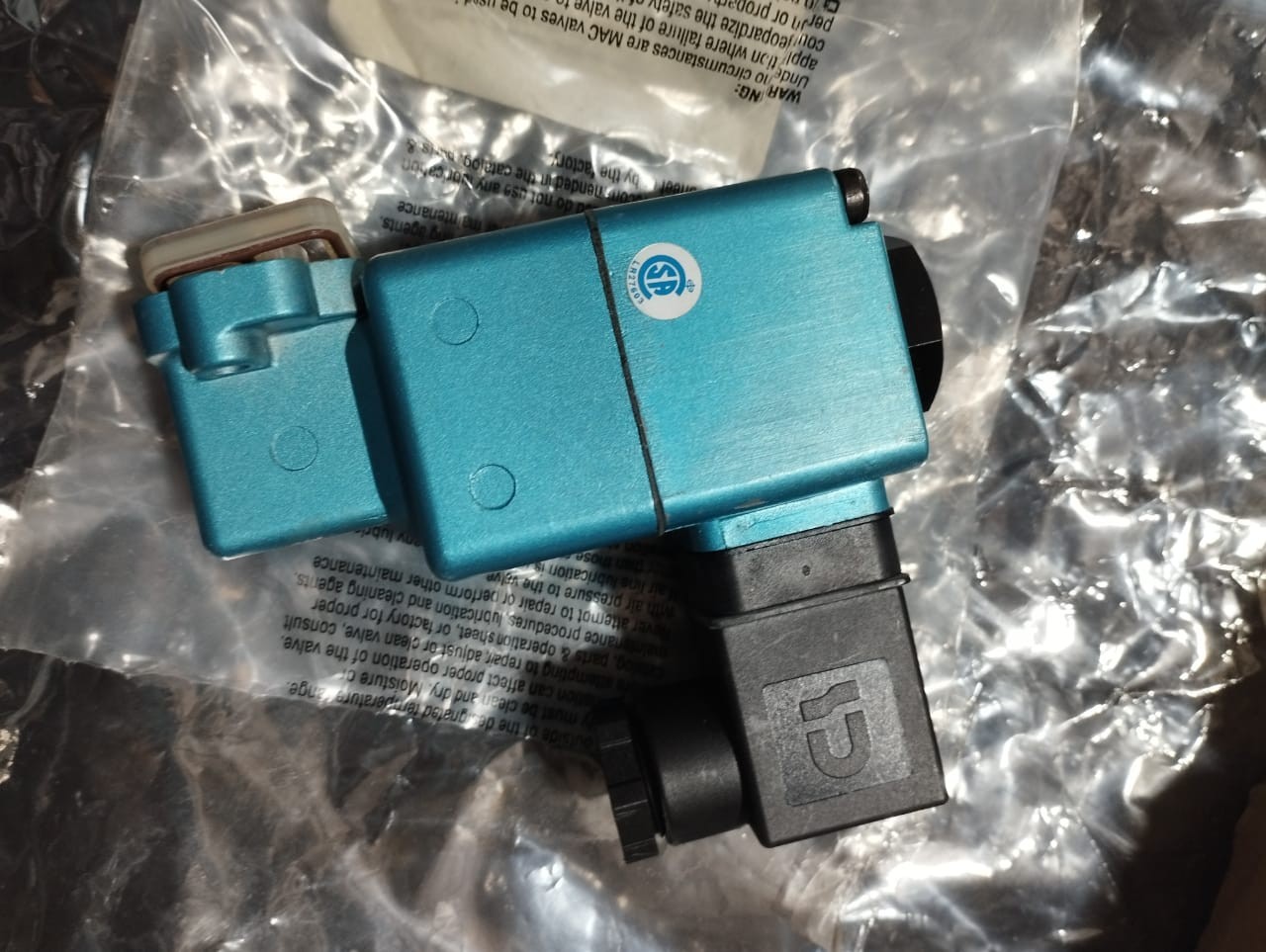
Check the
product at Ekra Cargo
This article will help you:
* In understanding overall price ranges
Brand comparison
Understanding features that affect cost
Making informed buying decisions
Let's break it down.
How Much Does a Typical Solenoid Valve Cost?
Solenoid valves come in an enormous variety of
sizes, materials, and configurations. This has a direct bearing on cost. Here's
a quick rundown of typical price ranges:
Type of Solenoid Valve\tTypical Price Range
(USD)
Miniature Valves\t$5 – $20
General-Purpose Valves\t$20 – $60
High-Pressure Industrial\t$50 – $150+
Stainless Steel Valves\t$40 – $200+
Explosion-Proof Valves\t$100 – $500+
⚠️ Prices may vary by brand, flow rate, voltage, and
certification standards.
How Much Does It Cost a Solenoid Valve?
There are several factors that influence the
cost of a solenoid valve:
1. Material
Brass: Inexpensive, corrosion-resistant — common
in water and air applications.
Stainless Steel: More costly, but better suited
for aggressive media and long term.
Plastic (PVC or Nylon): Least expensive, but
lowest temperature and pressure ratings.
2. Valve Size (Port Size)
1/8\",
1/4%",
1/2",
1",
netc.
Larger ports tend to = more costly.
3. Function
2-way valves (most widely used) are cheaper than
3-way or 5-way valves.
Valves with explosion-proof casing, latching
coils, or manual override are more costly.
4. Brand
Some brands cost more because they are certified
and reputable.
Top 3 Recommended Solenoid Valves
1. SMC VXD Series Solenoid Valve
Price: ~$90
Best for: Industrial air and water systems
Pros:
Reputable Japanese brand
Low power consumption
Long lifespan
Cons:
More expensive than entry-level
Not suitable for high-pressure fluids
2. Parker 7321B Series
Price: ~$120
Suitable for: Use of fluid and gas in industrial
applications
Pros:
Robust brass casing
Wide range of voltage options
UL and CE marked
Cons:
Heavy than plastics
Higher upfront cost
3. U.S. Solid 1/2'' Brass Solenoid Valve
Price: ~$30
Suitable for: DIY, Light industrial application
Pros:
Less expensive
Simple installation
Works with water and air
Cons:
Avoid using with hot fluids
Lower life cycle while working hard
Buying Guide: How to Choose the Best Solenoid
Valve
This is what to remember before you buy:
✅ 1. Media Compatibility
Water, oil, air, or gas? Choose materials that
don't corrode or react.
✅ 2. Voltage Requirements
Voltages most commonly used: 12V DC, 24V DC,
110V AC, 220V AC
Choose your power source for performance and
safety.
✅ 3. Response Time
Fast-opening valves are a necessity in
automation.
✅ 4. Operating Pressure and Temperature
Check PSI and °C/°F ratings. Underrated valves
will burn out in a flash.
✅ 5. Certifications
For industrial or regulated use, verify UL, CE,
ISO, or RoHS certification.
My Personal Experience with Solenoid Valves
As an occasional DIY builder of small automation
systems, I have had the experience of using both cheap and high-end solenoid
valves. Here's what I've learned:
Low-cost valves are sufficient for light loads.
I put a $25 brass valve on a garden irrigation system — still going strong
after 2 years.
High-end valves are worthwhile to spend for
commercial or high-risk uses. One instance, a cheap valve exploded in a
pressurized CO₂ line — lesson
learned.
My recommendation? Don't spend too much on small
projects, but don't be stingy with safety-critical systems.
FAQs About Solenoid Valve Prices
Q1: Are expensive solenoid valves always better?
A: No. More money usually means more durability
and approvals, but for small projects, a mid-range valve is acceptable.
Q2: Can I use a plastic solenoid valve with
water?
A: Yes, provided temperature and pressure are
within guidelines.
Q3: Can I purchase solenoid valves on Amazon or
AliExpress?
A: Yes.
A: In non-critical applications, yes. Always
verify feedback and product specifications. For industrial applications,
purchase from a reputable distributor.
Q4: How long does a solenoid valve usually last?
A: Generally 1-5 years depending on usage.
High-end valves can last 10+ years if properly serviced.
Q5: Can solenoid valves be repaired?
A: Sometimes. Coil replacement can be viable,
but replacement is generally more economical in the majority of applications.
Conclusion
Solenoid valve prices range from a few dollars
to several hundred — and the one you will require is your application.
✅ Quick Recap:
Budget models start at $10–$30
Dependable and good quality mid-range models
cost $50–$120
Industrial and special valves may be $200 and
higher
To get the best, always match the valve
specifications to your application and think about long-term reliability, not
price.


Ekracargo.com - Your trusted partner in industrial efficiency, providing a wide range of premium quality spare parts at competitive prices.
Contact Info
- Address: House 54 | Road 14 | Sector 14 | Uttara | Dhaka 1230 | Bangladesh
- Phone: Contact: +8801634736139 (WhatsApp) ,+8801789394669 (WhatsApp)
- Email: info@ekracargo.com