





The Ultimate Guide to Security Servers: Features, Benefits, and How to Choose
What is a Security Server? The
Ultimate Guide to Fortifying Your Network
In an era where
cyber threats are not just common but sophisticated and relentless, relying on
basic antivirus software is like using a wooden barricade to stop a tank.
Modern businesses, regardless of size, handle sensitive data, conduct
transactions online, and rely on constant network availability. To protect
these digital assets, you need a specialized, powerful, and dedicated solution.
This is where the concept of a security server comes
into play.
This guide will demystify what a security server is, how it works, its critical benefits, and why a hardware appliance is often the best choice for ensuring impenetrable network defense.
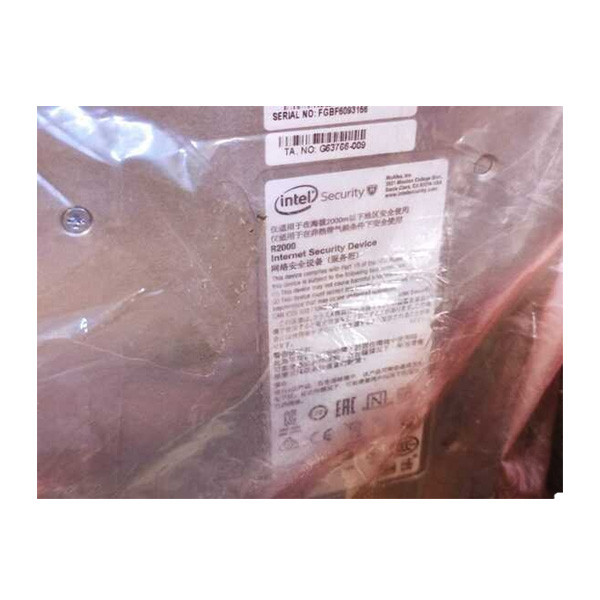
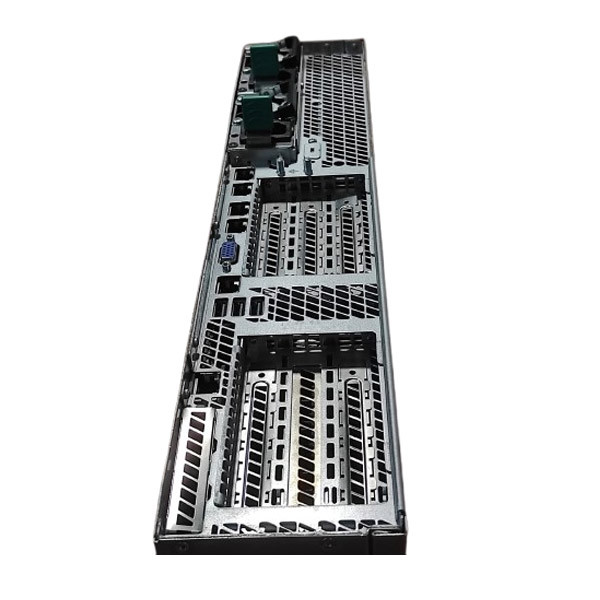
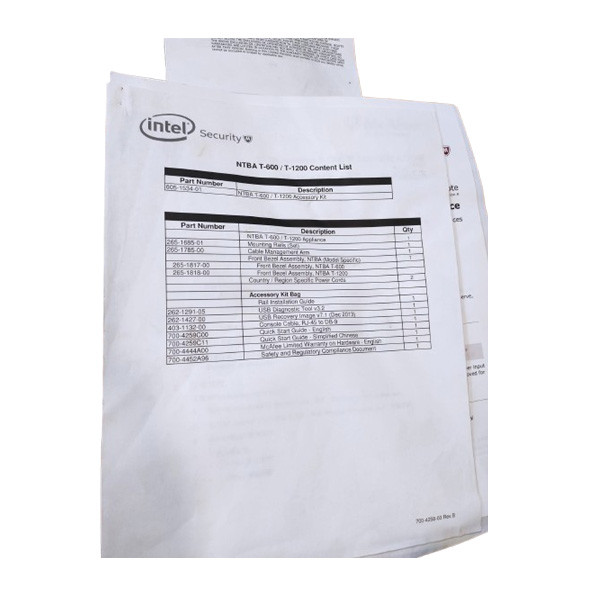
Explore the Intel McAfee Network Security Server NTBA T-1200 here.
Understanding the Core Concept: What Exactly is a Security
Server?
At its simplest,
a security server is a dedicated server whose sole
purpose is to protect a network and its resources. It acts as a single,
fortified point of control through which all network traffic must pass. Think of
it as a highly trained, ever-vigilant security checkpoint for every bit of data
entering or leaving your network.
Unlike a
general-purpose server that might host applications, files, or databases, a
security server is optimized for one mission: to inspect, filter, and block
malicious activity. It runs specialized security software and operating systems
that are "hardened" against attacks, meaning non-essential functions
are stripped away to minimize vulnerabilities.
How Does a Security Server Work? The Inner Mechanics
A security
server operates by sitting between your internal network and the untrusted
external network (the internet). This strategic position, often called a
"chokepoint," allows it to enforce your organization's security
policies effectively. Here’s a breakdown of its core functions:
1. Deep Packet Inspection (DPI): This is the most crucial feature.
Instead of just looking at the source and destination of a data packet (like a
basic router), DPI examines the actual content of the
packet. It can detect malicious code, intrusion attempts, non-compliant data,
and other threats hidden within the data stream that would easily bypass
simpler firewalls.
2. Intrusion Prevention System (IPS): An IPS is an active system that
not only detects known attack patterns (signatures) but also can block them in
real-time. If it identifies a stream of data as an attempted exploit, it can
immediately terminate the connection and block the offending IP address before
any damage is done.
3. Gateway Antivirus and Anti-Malware: A security server scans all web
(HTTP/HTTPS) and file (FTP) traffic for viruses, worms, trojans, and ransomware
at the network boundary. This prevents infected files from ever reaching end-user
devices.
4. Application Awareness and Control: Modern security servers can
identify specific applications (like Facebook, Skype, or BitTorrent) regardless
of the port they use. This allows administrators to create policies to block or
limit bandwidth for non-business-critical applications, improving both security
and productivity.
5. Virtual Private Network (VPN) Gateway: Many security servers provide
secure VPN capabilities, allowing remote employees to connect to the corporate
network safely over an encrypted tunnel.

Hardware vs. Software: The Critical Advantage of a
Dedicated Security Server
While software
firewalls exist, a dedicated hardware security server offers
undeniable advantages for any serious business:
·
Superior Performance: Security processing is resource-intensive. By
offloading this task to a dedicated appliance, you free up valuable resources
on your other servers and ensure that your network performance doesn't suffer
under heavy load. A dedicated device like the Intel McAfee Network
Security Server NTBA T-1200 is engineered specifically for
high-throughput, low-latency security analysis.
·
Enhanced Reliability: Hardware security servers are built for 24/7/365
operation. They are typically more stable than a security software suite
running on a general-purpose server that might be rebooted for updates or
experience unrelated conflicts.
·
Centralized Management and Visibility: With all traffic flowing through a
single point, monitoring, logging, and policy management become vastly more
straightforward. You get a unified view of your entire network's security
posture from one console.
·
Stronger Security Posture: A dedicated appliance has a
smaller "attack surface" than a multi-purpose server. With its
hardened operating system and lack of unnecessary software, there are fewer
potential vulnerabilities for hackers to exploit.
Is a Hardware Security Server Right for Your Business?
If your business
falls into any of the following categories, investing in a dedicated security
server is a prudent and necessary step:
·
Handling Sensitive Data: You manage customer records, financial information,
or intellectual property.
·
Subject to Compliance: You need to meet regulations like GDPR, HIPAA, or
PCI-DSS, which mandate robust network security controls.
·
Experiencing Growth: As your business and network traffic grow, a scalable
security solution becomes essential.
· Seeking Proactive Defense: You want to move beyond simply cleaning up infections and instead prevent them from happening in the first place.
Choosing a Proven Solution
Selecting the
right hardware is paramount. It needs to have the processing power to handle
your network's volume and the feature set to combat modern threats. For
organizations looking to deploy a reliable, high-performance foundation for
their network security, exploring established appliances is a key first step.
One such enterprise-grade
solution that exemplifies this dedicated approach is the Intel McAfee Network
Security Server NTBA T-1200, the details of which can be found here. This
type of appliance is designed to integrate into your network and provide the deep
packet inspection, intrusion prevention, and gateway antivirus capabilities
discussed throughout this article.
Conclusion: Building an Unbreachable Defense
In the relentless landscape of cyber threats, a proactive, layered defense is the only effective strategy. A dedicated security server forms the core of this strategy, acting as an intelligent, powerful, and resilient barrier against a wide array of attacks. By understanding its role and investing in the right hardware, you can transform your network from a vulnerable target into a fortified digital fortress, ensuring business continuity, protecting your reputation, and safeguarding your most critical assets.


Ekracargo.com - Your trusted partner in industrial efficiency, providing a wide range of premium quality spare parts at competitive prices.
Contact Info
- Address: House 54 | Road 14 | Sector 14 | Uttara | Dhaka 1230 | Bangladesh
- Phone: Contact: +8801634736139 (WhatsApp) ,+8801789394669 (WhatsApp)
- Email: info@ekracargo.com