




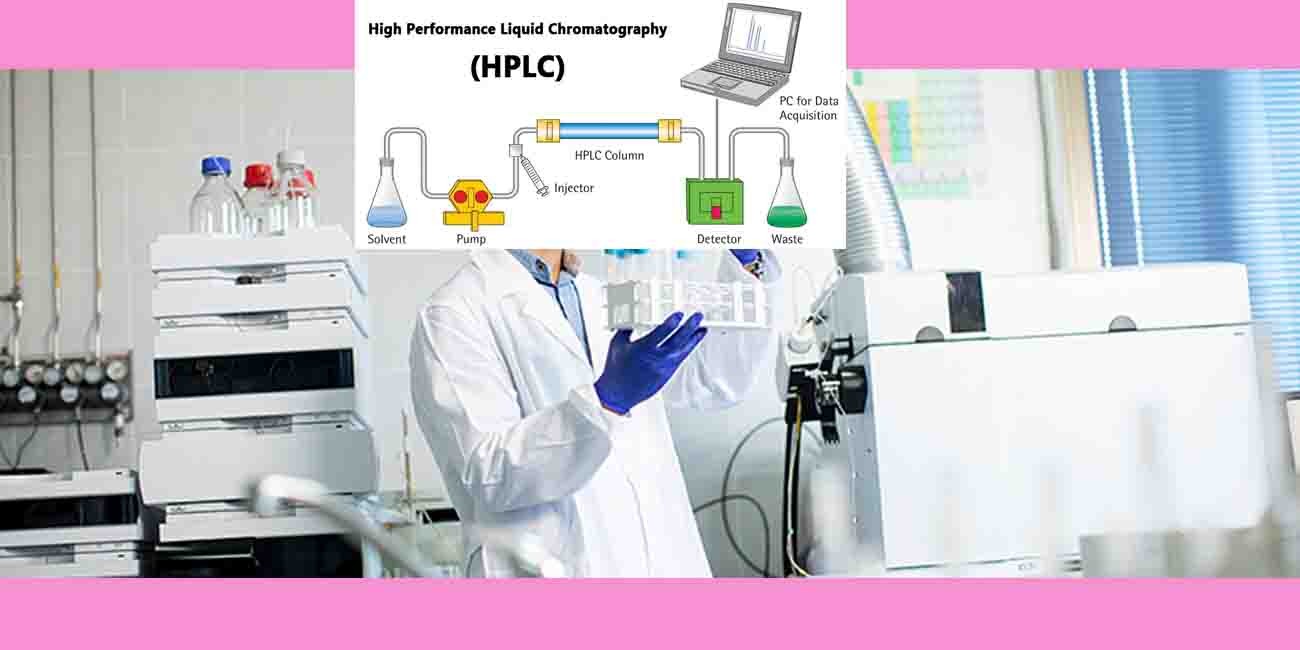
Unveiling SEC HPLC: Precision Analysis for Biomolecules and Polymers
Size
Exclusion Chromatography (SEC), often referred to as SEC HPLC, is a specialized
technique in High-Performance Liquid Chromatography (HPLC) that separates
molecules based on their size. SEC HPLC plays a vital role in the analysis of
proteins, polymers, and other biomolecules. By utilizing the principle of
molecular size differentiation, SEC HPLC allows scientists to study molecular
weight distribution and purity in a sample with high precision.
For
laboratories that require top-notch HPLC equipment, Ekra Cargo’s Thermo TSQ Quantum Discovery Max MS System is an
excellent choice. This system provides advanced features that enhance the
accuracy and efficiency of SEC HPLC analysis. You can explore the details of
this cutting-edge instrument here.
What is SEC HPLC?
Size
Exclusion Chromatography (SEC), also known as gel permeation chromatography,
separates molecules based on their hydrodynamic volume or size. SEC HPLC uses a
column packed with porous beads, where smaller molecules enter the pores and
take longer to travel through the column. Larger molecules, however, are
excluded from the pores and elute from the column faster.
SEC
HPLC is essential for:
·
Protein
Analysis: SEC HPLC is used to
analyze the size and purity of protein samples in biological research.
·
Polymer
Science: Scientists can
determine the molecular weight distribution of polymers, essential for quality
control in materials science.
·
Biopharmaceuticals: SEC HPLC is employed to ensure the purity
and stability of biomolecules, such as monoclonal antibodies and gene therapy
products.
Ekra
Cargo’s Thermo TSQ Quantum Discovery Max MS System enhances
SEC HPLC’s potential with its high sensitivity and advanced detection
capabilities, making it suitable for complex biomolecular analysis. Discover
more about this powerful system on Ekra Cargo's product page here.
Key Applications of SEC HPLC
SEC
HPLC finds applications across multiple industries due to its ability to
analyze molecular size, distribution, and aggregation.
1. Pharmaceutical Research
·
Used extensively to
study protein aggregation, which is crucial for developing safe and effective
biopharmaceutical products.
2. Biotechnology
·
SEC HPLC helps in the
analysis of monoclonal antibodies, gene therapy products, and other biomolecules,
ensuring they meet purity and stability requirements.
3. Polymer Research
·
In polymer science,
SEC HPLC measures molecular weight distribution, which is important for
understanding polymer characteristics and behavior.
4. Environmental Testing
·
SEC HPLC is also used
for studying organic contaminants in the environment, allowing researchers to
understand the presence of high-molecular-weight compounds in samples.
Advantages of SEC HPLC
1. Non-Destructive Analysis
·
SEC HPLC allows
researchers to separate and analyze biomolecules without altering their
structure, ideal for studying native proteins and other sensitive molecules.
2. High Accuracy in Molecular Weight Determination
·
This technique
provides precise molecular weight data, crucial for protein characterization,
polymer science, and more.
3. Efficient Separation of Aggregates
·
SEC HPLC can separate
monomers, dimers, and higher-order aggregates, which is essential for analyzing
biomolecular stability and aggregation.
4. Wide Range of Applications
·
SEC HPLC is versatile,
covering applications in biopharmaceuticals, polymer research, environmental
science, and food quality testing.
SEC HPLC Workflow with the Thermo TSQ Quantum
Discovery Max MS System
The Thermo TSQ Quantum Discovery Max MS System elevates
SEC HPLC workflows through:
1. Enhanced Detection Sensitivity: Allows researchers to identify even low-concentration
biomolecules with precision.
2. Mass Spectrometry Integration: The MS capability enables detailed molecular analysis beyond
size, such as structure and chemical composition.
3. Versatility in Detector Options: Compatible with UV, fluorescence, and mass spectrometric
detectors, enabling customizable analysis depending on the sample type.
4. Data Analysis Efficiency: Streamlined data processing features provide accurate results
faster, boosting productivity in high-throughput labs.
Choosing the Right SEC HPLC Instrument for
Your Lab
When
selecting an SEC HPLC instrument, consider the following factors:
·
Detection
Needs: For applications
requiring high sensitivity, such as trace analysis in biopharma, a system with
MS detection capabilities is ideal.
·
Column
Compatibility: Make sure the system
supports a variety of columns, especially SEC columns designed for protein or
polymer analysis.
·
Throughput
Requirements: Labs with high
sample volumes may benefit from systems with automated features to optimize workflow
efficiency.
The Thermo TSQ Quantum Discovery Max MS System from
Ekra Cargo fulfills these criteria, offering high sensitivity, versatile
detection options, and automated analysis features that support complex SEC
HPLC applications. Learn more about this advanced SEC HPLC system here.
Enhancing SEC HPLC with Advanced Detection
Methods
Traditional
SEC HPLC relies on UV detection; however, integrating advanced detectors like
mass spectrometry offers deeper insights. The Thermo TSQ Quantum Discovery
Max MS System combines SEC with MS, enhancing the analysis by:
1. Improving Sensitivity for Low-Abundance Compounds: Detects compounds that might be missed with
UV or refractive index detectors.
2. Providing Detailed Structural Information: Mass spectrometry provides molecular weight
and structural data, which is invaluable in research and quality control.
3. Enabling Multimodal Detection: For complex samples, using MS along with UV detection provides
a comprehensive analysis, ensuring more accurate results.
Practical Tips for Using SEC HPLC
1. Optimize Column Selection: Choose a column that matches your sample type and molecular
weight range for the best resolution.
2. Carefully Prepare Samples: Ensure samples are filtered and properly diluted to prevent
clogging or damaging the column.
3. Monitor Mobile Phase Composition: Consistency in the mobile phase is essential for reproducible
results in SEC HPLC.
4. Regular Maintenance: Proper maintenance of your HPLC instrument, such as regular
column washing and system calibration, will prolong its life and ensure
accurate results.
Conclusion
SEC
HPLC is a valuable analytical technique for separating and analyzing proteins,
polymers, and other biomolecules based on their size. Ekra Cargo’s Thermo TSQ Quantum Discovery Max MS System offers
an advanced solution for SEC HPLC applications, providing unmatched
sensitivity, versatility, and precision. This system is ideal for laboratories
seeking reliable HPLC instruments that can handle complex analysis needs.
With
its integration of mass spectrometry, the Thermo TSQ Quantum Discovery Max MS
System is suitable for various SEC HPLC applications, from pharmaceutical
research to polymer analysis. For those interested in advanced HPLC
instruments, discover more about Ekra Cargo’s offerings here.


Ekracargo.com - Your trusted partner in industrial efficiency, providing a wide range of premium quality spare parts at competitive prices.
Contact Info
- Address: House 54 | Road 14 | Sector 14 | Uttara | Dhaka 1230 | Bangladesh
- Phone: Contact: +8801634736139 (WhatsApp) ,+8801789394669 (WhatsApp)
- Email: info@ekracargo.com