




Understanding Reverse Phase HPLC (RP-HPLC)
Reverse
Phase High-Performance Liquid Chromatography (RP-HPLC) is a cornerstone of
chromatographic analysis, renowned for its efficiency and versatility in
separating nonpolar compounds. This method is widely employed in laboratories for
applications such as pharmaceutical analysis, food safety testing,
environmental research, and clinical studies. By using a nonpolar stationary
phase and a polar mobile phase, RP-HPLC allows for precise separation of
compounds, making it an indispensable technique for scientists and researchers.
To
maximize the potential of RP-HPLC, advanced equipment like the Thermo TSQ Quantum Discovery Max MS System is
essential. Ekra Cargo is proud to provide this high-quality system, which
enhances sensitivity, accuracy, and efficiency in reverse-phase applications.
Discover the capabilities of the Thermo TSQ Quantum Discovery Max MS
System here.
What is Reverse Phase HPLC?
In
reverse-phase HPLC, the stationary phase is nonpolar, typically composed of a
hydrophobic material like C18 or C8 bonded silica, while the mobile phase is
polar, often a mixture of water and an organic solvent. This setup allows
hydrophobic or nonpolar molecules to interact with the stationary phase,
creating an effective separation based on hydrophobic interactions.
The method
is ideal for analyzing compounds that are not highly polar, such as lipids,
amino acids, and pharmaceutical compounds, making it a versatile technique
across various fields.
Benefits of Using Reverse Phase HPLC
1.
Versatility: Reverse-phase HPLC can separate a wide range of compounds,
from small organic molecules to larger biomolecules, due to its adaptable
nature.
2.
High
Resolution: RP-HPLC offers high-resolution
separation, allowing for precise analysis and identification of complex
mixtures.
3.
Reproducibility: The method provides consistent results, which is crucial
for quality control and regulatory compliance.
4.
Enhanced
Sensitivity: When paired with advanced
detection systems, RP-HPLC can detect minute quantities of analytes, improving
the accuracy of the analysis.
5.
Compatibility
with MS Detection: RP-HPLC is commonly combined with
mass spectrometry (MS) to enhance the detection and quantification of analytes,
providing more detailed analysis.
By
incorporating Ekra Cargo’s Thermo TSQ Quantum Discovery
Max MS System into RP-HPLC setups, laboratories can achieve
even greater precision and sensitivity. Learn more about this system here.
Applications of Reverse Phase HPLC
RP-HPLC is
a preferred method for a variety of applications across multiple industries:
6.
Pharmaceuticals: Widely used for drug formulation analysis, impurity
profiling, and stability testing, RP-HPLC is essential in pharmaceutical
development.
7.
Environmental
Testing: RP-HPLC helps detect contaminants
like pesticides and pollutants in water and soil samples, making it vital for
environmental research.
8.
Food and
Beverage Quality Control: The
method is used to analyze preservatives, flavors, and contaminants, ensuring food
safety and quality.
9.
Clinical
and Biomedical Analysis: In
clinical labs, RP-HPLC is used to separate biomolecules, aiding in diagnostics
and medical research.
10.
Biotechnology: RP-HPLC aids in the analysis of proteins, peptides, and
other biomolecules, which are essential in biochemical research and product
development.
Each of
these applications requires reliable and high-performance equipment, such as
the Thermo TSQ Quantum Discovery Max MS System offered by Ekra Cargo, which
enhances RP-HPLC’s capabilities for comprehensive and accurate analysis.
Key Components of an RP-HPLC System
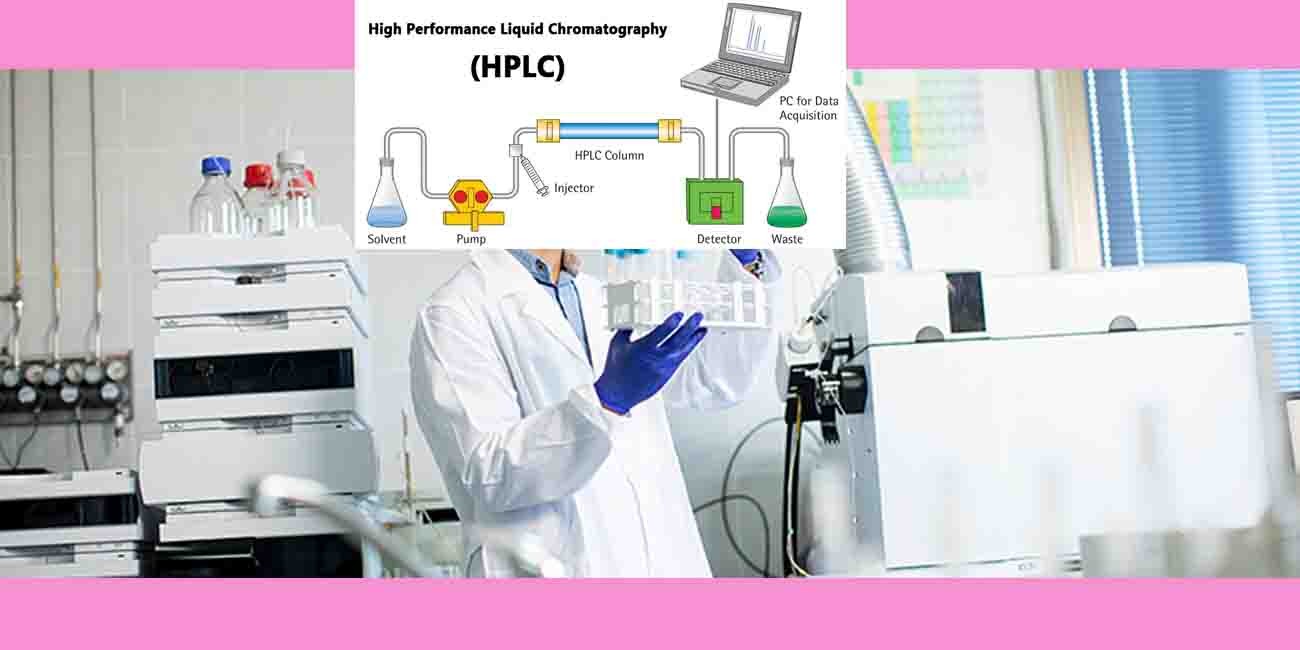
11.
Mobile
Phase Reservoirs: Contain polar solvents that
facilitate the movement of analytes through the system.
12.
High-Pressure
Pump: Ensures consistent flow and
pressure, which is essential for maintaining reproducibility in results.
13.
Sample
Injector: Introduces the sample into the
system, enabling automated analysis for high-throughput labs.
14.
Column: The core of the RP-HPLC system, where separation occurs.
Reverse-phase columns such as C18 are typically used to retain nonpolar
compounds.
15.
Detector: Identifies and quantifies the separated compounds, often
paired with MS detectors for enhanced sensitivity.
16.
Data System: Records and processes the chromatographic data,
transforming it into usable results for analysis.
Adding
the Thermo TSQ Quantum Discovery Max MS System to an
RP-HPLC setup provides an edge, allowing laboratories to detect trace levels of
compounds with precision and reliability.
The Role of the Thermo TSQ Quantum Discovery Max MS System
in Reverse Phase HPLC
The Thermo
TSQ Quantum Discovery Max MS System, offered by Ekra Cargo, significantly
enhances RP-HPLC by adding mass spectrometry capabilities. This integration
results in:
17.
Improved
Sensitivity: MS detection allows for the
quantification of analytes at very low concentrations, making it ideal for
trace analysis.
18.
Greater
Selectivity: MS detection provides selective
identification of analytes, reducing interference from other compounds.
19.
Comprehensive
Analysis: When used with RP-HPLC, the Thermo
TSQ Quantum Discovery Max MS System delivers high-resolution data, supporting
complex analytical needs.
20.
Efficient
Data Processing: Equipped with robust software,
this system enables efficient data analysis, allowing laboratories to maintain
productivity.
By pairing
RP-HPLC with advanced MS technology, labs can achieve more detailed insights
into sample composition, benefitting research, quality control, and product
development.
How to Choose the Right RP-HPLC System for Your Lab
When
selecting an RP-HPLC system, consider the following factors:
21.
Analytical
Requirements: Determine your specific analytical
needs, including the types of compounds and concentration ranges.
22.
Column
Compatibility: Ensure compatibility with RP-HPLC
columns, such as C18 or C8, to achieve the desired separation.
23.
Detection
Requirements: If trace analysis is required,
consider an MS detection system for enhanced sensitivity.
24.
Data
Management: Select systems with advanced data
processing software to facilitate efficient analysis and data interpretation.
25.
Operational
Needs: Assess the system’s throughput and
automation capabilities to match your lab’s workflow demands.
For labs
that require enhanced sensitivity and precision, Ekra Cargo’s Thermo TSQ Quantum Discovery Max MS System is an
ideal addition to RP-HPLC setups, enabling higher-quality analysis.
Conclusion
Reverse
Phase HPLC (RP-HPLC) is a versatile, reliable, and efficient method widely used
in chromatography to separate and analyze nonpolar compounds. By choosing the
right system and components, laboratories can achieve accurate and reproducible
results for a variety of applications. Adding Ekra Cargo’s Thermo TSQ Quantum Discovery Max MS System to an
RP-HPLC setup enhances sensitivity and selectivity, making it ideal for complex
and trace-level analyses.
Ekra Cargo
is committed to delivering high-quality chromatography solutions. To explore
the Thermo TSQ Quantum Discovery Max MS System and its benefits for RP-HPLC,
visit our website here.


Ekracargo.com - Your trusted partner in industrial efficiency, providing a wide range of premium quality spare parts at competitive prices.
Contact Info
- Address: House 54 | Road 14 | Sector 14 | Uttara | Dhaka 1230 | Bangladesh
- Phone: Contact: +8801634736139 (WhatsApp) ,+8801789394669 (WhatsApp)
- Email: info@ekracargo.com