




The Ultimate Guide to Tablet Quality Control Testing: Ensuring Safety and Efficacy | Best Rates | Buying Guide | Detailed Tips | Maintenance | FAQ |
The Ultimate Guide to Tablet Quality Control Testing: Ensuring Safety and Efficacy
In today’s pharmaceutical and nutraceutical industries, ensuring the quality of tablets is crucial for patient safety and regulatory compliance. Poor-quality tablets can lead to ineffective treatment, adverse effects, or even legal consequences for manufacturers. This comprehensive guide will explore tablet quality control testing, its importance, key testing methods, product recommendations, and a buying guide to help you choose the right testing solutions—including our premium quality control test for tablets.
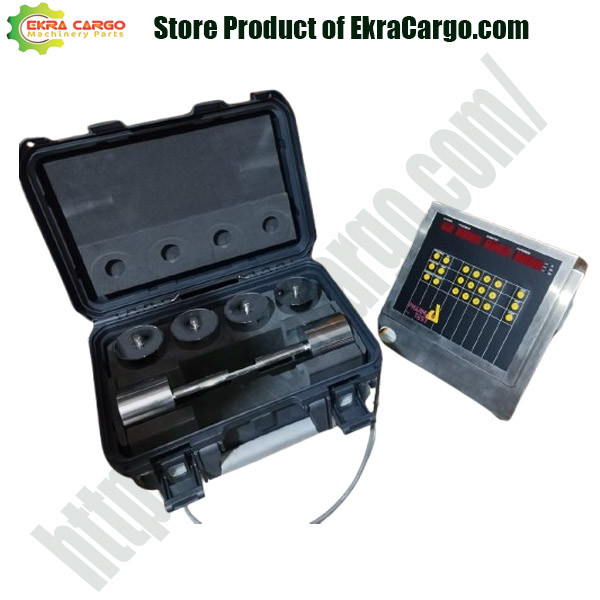
Check The Product At Ekra Cargo
Why Tablet Quality Control Testing Matters
Tablets are one of the most common dosage forms,
making quality control (QC) essential to:
✔ Ensure accurate dosage –
Each tablet must contain the correct amount of active pharmaceutical ingredient
(API).
✔ Maintain structural integrity – Tablets should resist chipping, cracking, or breaking
during handling.
✔ Guarantee dissolution & bioavailability – The tablet must dissolve properly to release the drug
effectively.
✔ Meet regulatory standards –
Compliance with FDA, WHO, and other regulatory bodies is mandatory.
Without proper QC testing, manufacturers risk product recalls, financial losses, and reputational damage.
Key Tablet Quality Control Tests
1. Hardness Testing
Purpose: Measures the tablet’s resistance to breaking under
pressure.
Recommended Tool: Monsanto Hardness Tester (Affordable but manual)
Pros:
·
Simple to use
·
Cost-effective
Cons:
·
Requires manual operation
·
Less precise than digital testers
Alternative: Dr. Schleuniger Pharmatron Tablet Hardness Tester (Automated
& high-precision)
2. Friability Testing
Purpose: Evaluates how much weight a tablet loses due to abrasion.
Recommended Tool: Electrolab EF-2 Friabilator
Pros:
·
Complies with USP/Ph. Eur. standards
·
Reliable results
Cons:
·
Higher initial cost
3. Disintegration Testing
Purpose: Ensures tablets break down within a specified time.
Recommended Tool: Electrolab ED-2L Disintegration Tester
Pros:
·
Multiple basket options
·
Digital controls
Cons:
·
Requires regular calibration
4. Dissolution Testing
Purpose: Checks drug release rate in a simulated biological fluid.
Recommended Tool: Agilent 708-DS Dissolution Apparatus (Industry
gold standard)
Pros:
·
Highly accurate
·
Automated sampling
Cons:
·
Expensive
5. Weight Variation Test
Purpose: Ensures uniform tablet weight.
Recommended Tool: Sartorius CPA Analytical Balance (Precision
weighing)
6. Thickness & Diameter Testing
Purpose: Maintains consistency in tablet dimensions.
Recommended Tool: Mitutoyo Digital Caliper (Budget-friendly option)
Introducing Our Premium Tablet Quality Control Test
Kit
While standalone equipment is useful, our Tablet Quality Control Test Kit offers an all-in-one solution for manufacturers who need fast, reliable, and cost-effective testing.
Why Choose Our Kit?
✅ Comprehensive
Testing – Covers hardness, friability, disintegration,
and more.
✅ Regulatory
Compliance – Meets USP, FDA, and ISO standards.
✅ User-Friendly – Minimal training required.
✅ Cost-Effective – Saves money compared to buying individual machines.
Pros:
✔
All essential tests in one package
✔
Compact & portable
✔
Ideal for small to mid-sized manufacturers
Cons:
✖
May not replace high-end lab equipment for large-scale production
[Call-to-Action] Ensure your tablets meet the highest standards—get our Quality Control Test Kit today!
Buying Guide: How to Choose the Right Tablet QC
Equipment
1. Assess Your Needs
·
Small labs: Opt for compact, multi-functional testers.
·
Large manufacturers: Invest in automated, high-throughput systems.
2. Check Compliance
Ensure equipment meets USP, Ph. Eur., or other relevant pharmacopeias.
3. Consider Budget
·
Entry-level: Manual testers (affordable but slower).
·
Mid-range: Semi-automated systems (balance of cost & efficiency).
·
High-end: Fully automated machines (best for large-scale QC).
4. Look for After-Sales Support
Choose suppliers offering calibration services, warranties, and technical support.
5. Read Reviews & Compare Brands
Check industry forums and customer feedback before
purchasing.
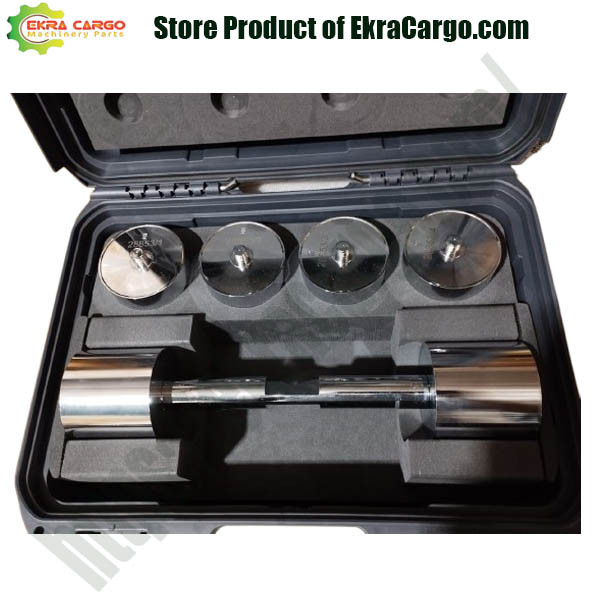
Check Product At Ekra Cargo
Final Thoughts
Quality control testing is non-negotiable in tablet manufacturing. Whether you're a startup or an established company, investing in reliable QC equipment—or our all-in-one test kit—can save you from costly errors and ensure product excellence.


Ekracargo.com - Your trusted partner in industrial efficiency, providing a wide range of premium quality spare parts at competitive prices.
Contact Info
- Address: House 54 | Road 14 | Sector 14 | Uttara | Dhaka 1230 | Bangladesh
- Phone: Contact: +8801634736139 (WhatsApp) ,+8801789394669 (WhatsApp)
- Email: info@ekracargo.com