





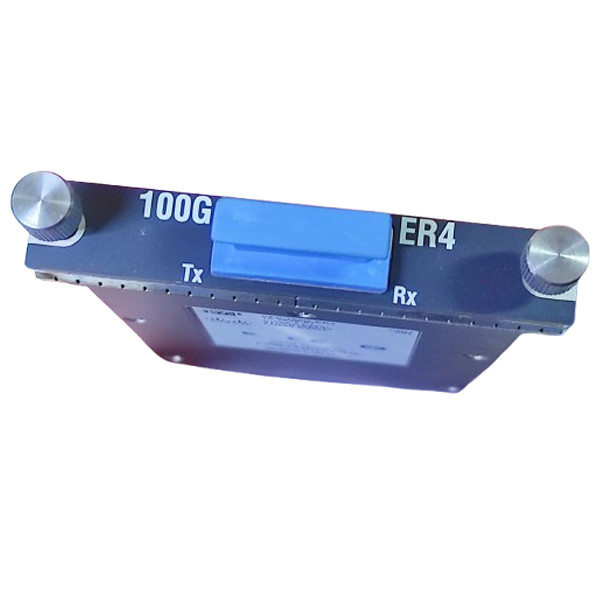
QSFP-40/100-SRBD vs QSFP-100G-SR1.2: What’s the Difference?
In high-speed connections within data centers, it is important to carefully select an optical module.Two popular models that have been used for comparisons are the QSFP-40/100-SRBD and the QSFP-100G-SR1.2,both meant for short-reach transmission using MMF.
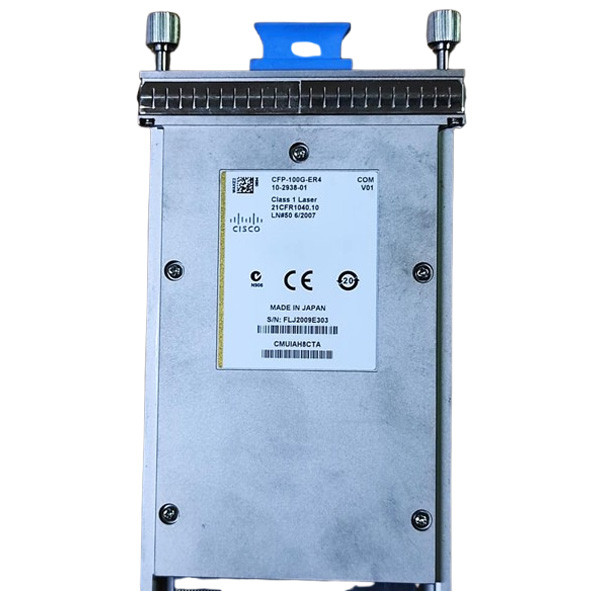
Check the similar product at Ekra Cargo
1. Data Rate and Compatibility
The QSFP-40/100-SRBD is a
bidirectional or dual-rate module as it can connect at either 40 Gbps or 100
Gbps.Thus,this module can be useful if you're upgrading from 40 Gbps to 100
Gbps as it can work at both speeds on fibers.
Secondly,the Cisco QSFP-100G-SR1.2 is a single-rate device that is only 100 Gbps. The device employs PAM4 and is capable of supporting full 100G transmission
2. Fiber and Distance Support In many
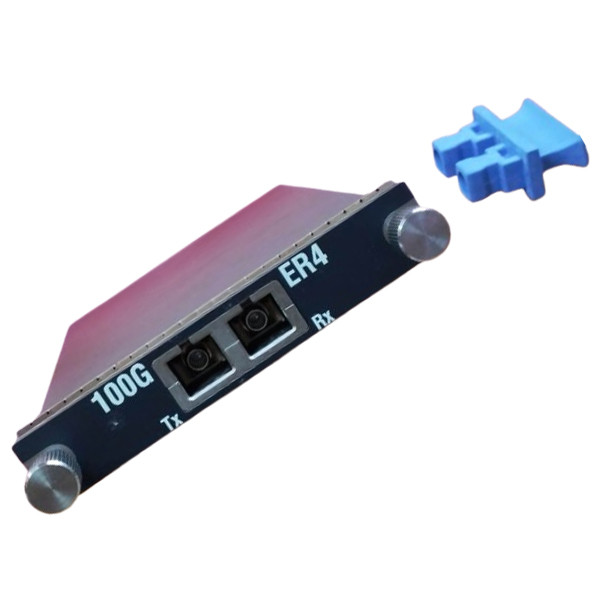
Both of them employ duplex LC connectors and function based on multimode fibers.The general signal range for each of them within a 100G environment is approximately 70 m on OM3 and a maximum of 100 to 150 m on OM4 fibers.
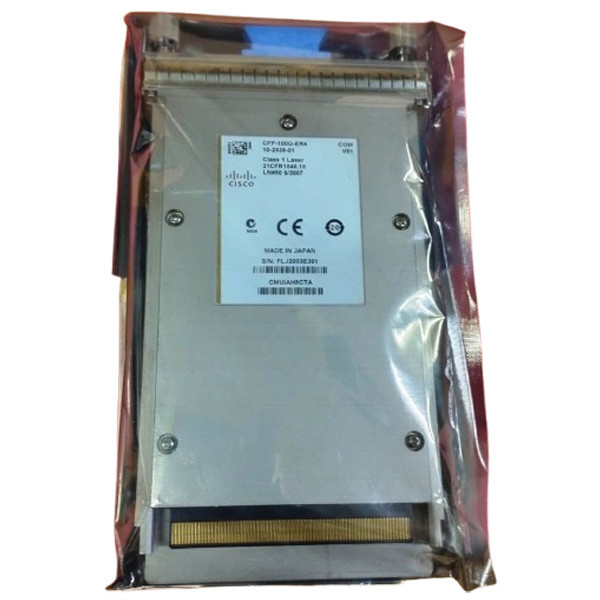
Check the product at Ekra Cargo
Cisco 3. Use Case Differences
QSFP-40/100-SRBD:
a good choice if you want the flexibility to migrate from 40G
to 100G while not requiring the use of new cable infrastructure. 6
QSFP-100G-SR1.2: Best used in environments where the use of only 100G
connections is a requirement and where the use of 40G connections Cisco


Ekracargo.com - Your trusted partner in industrial efficiency, providing a wide range of premium quality spare parts at competitive prices.
Contact Info
- Address: House 54 | Road 14 | Sector 14 | Uttara | Dhaka 1230 | Bangladesh
- Phone: Contact: +8801634736139 (WhatsApp) ,+8801789394669 (WhatsApp)
- Email: info@ekracargo.com