




Pump Shaft Price Guide What to Expect & How to Choose the Right One | FAQ |
Pump Shaft Price Guide: What to Expect & How to
Choose the Right One
If you're replacing or upgrading your pump shaft, you might be wondering—how much does a pump shaft really cost? Prices can vary widely depending on several factors, and knowing what to look for will save you time and money.
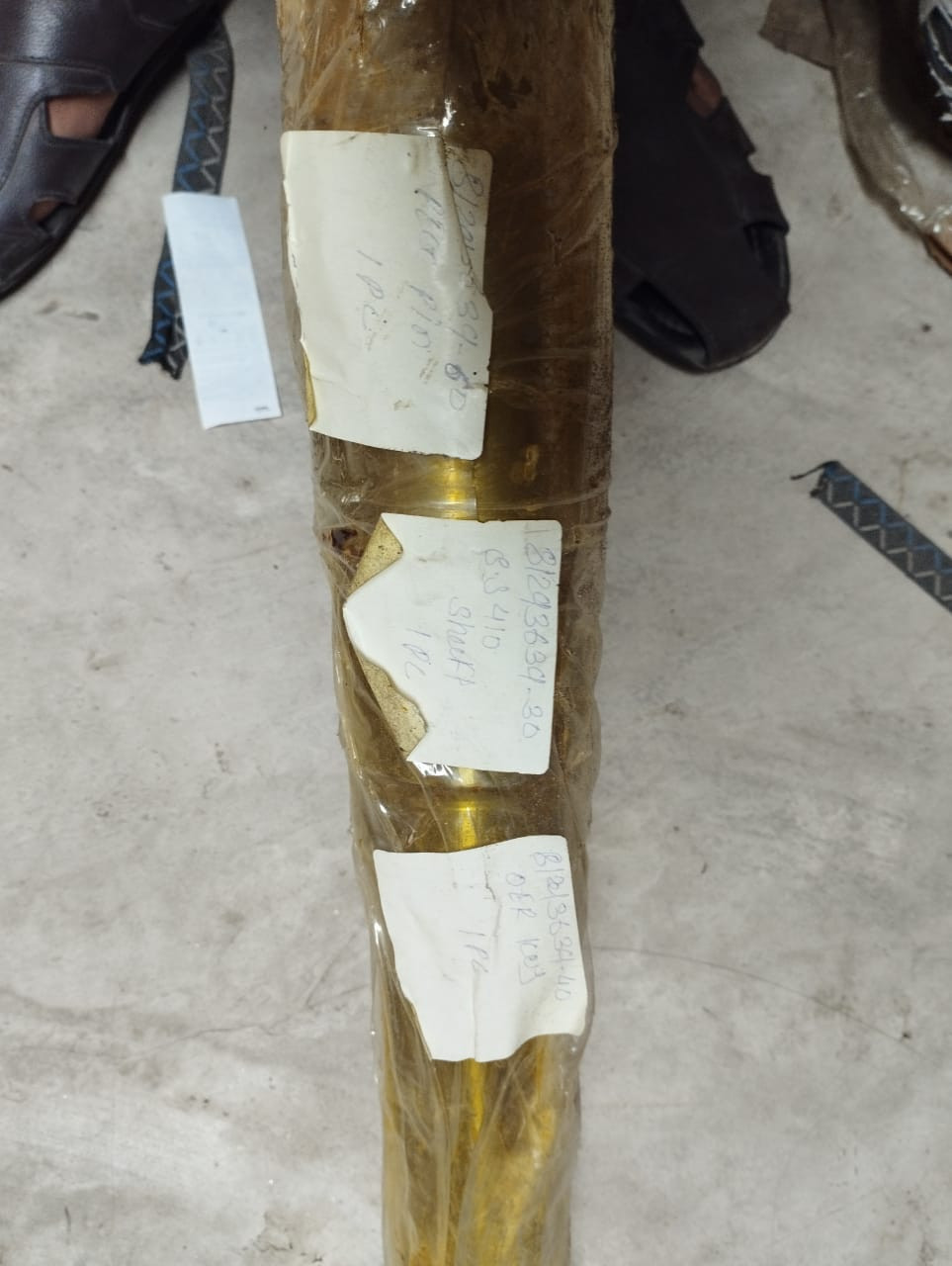
Check the product at Ekra Cargo
In this article, we’ll break down
everything you need to know about pump shaft prices, including:
- What affects pump shaft cost
- Different types of pump shafts
- Where to buy
- Recommended products
- A simple buying guide
- FAQs
Let’s dive in.
What Is a Pump Shaft?
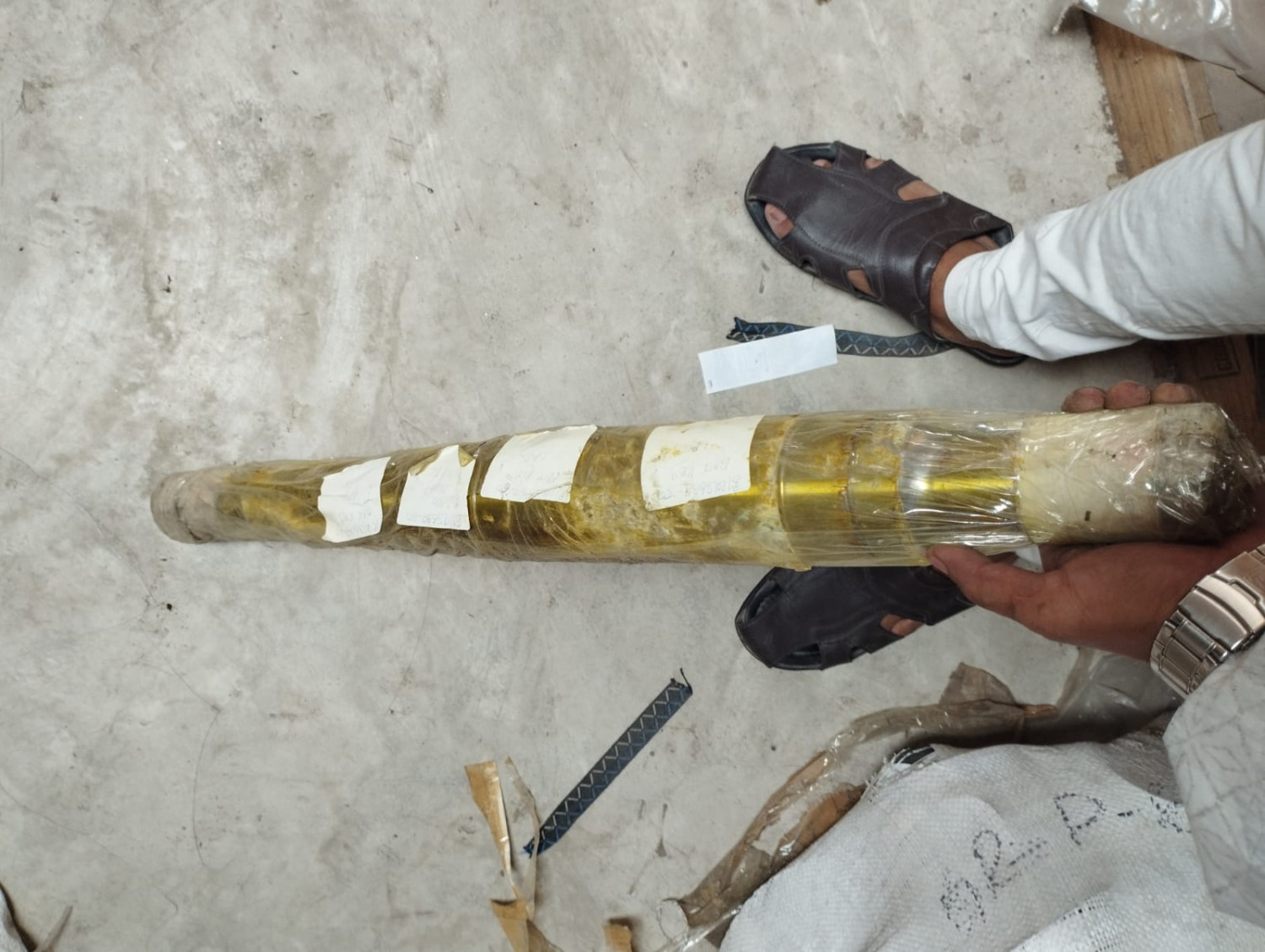
A pump shaft is a rotating
component that transmits power from the motor to the impeller in a pump. It
plays a critical role in fluid movement, alignment, and pump efficiency.
Without a reliable shaft, your
entire pumping system can fail.
Pump Shaft Price Range
Pump shaft prices typically range
from:
- $50 to $300
for standard stainless-steel shafts (used in small pumps)
- $300 to $800+
for custom shafts or high-grade alloys (used in heavy-duty or industrial
systems)
Price
Summary Table
|
Type |
Price
Range |
Typical
Use |
|
Stainless Steel (SS304) |
$50 - $150 |
Water pumps, domestic use |
|
SS316 (Corrosion-Resistant) |
$100 - $250 |
Chemical, marine applications |
|
Alloy Steel / Duplex |
$200 - $800+ |
High-pressure industrial pumps |
|
Custom Machined Shafts |
$500+ |
Industry-specific applications |
What Affects the Price of a Pump Shaft?
Several factors influence the cost
of a pump shaft:
1.
Material
- Stainless Steel
(SS304/SS316): Corrosion resistance, good for most applications.
- Alloy Steel / Duplex Steel: Used in high-stress environments.
2.
Size & Length
- Longer and thicker shafts require more material and
precision.
3.
Tolerances & Machining
- Custom-machined shafts cost more due to tight tolerance
and surface finish requirements.
4.
Quantity
- Bulk orders are cheaper per unit.
5.
Brand & Supplier
- OEM brands may charge more than third-party
manufacturers.
Top Pump Shaft Recommendations
Here are some popular pump shafts
available online and in stores:
1.
G&G Stainless Steel Pump Shaft (SS316)
- Price:
~$129
- Length:
18 inches
- Material:
SS316
- Use:
Water and light chemical applications
Pros:
- Corrosion-resistant
- Easy installation
- Affordable for the quality
Cons:
- Not suitable for high-pressure industrial pumps
2.
Pentair OEM Shaft Assembly
- Price:
~$280
- Material:
Stainless Steel
- Use:
Compatible with Pentair models
Pros:
- OEM fit
- Durable and well-machined
Cons:
- Expensive compared to generics
- Limited compatibility
3.
Custom Machined Alloy Shaft
- Price:
Starts at $500+
- Material:
Alloy Steel or Duplex
- Use:
Heavy-duty pumps in oil, gas, or mining
Pros:
- Built to exact specs
- High durability under stress
Cons:
- Long lead time
- Expensive upfront
Pump Shaft Buying Guide
Choosing the right pump shaft can
feel overwhelming, but here's a simple guide to help:
✅
1. Know Your Pump Type
Check your pump's model number and
specifications. OEM replacement parts are best if available.
✅
2. Choose the Right Material
- SS304
– Good for water and general fluids.
- SS316
– Best for slightly corrosive environments.
- Alloy Steel/Duplex
– Ideal for extreme pressure or corrosive fluids.
✅
3. Check Dimensions
Measure the length, diameter, and
fit tolerance. Even small deviations can affect performance.
✅
4. Buy from Reputable Sellers
Look for sellers with solid reviews,
warranties, and clear return policies.
✅
5. Consider Maintenance Costs
A slightly more expensive,
corrosion-resistant shaft can save you repair costs down the line.
Personal Experience: What I Learned
When I replaced the shaft in my old
irrigation pump, I went for a budget stainless-steel shaft from an online
store. It worked fine for a few months, but corrosion started showing up due to
the hard water in my area.
Lesson learned: Spend a little more
on better materials upfront. I switched to an SS316 shaft, and it’s been
running smoothly ever since—with zero rust after a year.
❓
Frequently Asked Questions (FAQs)
Q1:
Can I use a generic pump shaft instead of OEM?
Yes, but make sure the dimensions
and materials match exactly. OEM is often safer for performance.
Q2:
What is the most durable pump shaft material?
Duplex stainless steel and alloy
steel are the most durable, especially for harsh environments.
Q3:
Do all pump shafts rust?
Not if you choose
corrosion-resistant materials like SS316 or duplex steel.
Q4:
Where can I buy pump shafts online?
You can find pump shafts on
platforms like Amazon, eBay, Grainger, and industrial supply websites like
McMaster-Carr or DirectIndustry.
Q5:
Can I make a custom shaft?
Yes, many machine shops and industrial manufacturers offer custom shafts for specific applications.
Final Thoughts
Pump shaft prices vary a lot based
on material, size, and quality. If you’re on a budget, stainless steel shafts
offer great value for general use. For industrial or chemical-heavy
environments, invest in high-grade materials.
Always double-check compatibility, supplier credibility, and warranty terms before buying.


Ekracargo.com - Your trusted partner in industrial efficiency, providing a wide range of premium quality spare parts at competitive prices.
Contact Info
- Address: House 54 | Road 14 | Sector 14 | Uttara | Dhaka 1230 | Bangladesh
- Phone: Contact: +8801634736139 (WhatsApp) ,+8801789394669 (WhatsApp)
- Email: info@ekracargo.com