




Ultimate Guide to Pressure Gauges How to Choose the Right One for Your Needs | Best Rates | Buying Guide | Detailed Tips | Maintenance | FAQ |
Ultimate Guide to Pressure Gauges: How to Choose the Right One for Your Needs
Introduction: What is a Pressure Gauge?
A pressure
gauge is an essential instrument used to measure the force
exerted by a fluid (liquid or gas) in a system. Whether you're working in an
industrial plant, HVAC system, hydraulic setup, or even with tires and pumps,
pressure gauges help maintain operational safety, efficiency, and performance.
From mechanical analog meters to
high-tech digital sensors, pressure gauges come in many forms and functions.
Choosing the right one requires a basic understanding of how they work and
which features matter most.
In this blog, we’ll break down the types of pressure gauges, their applications, and help you choose the right product with our curated list of the best options available.
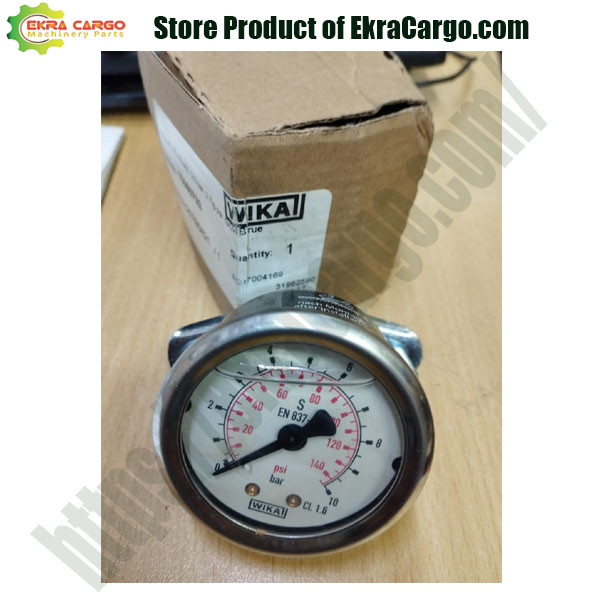
Check the product at Ekra Cargo
Why Are
Pressure Gauges Important?
Pressure gauges are used across
various industries, including:
·
Manufacturing
plants
·
HVAC
and refrigeration systems
·
Oil
& gas pipelines
·
Water
treatment plants
·
Automotive
maintenance
·
Pharmaceutical
industries
They help operators monitor system
pressure, detect leaks, avoid overpressurization, and ensure everything runs
safely.
Types of
Pressure Gauges
Let’s explore the most common
types of pressure gauges so you know what you’re looking for:
1. Mechanical
(Analog) Pressure Gauges
These are traditional dial-style
gauges that use mechanical parts to move a needle on a scale.
Best
For: Industrial machinery, water systems, HVAC
Pros:
·
No power source needed
·
Cost-effective
·
Reliable under rugged conditions
Cons:
·
Limited precision
·
Hard to integrate with digital systems
2. Digital
Pressure Gauges
Digital pressure gauges offer a
digital readout and often include features like memory, alarms, and data
logging.
Best
For: Laboratories, gas pressure monitoring, automotive diagnostics
Pros:
·
High accuracy
·
Easy to read
·
Some offer Bluetooth or data export
Cons:
·
Requires batteries or external power
·
More expensive than analog
3. Differential
Pressure Gauges
These measure the difference in
pressure between two points.
Best
For: Filter monitoring, air handling systems
Pros:
·
Great for detecting clogs and system blockages
·
Enables precise control
Cons:
·
More complex to install
·
Costlier than standard gauges
4. Vacuum
Gauges
Used to measure pressures below
atmospheric levels.
Best
For: Vacuum systems, lab testing, refrigeration
Pros:
·
Essential for vacuum system monitoring
·
Available in both analog and digital
Cons:
·
Must match the vacuum range carefully
·
Can be sensitive to contamination
Top Pressure
Gauge Recommendations
Below are top-rated pressure
gauges suitable for various needs. These products are selected based on user
reviews, performance, and reliability.
✅ 1.
Micro Control System Pressure Sensor Model MCS-500 (Made in USA)
Type:
Digital pressure sensor
Pressure Range: 0-500 psi
Accuracy: ±0.5%
Output: 4-20mA
Pros:
✔️
High precision for industrial use
✔️
Made in USA for reliable quality
✔️
Ideal for automation systems
Cons:
❌ Needs external power
❌ Slightly higher cost than analog options
Best
For: Oil & gas, chemical plants, automated machinery
✅ 2.
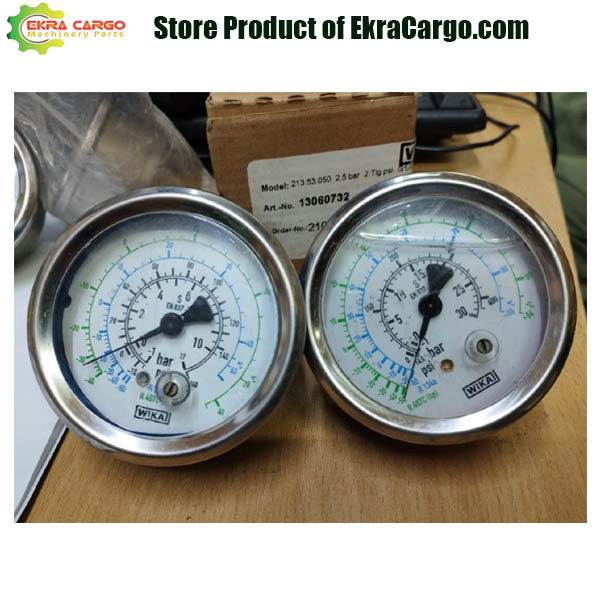
WIKA 213.53 Mechanical Pressure Gauge
Type:
Analog
Pressure Range: 0-300 psi
Connection: Bottom mount
Material: Stainless steel case
Pros:
✔️
Durable and shock-resistant
✔️
No need for power
✔️
Easy to install
Cons:
❌ Manual reading required
❌ No data logging capability
Best
For: HVAC, water pumps, boilers
✅ 3.
Ashcroft DG25 Digital Pressure Gauge
Type:
Digital
Pressure Range: Varies (multiple models)
Display: Backlit LCD
Accuracy: ±0.5%
Pros:
✔️
Clear, bright display
✔️
Battery-powered
✔️
Peak pressure reading
Cons:
❌ Batteries need replacement
❌ Not waterproof
Best
For: Field diagnostics, lab setups
Pressure
Gauge Buying Guide: What to Look For
Choosing the right pressure gauge
depends on the environment, application, and required accuracy. Here’s what you
need to consider:
✅ 1. Pressure
Range
Make sure the gauge can handle the
expected pressure in your system. Ideally, choose a gauge where your operating
pressure is in the middle of its range.
✅ 2. Accuracy
Digital gauges tend to be more
accurate. For critical applications like labs or high-risk environments, look
for ±0.5% accuracy or better.
✅ 3. Build
Material
Stainless steel casings and
internals resist corrosion and are preferred for harsh industrial environments.
✅ 4. Connection
Type
Common connections include bottom
or back mounting and thread sizes like ¼” NPT. Ensure compatibility with your
system.
✅ 5. Dial
Size or Display
Larger dials or digital displays
are easier to read, especially in dim environments.
✅ 6. Power
Source
Analog gauges don’t need power.
Digital ones may run on batteries or require external power—consider this for
remote installations.
✅ 7. Certifications
For industrial or international
use, look for certifications like CE,
ISO, or NIST traceability.
Applications
of Pressure Gauges
Understanding where and how
pressure gauges are used can help determine the right model:
|
Industry |
Application |
Recommended
Type |
|
Oil & Gas |
Monitoring pipeline pressure |
Digital/Industrial |
|
HVAC |
Refrigerant pressure monitoring |
Mechanical/Digital |
|
Automotive |
Tire & engine pressure |
Digital |
|
Manufacturing |
Hydraulic system monitoring |
Mechanical |
|
Water Systems |
Pump monitoring |
Mechanical |
|
Laboratories |
Vacuum or gas systems |
Digital/Vacuum gauges |
Tips for
Maintaining Your Pressure Gauge
To extend the lifespan and ensure
accurate readings:
·
Calibrate regularly – especially in critical
applications
·
Keep the sensor clean – avoid debris or moisture
entry
·
Check for leaks – pressure drops can affect
readings
·
Use a snubber – in systems with high vibration or
pressure spikes
·
Avoid temperature extremes – they can damage
internal parts
Final
Thoughts
A pressure
gauge is more than just a meter—it's a vital part of your
system’s health and safety. Whether you're running a factory, maintaining an
HVAC system, or testing car tires, having a reliable pressure gauge can save
you from costly breakdowns or hazardous situations.
By understanding the types,
features, and differences between models, you’ll be well-equipped to choose the
perfect pressure gauge for your specific needs.
Where to Buy
High-Quality Pressure Gauges
Looking for a trustworthy source
to buy your pressure gauges?
✅ Visit our online store to shop for the Micro Control System MCS-500 and other industry-grade pressure measurement tools. All products are verified, high-quality, and shipped across Bangladesh and beyond.
Frequently
Asked Questions (FAQs)
❓ What is the difference between a
pressure sensor and a pressure gauge?
A pressure
gauge displays pressure directly on a dial or screen, while a pressure sensor converts pressure into an
electrical signal, often for integration with automated systems.
❓ How often should I calibrate my
pressure gauge?
Calibration should be done every
6–12 months, or more frequently in critical environments.
❓ Can I use a pressure gauge for
both gas and liquid?
Yes, but ensure the materials are
compatible with the fluid type and that the gauge is rated for both gas and
liquid systems.
❓ Are digital pressure gauges
waterproof?
Some are, but not all. Check the IP rating to confirm waterproof capabilities.


Ekracargo.com - Your trusted partner in industrial efficiency, providing a wide range of premium quality spare parts at competitive prices.
Contact Info
- Address: House 54 | Road 14 | Sector 14 | Uttara | Dhaka 1230 | Bangladesh
- Phone: Contact: +8801634736139 (WhatsApp) ,+8801789394669 (WhatsApp)
- Email: info@ekracargo.com