




Pneumatic Positioner Types A Complete Guide for Beginners & Pros | FAQ |
Pneumatic Positioner Types: A Complete Guide for
Beginners & Pros
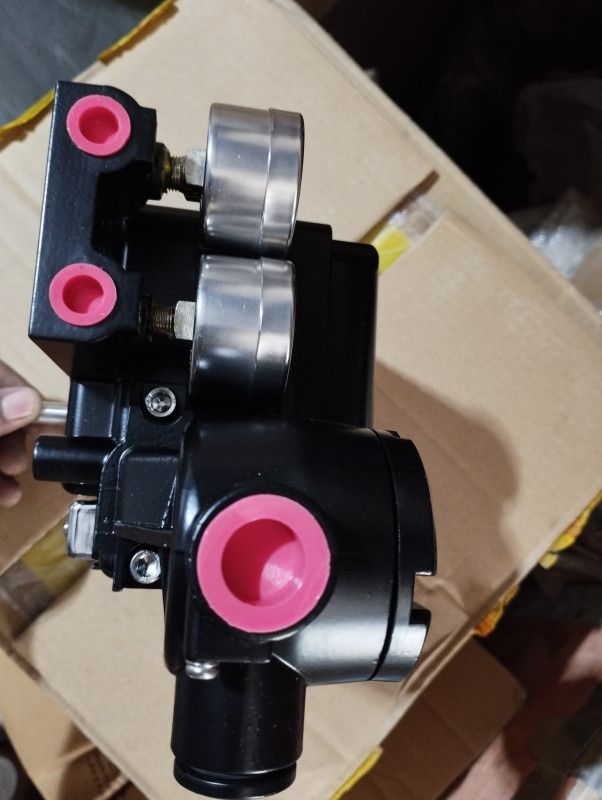
Pneumatic positioners play a
critical role in industrial automation. They help control valves function
accurately by ensuring the valve stem reaches the correct position. If you're
setting up or maintaining a process control system, understanding the types of
pneumatic positioners is key.
Whether you're a beginner or a seasoned engineer, this guide will walk you through the basics and beyond.
Check the product at Ekra Cargo
What
Is a Pneumatic Positioner?
A pneumatic positioner is a
device used in control valve systems. It receives a pneumatic signal (usually
3–15 psi) and moves the valve actuator to the correct position based on that
signal.
Why
Use a Positioner?
- Increases valve accuracy
- Reduces lag and hysteresis
- Helps handle friction in the actuator
- Improves process control
Main
Types of Pneumatic Positioners
There are several types of pneumatic
positioners, and each suits different applications. Here's a breakdown:
1.
Analog Pneumatic Positioners
These are the most common and basic
types. They receive a continuous air signal and adjust the valve accordingly.
Features:
- Uses mechanical linkages
- Simple and rugged design
- No electronics involved
Pros:
- Reliable and durable
- Cost-effective
- Easy to maintain
Cons:
- Less accurate in complex systems
- No digital communication
Best For: Basic process control in harsh environments
2.
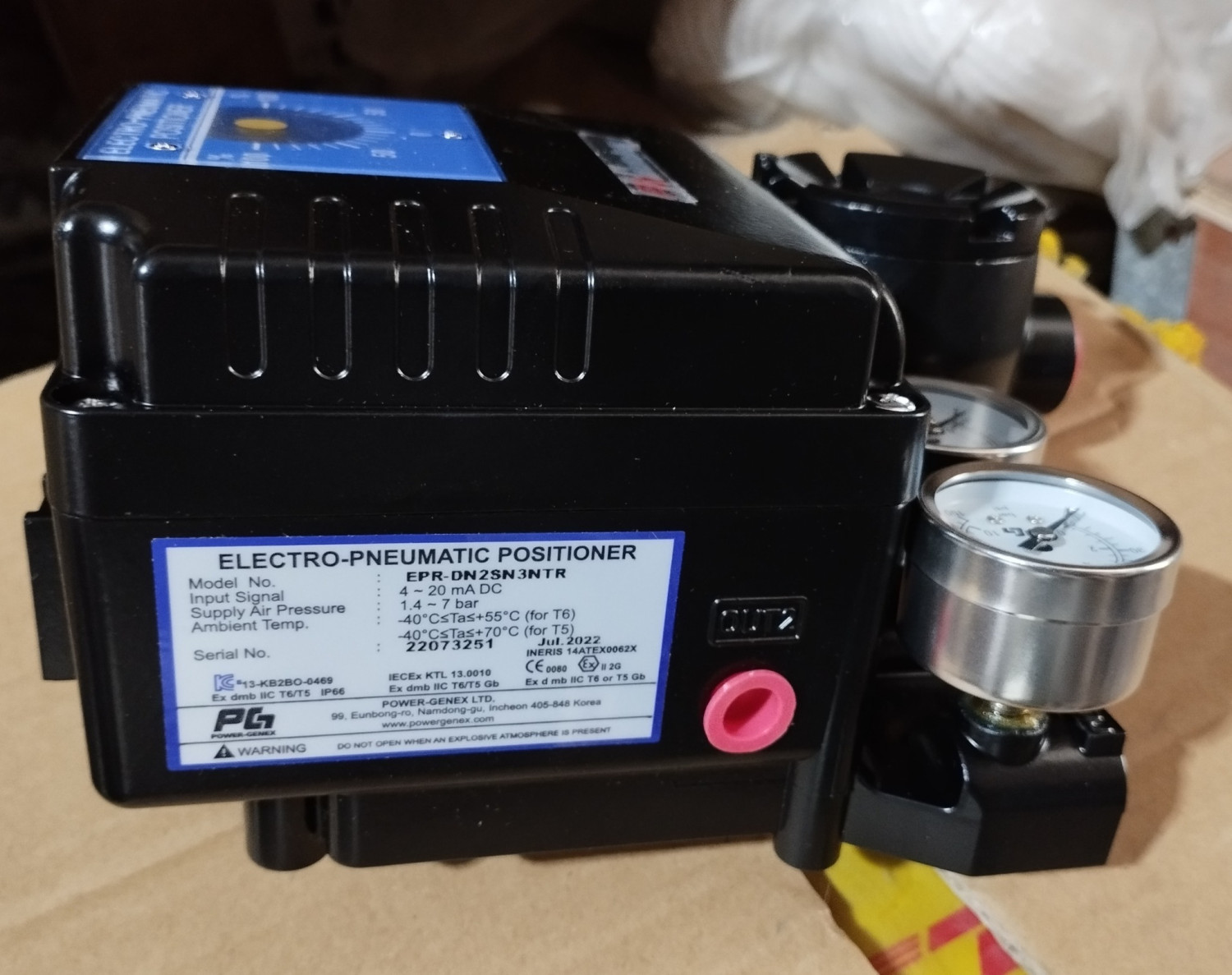
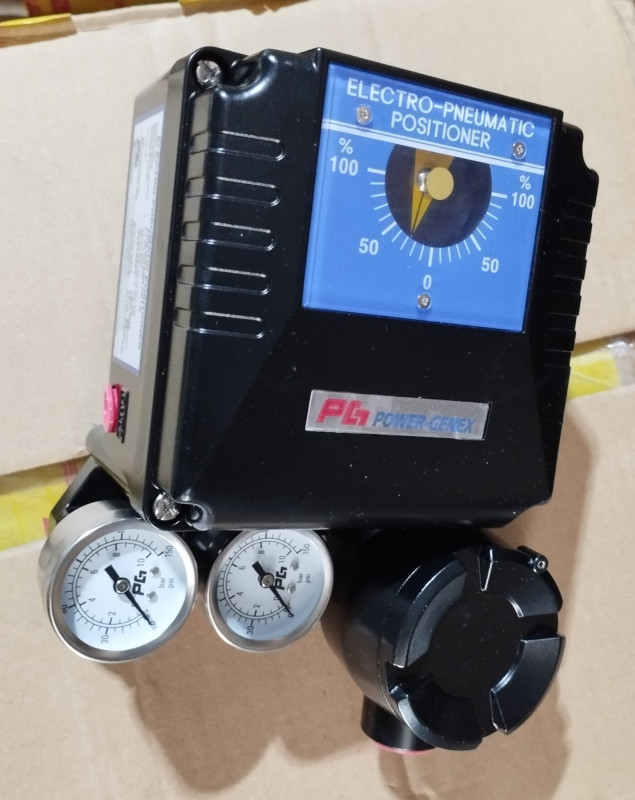
Electropneumatic Positioners (I/P Positioners)
These combine electronics and
pneumatics. They accept an electrical input signal (usually 4–20 mA) and
convert it into a pneumatic output.
Features:
- Better precision
- Works with modern control systems
- Converts current to pressure (I/P)
Pros:
- Suitable for automation
- High accuracy
- Can be integrated with PLC or DCS systems
Cons:
- More expensive
- Requires electrical supply
Best For: Systems needing better control and integration
3.
Digital Smart Positioners
These are advanced positioners with
built-in microprocessors. They offer communication protocols like HART,
Profibus, or Foundation Fieldbus.
Features:
- Self-calibration
- Diagnostics and remote monitoring
- Customizable settings
Pros:
- Excellent for predictive maintenance
- Higher efficiency and precision
- Easy to configure remotely
Cons:
- Higher initial cost
- Requires training to operate
Best For: Complex industrial systems and smart plants
Comparison
Table: Pneumatic Positioner Types
|
Type |
Signal
Type |
Precision |
Maintenance |
Cost |
Application |
|
Analog Pneumatic |
3–15 psi |
Medium |
Low |
Low |
Simple systems |
|
Electropneumatic (I/P) |
4–20 mA |
High |
Medium |
Medium |
Automated processes |
|
Digital Smart |
Digital (HART) |
Very High |
Low |
High |
Smart industrial setups |
Buying
Guide: How to Choose a Pneumatic Positioner
Before buying a pneumatic
positioner, keep the following in mind:
1.
Control Signal Compatibility
Know whether your system uses
pneumatic (3–15 psi), electric (4–20 mA), or digital signals.
2.
Valve Type
Some positioners work better with
rotary valves, while others suit linear ones. Check compatibility.
3.
Environment
Harsh or hazardous environments need
explosion-proof and weather-resistant positioners.
4.
Accuracy Requirements
Digital models offer higher
precision and diagnostics for complex applications.
5.
Budget
Don’t overpay for features you don’t
need. For basic systems, analog works just fine.
Recommended
Products
Fisher 3582i Pneumatic Positioner (Analog)
Pros:
- Proven reliability
- Easy installation
- Great for general service
Cons:
- No digital feedback
- Manual calibration required
Ideal For: Budget-conscious users with simple setups
Siemens SIPART PS2 (Digital Smart)
Pros:
- HART-enabled
- Built-in diagnostics
- Automatic calibration
Cons:
- Expensive
- More complex to set up
Ideal For: Plants requiring advanced automation and monitoring
ABB TZIDC (Electropneumatic)
Pros:
- Compact design
- Supports HART protocol
- Cost-effective for mid-range systems
Cons:
- Not as robust as analog in tough conditions
Ideal For: Medium complexity applications
My
Personal Experience
In one of our food processing
projects, we installed analog positioners on steam valves. They worked
great and were simple to maintain. But when we upgraded to a fully automated
plant, we switched to digital smart positioners for remote monitoring.
The key takeaway? Match the
positioner type to your system's complexity and needs.
Frequently
Asked Questions (FAQs)
❓
What is the difference between pneumatic and electropneumatic positioners?
Pneumatic positioners use air signals only, while electropneumatic ones
accept an electrical input and convert it into a pneumatic output.
❓
Can I use a digital positioner in a hazardous area?
Yes, but make sure it is explosion-proof
and certified for hazardous locations (e.g., ATEX, FM).
❓
How often should I calibrate my positioner?
- Analog:
Once or twice a year
- Digital:
Less frequently, thanks to self-calibration
❓
Is a smart positioner worth the extra cost?
If you're running a complex or large-scale operation, absolutely yes. The diagnostics alone can save you from unexpected downtime.
Conclusion
Choosing the right type of pneumatic
positioner can improve your system’s efficiency, accuracy, and reliability.
From basic analog models to advanced digital smart units, there's something for
every budget and application.
Whether you're just starting or upgrading your process control system, use this guide to make an informed decision.


Ekracargo.com - Your trusted partner in industrial efficiency, providing a wide range of premium quality spare parts at competitive prices.
Contact Info
- Address: House 54 | Road 14 | Sector 14 | Uttara | Dhaka 1230 | Bangladesh
- Phone: Contact: +8801634736139 (WhatsApp) ,+8801789394669 (WhatsApp)
- Email: info@ekracargo.com