




Pneumatic Air Cylinder Complete Guide for Beginners & Pros | FAQ |
Pneumatic Air Cylinder: Complete Guide for Beginners
& Pros
Pneumatic air cylinders are
essential components in modern automation. Whether you're working on factory
machinery or DIY automation, these compact powerhouses make motion smooth and
reliable.
In this guide, you'll learn what pneumatic cylinders are, how they work, where to use them, and which ones are worth buying.

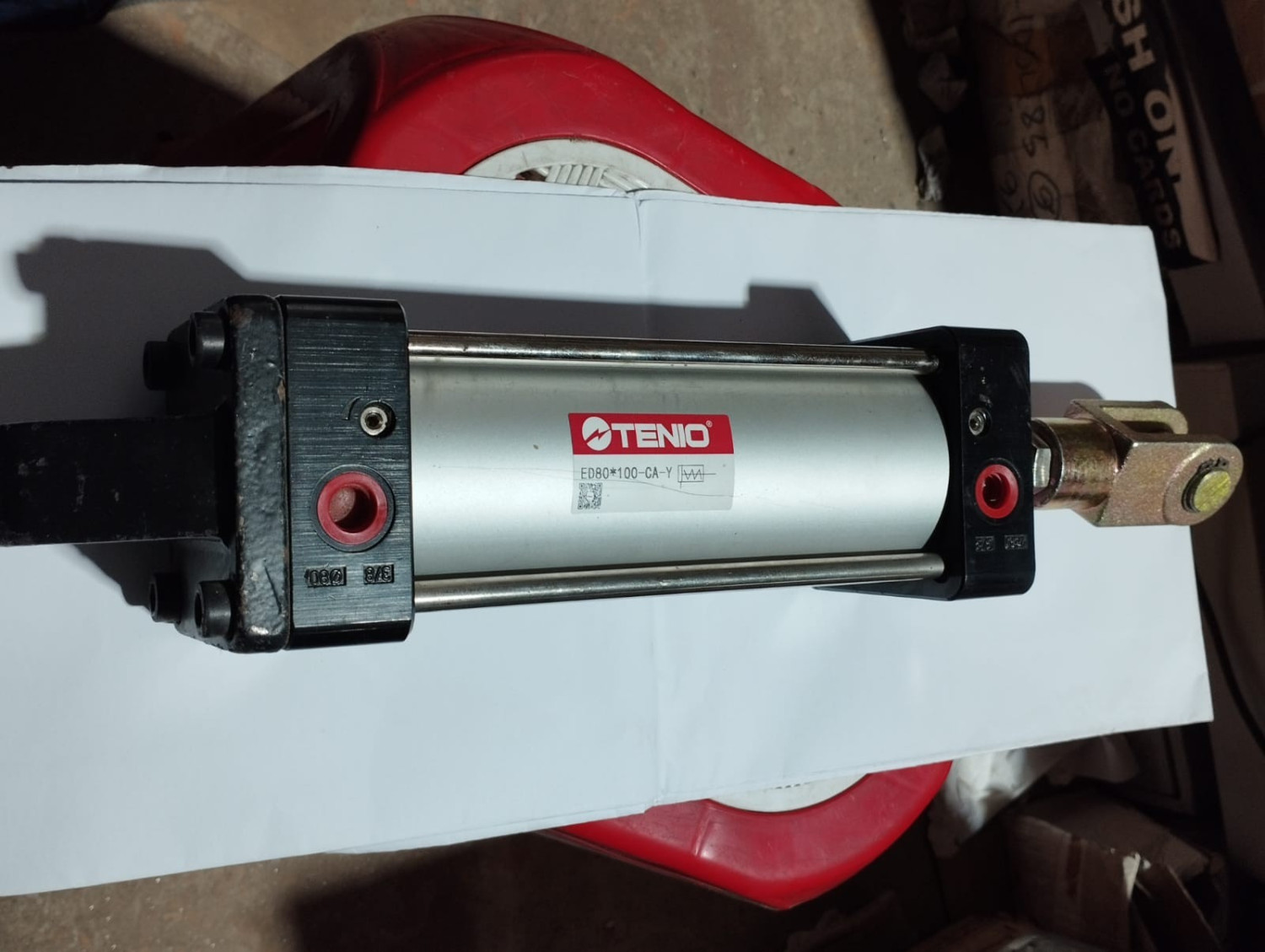
Check the product at Ekra Cargo
What
is a Pneumatic Air Cylinder?
A pneumatic air cylinder
(also called an air actuator or air piston) is a mechanical
device that uses compressed air to create linear or rotary motion.
These cylinders convert the pressure
of compressed air into a mechanical force. That force is then used to push,
pull, lift, or clamp components in various systems.
How
Do Pneumatic Cylinders Work?
Here's the simple process:
1.
Compressed
air enters the cylinder chamber.
2.
It pushes the piston inside
the cylinder forward or backward.
3.
The piston rod moves,
creating linear motion.
4.
When the air exits, a spring or air
pressure returns the piston to its original position.
This makes them ideal for
applications requiring repetitive motion.
Types
of Pneumatic Air Cylinders
Understanding the types will help
you choose the right one for your project.
1.
Single-Acting Cylinder
- Uses air pressure in one direction only.
- A spring returns the piston to its original position.
- Best for
simple tasks like clamping or lifting.
2.
Double-Acting Cylinder
- Uses air pressure in both directions.
- Offers more control and force.
- Best for
heavy-duty or precise operations.
3.
Rodless Cylinder
- No external rod.
- Internal piston moves with magnetic coupling or
mechanical linkage.
- Best for
space-saving designs.
4.
Telescopic Cylinder
- Multiple piston stages for extended reach.
- Best for
compact storage with long strokes.
Common
Applications
Pneumatic cylinders are used across
many industries:
- Manufacturing:
Machine automation, packaging, cutting.
- Automotive:
Assembly lines, lifting systems.
- Food Industry:
Clean, fast-motion packaging.
- DIY Projects:
Robotics, CNC machines, garage doors.
Top
Pneumatic Air Cylinders to Consider
Here are some recommended pneumatic
cylinders, with pros and cons for each.
1. Airtac SC32X100 Standard Cylinder
Specs:
- Bore: 32mm
- Stroke: 100mm
- Type: Double-acting
Pros:
- Durable build quality
- Affordable
- Easy to install
Cons:
- May require separate mounting hardware
- Not ideal for very high-speed use
2. Festo DSNU Series
Specs:
- Stainless steel body
- ISO compliant
- Wide stroke range
Pros:
- High reliability
- Excellent sealing
- Lightweight
Cons:
- Higher price point
- Limited availability in local stores
⚙️
3. SMC CQ2 Compact Cylinder
Specs:
- Ultra-compact design
- Bore sizes from 12mm to 100mm
Pros:
- Saves space
- Excellent for tight machinery
- Available in many configurations
Cons:
- Lower thrust force due to compact size
- Requires precise air pressure regulation
Buying
Guide: What to Look For
When choosing a pneumatic cylinder,
consider the following:
✅
1. Bore Size
- Larger bore = more force.
- Match it to your load requirements.
✅
2. Stroke Length
- How far the piston needs to move.
- Too short? It won’t reach. Too long? Wasted space.
✅
3. Mounting Type
- Choose from front flange, rear clevis, foot mount, etc.
- Affects how and where it can be installed.
✅
4. Operating Pressure
- Most cylinders operate between 3–10 bar.
- Check your compressor specs.
✅
5. Material
- Aluminum:
Lightweight and corrosion-resistant.
- Stainless Steel:
Best for harsh or clean environments.
✅
6. Cushioning
- Air cushioning protects the cylinder at stroke ends.
- Reduces noise and wear.
Pros
and Cons of Pneumatic Cylinders
Here’s a quick overview:
Pros:
- Fast and responsive
- Inexpensive compared to electric or hydraulic actuators
- Easy to maintain
- Safe for hazardous environments
Cons:
- Requires a constant air supply
- Not suitable for very heavy loads
- Less precise than electric actuators
Personal
Experience
I’ve used pneumatic air cylinders in
several DIY automation projects and small production lines. One of my favorite
setups included an Airtac double-acting cylinder to automate a cutting
blade. It worked flawlessly for over a year with minimal maintenance. I
recommend adding a filter-regulator-lubricator (FRL) unit for long-term
reliability.
If you're just starting out, pick a
compact double-acting cylinder—it offers the most flexibility for testing and
learning.
FAQs
About Pneumatic Air Cylinders
❓
What’s the difference between single-acting and double-acting cylinders?
Single-acting uses air pressure in
one direction; double-acting uses it in both directions, offering more control
and force.
❓
Do I need a compressor to run a pneumatic cylinder?
Yes. Pneumatic cylinders need
compressed air, which is usually supplied by an air compressor.
❓
How do I control a pneumatic cylinder?
You use solenoid valves to
direct air in and out of the cylinder. These can be controlled by a PLC or
manual switch.
❓
Can pneumatic cylinders be used outdoors?
Yes, but choose models with weather-resistant
seals and corrosion-resistant materials like stainless steel.
❓
How long do pneumatic cylinders last?
With proper maintenance and clean air supply, they can last for millions of cycles.
Final
Thoughts
Pneumatic air cylinders are an
affordable, powerful, and reliable option for a wide range of automation needs.
Whether you're building a robot arm or upgrading a factory line, choosing the
right cylinder makes all the difference.
Remember:
- Know your application
- Match the specs
- Consider air quality and pressure
Once set up properly, these devices offer years of efficient performance.


Ekracargo.com - Your trusted partner in industrial efficiency, providing a wide range of premium quality spare parts at competitive prices.
Contact Info
- Address: House 54 | Road 14 | Sector 14 | Uttara | Dhaka 1230 | Bangladesh
- Phone: Contact: +8801634736139 (WhatsApp) ,+8801789394669 (WhatsApp)
- Email: info@ekracargo.com