




The Critical Role of Hardness Testing in Pharma: Beyond the Pfizer Tablet Hardness Tester
In the highly regulated world of pharmaceutical
manufacturing, every single tablet that leaves a production line carries a
profound responsibility: to deliver a precise dose of active ingredient in a
safe, stable, and bioavailable form. The integrity of this solid dosage form is
not just a matter of compliance; it's a matter of patient safety and
therapeutic efficacy. At the heart of ensuring this integrity lies a
fundamental test: tablet hardness.
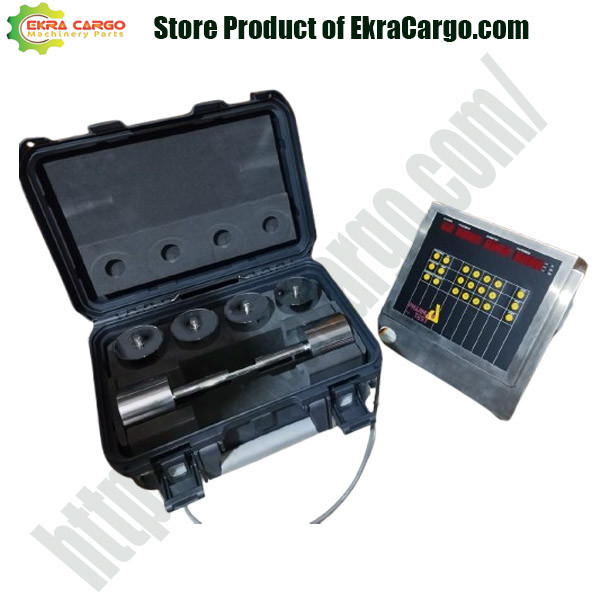
For decades, the
name Pfizer tablet hardness tester has been
synonymous with reliability and precision in this field. While the term is
often used generically, it points to a legacy of robust, mechanical instruments
that set the standard for measuring a tablet's resistance to crushing. This
measurement is crucial because tablet hardness directly influences critical
quality attributes like friability (the tendency to chip or break), dissolution
(how the tablet breaks down in the body), and ultimately, the stability and
shelf-life of the product.
However, the
modern pharmaceutical landscape demands more than just manual, standalone
checks. It requires integrated, automated, and data-rich systems that ensure
consistency, reduce human error, and provide comprehensive audit trails. This
is where the legacy of the classic Pfizer tablet hardness tester meets
the future of pharmaceutical quality control.
Why Tablet Hardness is a Non-Negotiable Quality
Metric
Think of a tablet's hardness as its structural backbone. If it's too soft, it may not survive the rigors of packaging, shipping, and handling, leading to chipping, breaking, and potential dose inaccuracy. This is measured by a friability test. If it's too hard, it may not disintegrate properly within the specified time in the gastrointestinal tract, impairing the drug's absorption and rendering it less effective—a critical factor measured by dissolution testing.
Ready to modernize your pharmaceutical quality
control lab? Explore our advanced automated solutions and discover how we can
help you build a stronger foundation for your products. Visit our product page
to learn more about the Pharma Test Automated Tablet
Testing Instruments and contact our experts for a consultation
today.
Therefore,
hardness testing is not an isolated check but a central pillar in a network of
interrelated quality control tests. A modern approach understands that
optimizing hardness is key to:
1. Patient Compliance: A tablet that is too hard can be
difficult for elderly or ill patients to swallow.
2. Production Efficiency: Monitoring hardness in real-time
can signal issues with the compression process during manufacturing, allowing
for immediate corrective action and reducing waste.
3. Regulatory Compliance: Agencies like the FDA and EMA
mandate strict controls over Critical Process Parameters (CPPs) and Critical
Quality Attributes (CQAs), with hardness being a key parameter.
The Evolution from Manual to Automated Testing
The traditional
manual hardness tester, like the historic Pfizer model, operates on a simple
yet effective principle: a tablet is placed between two jaws, and force is
applied until the tablet fractures. The instrument displays the force required,
typically in kiloponds (kp) or Newtons (N).
While these
instruments are foundational, they come with limitations:
·
Operator Variability: Different technicians may apply slightly different
techniques.
·
Time-Consuming: Testing a statistically significant sample size manually
is slow.
·
Data Management Challenges: Recording results manually is
prone to errors and makes trend analysis cumbersome.
The industry has
evolved towards automation to overcome these challenges. Automated tablet
testing instruments integrate hardness, diameter, and thickness testing into a
single, high-throughput system. They can test hundreds of tablets per hour with
unparalleled precision, automatically recording every data point and generating
comprehensive reports for regulatory review.

Comprehensive Quality Control: It's More Than
Just Hardness
While hardness
is critical, it's only one piece of the puzzle. A robust Quality Control (QC)
lab must evaluate several other parameters to guarantee a tablet's quality. A
world-class automated system doesn't just stop at hardness; it often integrates
or works in tandem with other essential testing apparatus:
·
Dissolution Testers: These instruments simulate how a tablet dissolves in the
human body, confirming that the active pharmaceutical ingredient (API) is
released at the correct rate and extent. This is arguably the most important
test for predicting in-vivo performance.
·
Friability Testers: This test assesses a tablet's ability to withstand
abrasion and shock during packaging and shipping. By tumbling a sample of
tablets in a drum, technicians can measure the weight loss, ensuring the
tablets are robust enough for the commercial supply chain.
·
Disintegration Testers: For some tablets, the first step is simply to break
apart in fluid. Disintegration testers verify that a tablet disintegrates
completely within a specified time frame in a simulated gastric or intestinal
fluid.
Selecting the Right Modern Testing
Instrumentation
When looking to
upgrade from a manual system, it's crucial to select modern instrumentation
that meets the demands of today's regulatory and production environments. The
ideal automated tablet testing system should be evaluated based on several key
features:
·
High-Throughput Automation: The system should significantly
increase testing capacity, freeing up valuable lab technician time for more
complex analytical tasks.
·
Unmatched Precision and Accuracy: It must eliminate operator-induced
variability to ensure that every measurement is consistent and reliable.
·
Seamless Data Integrity: A critical feature is the ability to automatically
capture, store, and export all test data. This built-in functionality is
essential for supporting 21 CFR Part 11 compliance, ensuring your data is
secure, traceable, and audit-ready.
·
Multi-Parameter Testing: Look for systems that can measure hardness,
thickness, and diameter simultaneously, providing a complete physical profile
of each tablet in a single operation.
·
User-Friendly Operation: Intuitive software interfaces are vital for
allowing operators to easily set up test parameters, run batches, and generate
detailed reports without a steep learning curve.
By investing in
such technology, you are not just replacing an old Pfizer tablet
hardness tester; you are upgrading your entire quality control
paradigm. You are moving from a reactive "test-and-release" model to
a proactive process of continuous quality verification.
Conclusion: Building a Foundation of Quality
The journey of a
tablet, from powder blend to a packaged product in a patient's hand, is
underpinned by rigorous quality control. Hardness testing remains a cornerstone
of this process, a principle perfectly encapsulated by the enduring reference
to the Pfizer tablet hardness tester.
However, to stay competitive, ensure absolute compliance, and guarantee patient safety, embracing automation is no longer an option—it's a necessity. Integrating advanced, automated systems ensures that every batch of tablets produced meets the highest possible standards of quality, safety, and efficacy, building a stronger, more reliable foundation for pharmaceutical products and patient trust worldwide.


Ekracargo.com - Your trusted partner in industrial efficiency, providing a wide range of premium quality spare parts at competitive prices.
Contact Info
- Address: House 54 | Road 14 | Sector 14 | Uttara | Dhaka 1230 | Bangladesh
- Phone: Contact: +8801634736139 (WhatsApp) ,+8801789394669 (WhatsApp)
- Email: info@ekracargo.com