




The Essential Guide to PCR Machine Uses: Applications in Modern Labs
What
Is a PCR Machine and How Does It Work?
A PCR machine, also known as a
thermal cycler, is a laboratory device used to amplify DNA and RNA samples. PCR
works by repeatedly heating and cooling samples in a controlled cycle to enable
DNA replication. This process results in the exponential growth of specific DNA
segments, making them easier to study and analyze.
Key
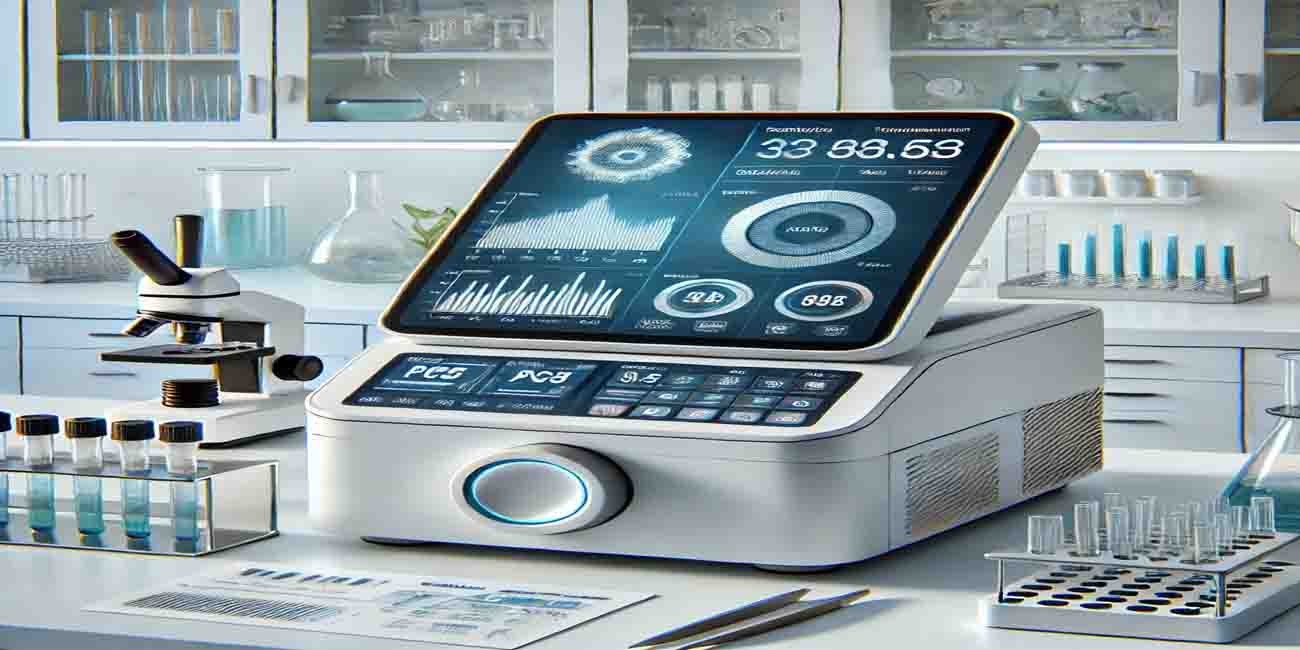
PCR Machine Components:
- Thermal Blocks:
Hold the samples and control temperature during each cycle.
- Cycling Software:
Programmed for precise temperature changes and timings.
- Display Interface:
Allows users to set up, monitor, and customize protocols.
Main
PCR Machine Uses and Applications
1.
Medical Diagnostics
One of the most critical uses of PCR
machines is in medical diagnostics. PCR allows for the rapid detection of
infectious diseases and pathogens, making it a cornerstone of modern medical
testing.
Examples of Medical Applications:
- COVID-19 Testing:
PCR is the gold standard for diagnosing COVID-19 due to its accuracy and
sensitivity.
- HIV and Hepatitis Testing: Detecting viral DNA and RNA helps manage treatment
and monitor disease progression.
- Tuberculosis and Malaria: PCR aids in the diagnosis of these diseases by
detecting their genetic material.
Benefits:
- High sensitivity and accuracy.
- Quick results, enabling timely medical interventions.
- Can detect low levels of pathogens, even during early
stages of infection.
2.
Genetic Research and Studies
PCR machines are indispensable in
genetic research, where they are used to study DNA, identify genetic
variations, and analyze gene expression.
Applications in Genetics:
- Gene Cloning:
PCR amplifies target genes for cloning into vectors.
- DNA Sequencing:
Assists in preparing DNA samples for sequencing.
- Genetic Marker Identification: Helps identify traits in plants, animals, and humans.
Advantages:
- Facilitates large-scale genomic projects and studies.
- Helps in the identification of genetic disorders and
potential treatments.
3.
Forensic Science
PCR is a crucial tool in forensic
science, where it helps amplify DNA from crime scenes to identify suspects or
victims.
How PCR is Used in Forensics:
- DNA Profiling:
Creates unique genetic profiles for individuals.
- Crime Scene Investigation: Extracts and amplifies trace DNA found on items such
as clothing, weapons, or surfaces.
- Paternity Testing:
Confirms biological relationships through DNA comparison.
Impact:
- Enhances the accuracy of investigations.
- Can be used with very small or degraded DNA samples.
4.
Food Safety and Quality Control
PCR machines are increasingly being
used in the food industry to test for contaminants, pathogens, and genetic
modifications.
Food Applications:
- Pathogen Detection:
Identifies harmful bacteria like E. coli, Salmonella, and Listeria.
- Food Authenticity Testing: Verifies the origin and quality of food products.
- GMO Detection:
Checks for the presence of genetically modified organisms in food.
Benefits:
- Ensures public safety and compliance with regulations.
- Reduces the risk of foodborne illnesses.
5.
Environmental Testing
PCR technology helps monitor and
manage environmental health by detecting harmful organisms in soil, water, and
air.
Uses in Environmental Science:
- Water Quality Testing:
Identifies pathogens and pollutants in water sources.
- Soil Analysis:
Detects soil-borne pathogens affecting crops.
- Air Quality Monitoring: Assists in identifying airborne pollutants and
allergens.
Advantages:
- Quick and reliable detection of environmental
contaminants.
- Contributes to better ecological management and public
health.
6.
Veterinary Medicine
PCR machines have significant
applications in veterinary medicine, helping diagnose diseases in animals and
manage outbreaks.
Veterinary Uses:
- Pathogen Detection:
Identifies viral and bacterial diseases in animals.
- Breed Identification:
Confirms breed-specific traits and genetics.
- Infectious Disease Management: Early detection of diseases like FIV, FeLV, and
rabies.
Benefits:
- Helps prevent disease spread in livestock.
- Aids in veterinary research and improves animal health
management.
Choosing
the Right PCR Machine for Your Lab
Selecting the right PCR system
involves considering various factors:
- Type of PCR:
Decide between standard PCR, real-time PCR (qPCR), or multiplex PCR
depending on your needs.
- Sample Throughput:
Choose a system that accommodates the number of samples you need to
process.
- Budget:
Match your budget with the features and specifications required for your
applications.
- Brand and Reliability:
Go for reputable brands known for quality and customer support, such as LongGene,
Thermo Fisher, and Bio-Rad.
Visit Ekra Cargo's PCR product page to explore a range of PCR machines that cater to different lab needs and budgets.
PCR machines are versatile and
powerful tools that have revolutionized medical diagnostics, research, forensic
science, food safety, and environmental monitoring. Understanding their diverse
uses and choosing the right system can enhance your lab’s capabilities, improve
research outcomes, and ensure reliable diagnostics. Explore the products
available at Ekra Cargo to find the ideal PCR machine for your
laboratory’s needs.


Ekracargo.com - Your trusted partner in industrial efficiency, providing a wide range of premium quality spare parts at competitive prices.
Contact Info
- Address: House 54 | Road 14 | Sector 14 | Uttara | Dhaka 1230 | Bangladesh
- Phone: Contact: +8801634736139 (WhatsApp) ,+8801789394669 (WhatsApp)
- Email: info@ekracargo.com