




PCR Machine Principle: How Does It Work?
Explore the fundamental working
principles of PCR machines and their role in molecular biology. Learn more at Ekra Cargo.
PCR (Polymerase Chain Reaction)
machines are at the heart of molecular diagnostics and research. They automate
the complex process of amplifying DNA sequences, enabling scientists and
healthcare professionals to detect genetic material with high precision. But
how do PCR machines achieve this? Let’s dive into the principles behind these
innovative devices.
The
Core Principle of PCR Machines
PCR machines operate on the
principle of DNA amplification through a series of temperature cycles. The
process mimics natural DNA replication but is carried out in vitro (outside a
living organism) using specific enzymes and primers.
Three
Key Steps in the PCR Process
- Denaturation (94–98°C)
The double-stranded DNA is heated, causing it to unwind and separate into single strands. This step provides a template for the subsequent reactions. - Annealing (50–65°C)
Primers bind to the complementary sequences on the single-stranded DNA. The exact temperature depends on the primer’s melting temperature (Tm). - Extension (68–72°C)
The Taq polymerase enzyme synthesizes a new DNA strand by adding nucleotides to the primers. This step elongates the DNA, creating a double-stranded copy of the target sequence.
Repeating
Cycles
These three steps are repeated for
25–40 cycles, exponentially amplifying the target DNA sequence. By the end of
the process, millions of copies of the DNA fragment are produced.
Key
Components of a PCR Machine
- Thermal Cycler:
Controls the temperature changes required for the three key steps.
- Heating Block:
Ensures uniform temperature distribution across the sample wells.
- Software:
Automates programming of cycles and monitors progress.
- Optical System (in real-time PCR machines): Detects fluorescence signals to quantify DNA in
real-time.
Applications
of PCR Machine Principles
The principles of PCR machines
enable their use in:
- Medical Diagnostics:
Identifying pathogens like viruses and bacteria.
- Genetic Research:
Amplifying DNA for sequencing and mutation analysis.
- Forensics:
Analyzing DNA evidence in criminal cases.
- Agricultural Studies:
Detecting genetically modified organisms (GMOs).
Why
Choose Ekra Cargo for PCR Machines?
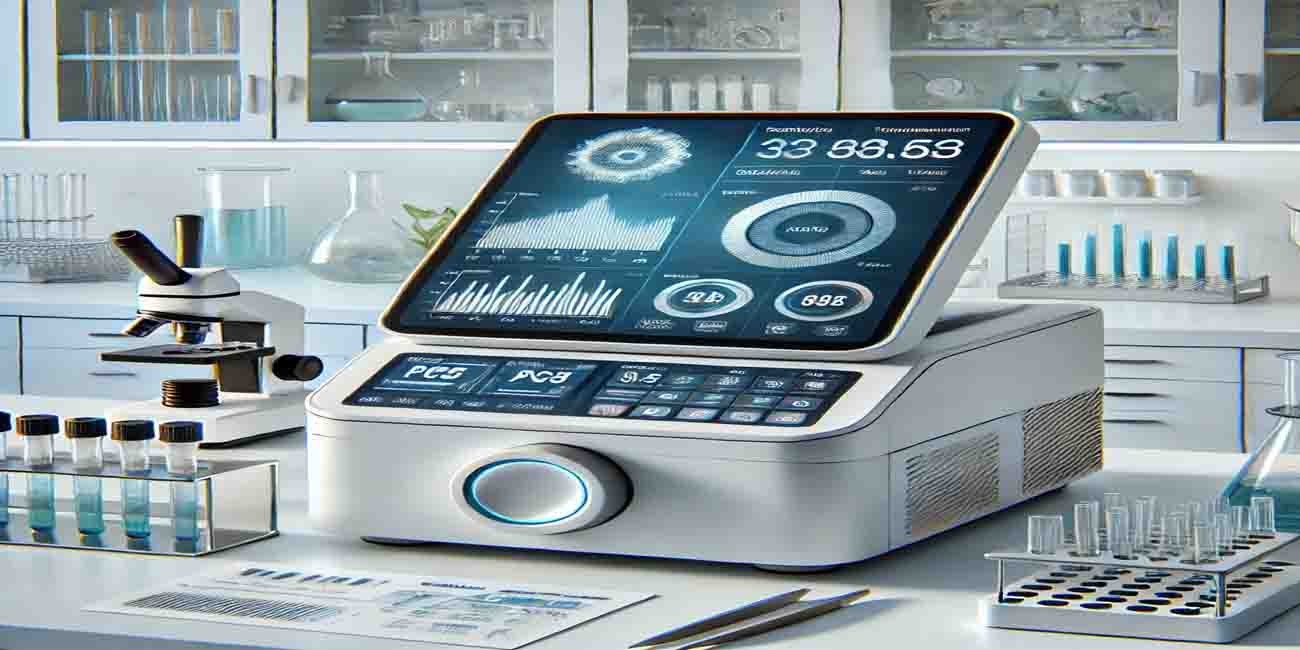
At Ekra Cargo, we provide advanced PCR machines
designed to enhance laboratory efficiency. With features like real-time
detection and gradient capabilities, our machines meet the diverse needs of
diagnostics and research professionals.
The principle of PCR machines
revolutionized molecular biology by simplifying DNA amplification.
Understanding how these devices work empowers laboratories to harness their
full potential. Visit Ekra Cargo to explore our
range of cutting-edge PCR machines tailored for your lab.


Ekracargo.com - Your trusted partner in industrial efficiency, providing a wide range of premium quality spare parts at competitive prices.
Contact Info
- Address: House 54 | Road 14 | Sector 14 | Uttara | Dhaka 1230 | Bangladesh
- Phone: Contact: +8801634736139 (WhatsApp) ,+8801789394669 (WhatsApp)
- Email: info@ekracargo.com