





The Ultimate Guide to O-Ring Seals Everything You Need to Know | Best Rates | Buying Guide | Detailed Tips | Maintenance | FAQ |
The Ultimate Guide to O-Ring Seals: Everything You Need to Know
When it comes to leak-proof sealing solutions, few components are as crucial or as widely used as the O-ring seal. These tiny, doughnut-shaped rings may look simple, but they play a critical role in preventing fluid and gas leaks in countless industrial, automotive, aerospace, and household applications.
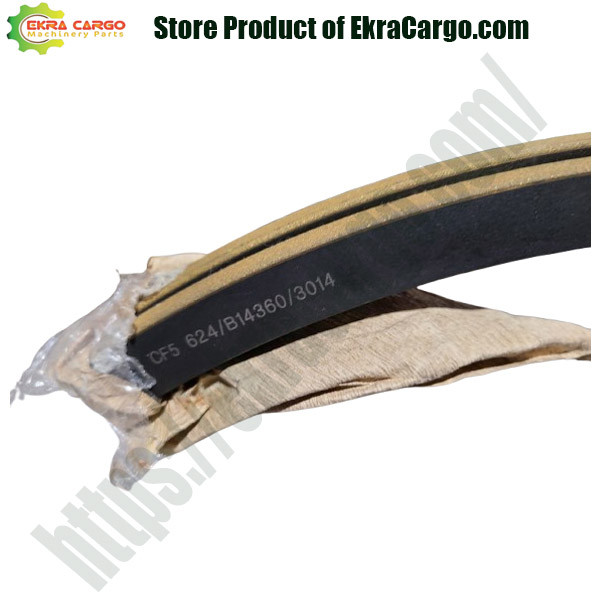
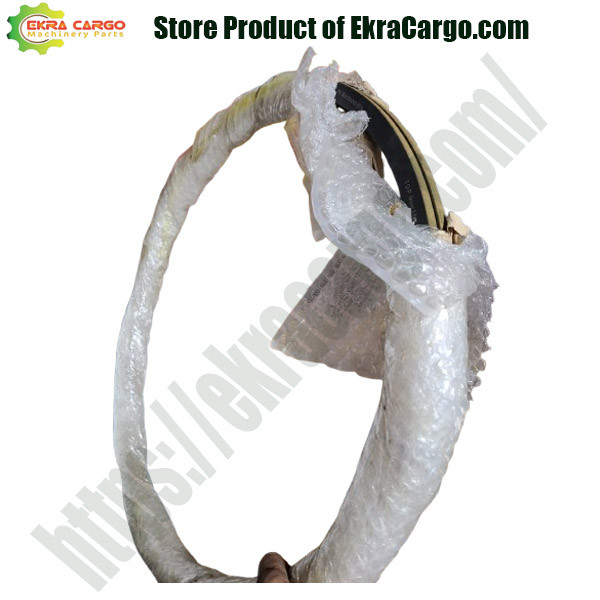
Check the product at Ekra Cargo
In this guide, we’ll cover everything you need to know about O-ring seals—from how they work, how to choose the right one, product recommendations, and why they’re a must-have in your maintenance toolkit.
What Is an O-Ring Seal?
An O-ring seal is a mechanical gasket
shaped like a loop (or "O") that sits in a groove and is compressed
between two surfaces to prevent the escape of fluids or gases. They are made
from a variety of materials such as rubber, silicone, Viton, or PTFE, depending
on the application requirements.
Why Are O-Ring Seals So Important?
·
Leak Prevention: They provide a tight seal that prevents leaks of
liquids or gases.
·
Versatility: Used in plumbing, automotive engines, hydraulic systems, aerospace
parts, and even food processing.
·
Cost-Efficiency: O-rings are inexpensive yet offer high-performance
sealing.
·
Durability: Resistant to wear, pressure, and extreme temperatures when properly
chosen.
Top Applications for O-Ring Seals
|
Industry |
Application |
|
Automotive |
Engine seals, fuel injectors |
|
Plumbing |
Faucets, valves, water pipes |
|
Aerospace |
Hydraulic systems, fuel tanks |
|
Industrial |
Pneumatic tools, oil & gas machinery |
|
Medical |
Syringes, pumps, lab instruments |
Product Recommendations: Best
O-Ring Seals to Buy
1. High-Grade Nitrile O-Ring Seal Kit
Best For:
Automotive and Industrial Use
Material: Nitrile (Buna-N)
Temperature Range: -40°C to
120°C
Pros:
·
Affordable
·
Oil and abrasion
resistant
·
Wide size range
in kit
Cons:
·
Not suitable for
high-temperature applications
·
Limited chemical
resistance
2. Viton O-Ring Seals
Best For:
High-temperature and chemical environments
Material: Viton
Temperature Range: -26°C to
205°C
Pros:
·
Excellent
chemical resistance
·
Long-lasting and
durable
·
Performs well in
high-heat settings
Cons:
·
Higher cost
·
Can be overkill
for simple applications
3. Silicone O-Ring Seal Set
Best For:
Food and medical equipment
Material: Silicone
Temperature Range: -60°C to
230°C
Pros:
·
Safe for food and
medical use
·
Excellent
temperature resistance
·
Flexible and easy
to install
Cons:
·
Less resistant to
abrasion
·
Not ideal for
oily environments
4. PTFE (Teflon) O-Rings
Best For:
Harsh chemical processing
Material: PTFE
Temperature Range: -100°C to
260°C
Pros:
·
Exceptional
chemical resistance
·
Non-reactive and
low friction
·
Ideal for extreme
environments
Cons:
·
Less elastic—may
require more precision
·
Not suitable for
dynamic sealing
How to Choose the Right O-Ring Seal
(Buying Guide)
Choosing the
right O-ring seal isn’t just about grabbing any ring that fits. Here are key
factors you should consider:
1. Material Compatibility
·
Nitrile (Buna-N): Good for oils and fuels.
·
Viton:
Great for chemicals and high-temperature applications.
·
Silicone:
Ideal for food-grade or medical uses.
·
PTFE:
Perfect for extreme chemical exposure.
2. Temperature Range
Select a
material that can handle the temperature range of your environment. For
example:
·
Silicone: -60°C
to 230°C
·
Viton: -26°C to
205°C
3. Size
Use calipers or
a sizing cone to measure:
·
Inner Diameter
(ID)
·
Outer Diameter
(OD)
·
Cross-Section
(thickness)
4. Pressure and Movement
·
Static Seals: No relative movement between surfaces—most O-rings work fine here.
·
Dynamic Seals: For pistons or rotating shafts, pick materials with high wear
resistance.
5. Regulatory Needs
·
FDA-grade materials for food or medical use
·
UL and RoHS compliant materials for electronics
Common Mistakes to Avoid When
Buying O-Ring Seals
1. Ignoring Chemical
Compatibility: Always match the
material to the fluids it will contact.
2. Guessing the Size: Even a small misfit can lead to leaks.
3. Overstretching
During Installation: Leads to
permanent deformation.
4. Using the Wrong
Lubricant: Use compatible
lubricants like silicone grease.
How to Install an O-Ring Seal
(Step-by-Step)
1. Clean the Groove: Remove any debris or residue.
2. Lubricate the
O-Ring: Use appropriate grease
to prevent damage.
3. Position the
O-Ring: Gently stretch and slide
it into place.
4. Compress
Carefully: Assemble the parts
without pinching or rolling the O-ring.
Maintenance Tips for O-Ring Seals
·
Inspect Regularly: Look for cracks, flattening, or brittleness.
·
Replace When Worn: Even tiny wear can lead to major leaks.
·
Store Properly: Keep in cool, dry places away from UV light.
·
Avoid Contact with Incompatible Chemicals.
Why Buy O-Ring Seals from Us?
We offer
premium-grade O-ring seals that are:
·
Made from
certified materials (FDA, RoHS, etc.)
·
Available in all
standard and custom sizes
·
Affordable and
shipped quickly
·
Supported by
expert customer service
Our Top-Selling Product: Universal O-Ring Seal Kit
✅ 200-piece set
✅ Includes nitrile and silicone rings
✅ Labeled and organized
✅ Perfect for DIYers and professionals alike
[Buy Now – Get
Free Shipping!]
FAQs About O-Ring Seals
Q1: Can O-ring seals be reused?
In most cases, no. Reuse may cause deformation or failure, especially in
high-pressure settings.
Q2: Are all O-rings waterproof?
They are designed to be, but performance depends on proper installation and the
material used.
Q3: How do I know if an O-ring is failing?
Watch for leaks, loss of pressure, or visual signs like cracks or flattening.
Q4: Can I use Vaseline on O-rings?
No. Vaseline can degrade certain rubber types. Use silicone grease instead.
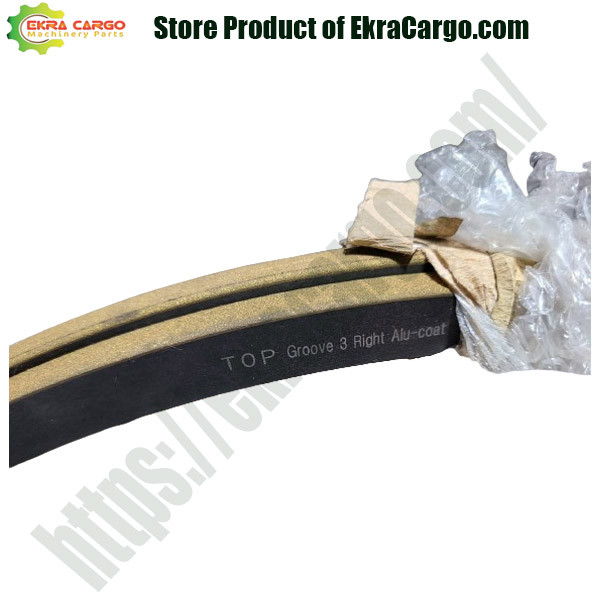
Check product at Ekra Cargo
Final Thoughts
O-ring seals
are essential, whether you're fixing a faucet, maintaining industrial
machinery, or building an engine. Choosing the right type based on material,
temperature, pressure, and chemical compatibility is key to a long-lasting
seal.
By
understanding what makes a good O-ring, avoiding common mistakes, and choosing
trusted products like ours, you can ensure the integrity of your systems and
save both time and money.
Ready to stock up? Browse our collection of
top-quality O-ring seals and kits today.
[Shop O-Ring Seals Now ➝]


Ekracargo.com - Your trusted partner in industrial efficiency, providing a wide range of premium quality spare parts at competitive prices.
Contact Info
- Address: House 54 | Road 14 | Sector 14 | Uttara | Dhaka 1230 | Bangladesh
- Phone: Contact: +8801634736139 (WhatsApp) ,+8801789394669 (WhatsApp)
- Email: info@ekracargo.com