





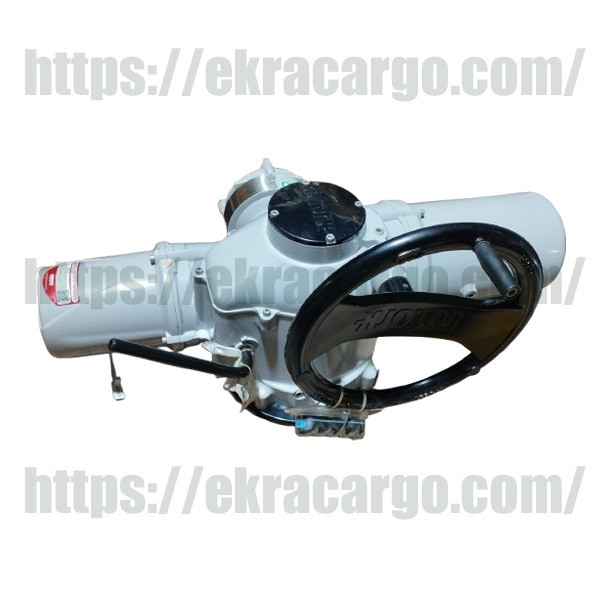
The Complete Guide to Multi-Turn Electric Actuators: Powering Modern Industrial Automation
In the intricate world of industrial process control, the humble valve is a critical gatekeeper. But for valves that require multiple rotations to function—the workhorse gate and globe valves found in power plants, water treatment facilities, and oil refineries—manual operation is neither efficient nor feasible. This is where the multi-turn electric actuator proves its indispensability. It is the muscle and the brain behind these valves, converting electrical signals into precise mechanical motion. This guide delves deep into what a multi-turn electric actuator is, its core benefits, its diverse applications, and how a specific model, like the Rotork 1091, exemplifies excellence in this field.
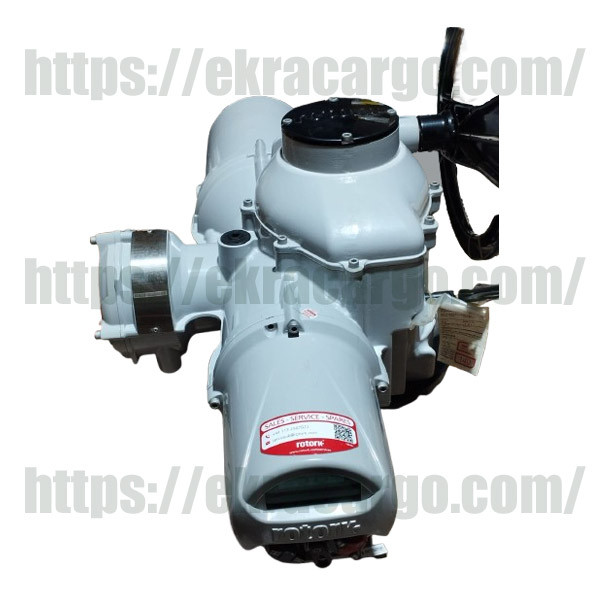
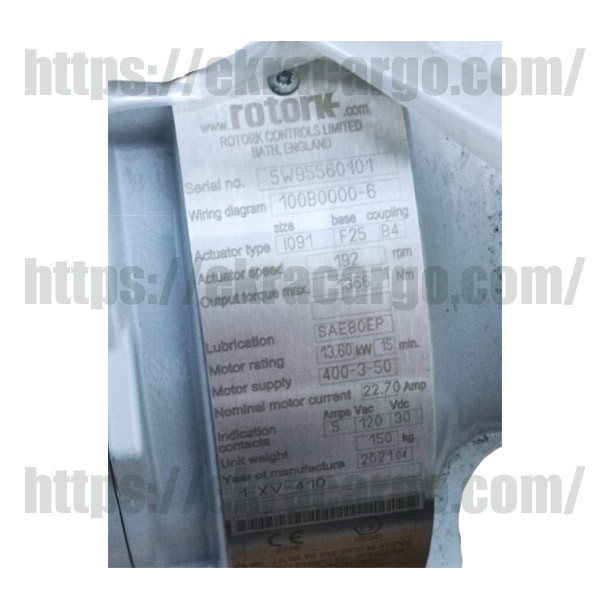
Explore the technical specifications and availability of the Rotork 1091 Electric Actuator on our product page here.
What is a Multi-Turn Electric Actuator? A
Detailed Look
At its core, a multi-turn
electric actuator is an electromechanical device designed to provide multiple
360-degree rotations to an output drive shaft (typically a nut or a key) to
operate a multi-turn valve. Unlike its quarter-turn counterpart, which rotates
a mere 90 degrees to open or close a ball or butterfly valve, the multi-turn
actuator is engineered for valves with rising stems that need hundreds,
sometimes thousands, of turns to move from fully open to fully closed.
The internal
mechanism usually involves an electric motor that drives a combination of gear
trains. These gears serve a dual purpose: they reduce the high speed of the
motor to a more usable, powerful output speed, and they significantly increase
the output torque. This high-torque, low-speed rotation is precisely what's
needed to lift or lower the stem of a heavy-duty gate valve against system
pressure. Modern actuators are equipped with sophisticated control units that
manage torque and limit switching, ensuring the valve stops accurately at the
fully open and fully closed positions without damaging the valve or the
actuator itself.
Key Benefits and Advantages Over Other
Technologies
Why choose an
electric solution over pneumatic or hydraulic systems? The advantages are
compelling:
1. Precision and Control: Electric actuators offer
unparalleled positional accuracy. They can be programmed to stop at any
intermediate point, allowing for precise throttling and flow control. This
level of precision is difficult to achieve consistently with fluid power systems.
2. Simplified Installation and Integration: One of the most significant
benefits is the ease of installation. A multi-turn electric
actuator requires only power and control cables, eliminating the
need for complex networks of compressors, air dryers, and hydraulic lines. This
drastically reduces installation time and cost.
3. Energy Efficiency: Pneumatic actuators require a
compressor to run continuously to maintain system pressure, consuming energy
even when the actuator is idle. An electric actuator only draws power when it
is in motion, leading to substantial energy savings over time.
4. Environmental Resilience: High-quality electric actuators
are built to withstand harsh conditions. They are available with robust housing
ratings (like IP68 for submersion) and explosion-proof certifications (like
ATEX and IECEx), making them safe for use in corrosive, dusty, or hazardous
environments.
5. Advanced Diagnostic Capabilities: Modern electric actuators are
intelligent devices. They can provide real-time feedback on performance, record
torque profiles, signal fault conditions, and integrate seamlessly into
higher-level control systems like PLCs and DCS for centralized monitoring and
data collection.
Critical Applications Across Industries
The reliability
and power of multi-turn electric actuators make them suitable for a vast array
of critical applications:
·
Water and Wastewater Treatment: Controlling large gate valves in
inlet/outlet lines, filter beds, and sludge handling. Their reliability is
crucial for public health and environmental protection.
·
Oil & Gas and Petrochemical: Isolating sections of pipeline,
controlling process flow in refineries, and managing wellhead valves. The
explosion-proof capabilities are essential here.
·
Power Generation: In both traditional thermal plants and nuclear facilities,
they operate critical isolation valves for steam, feedwater, and cooling
systems.
·
Mining and Minerals: Managing the flow of slurries and process water in
demanding and often remote locations.
·
Marine and Shipbuilding: Used for ballast and bilge system valves, where
reliability is synonymous with safety at sea.
Selecting the Right Actuator: A Case Study in
the Rotork 1091
Choosing the
correct actuator is paramount. It’s not just about torque and voltage; it’s
about finding a unit built for durability, ease of use, and long-term service
in your specific environment. A prime example of engineering excellence in this
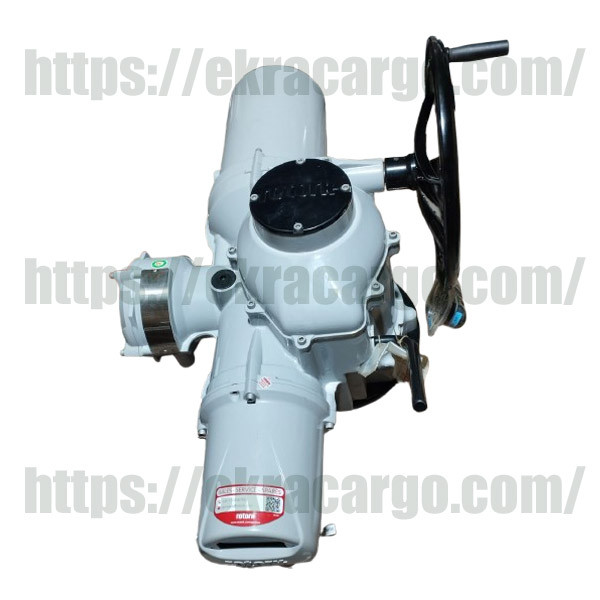
field is the Rotork 1091 range.
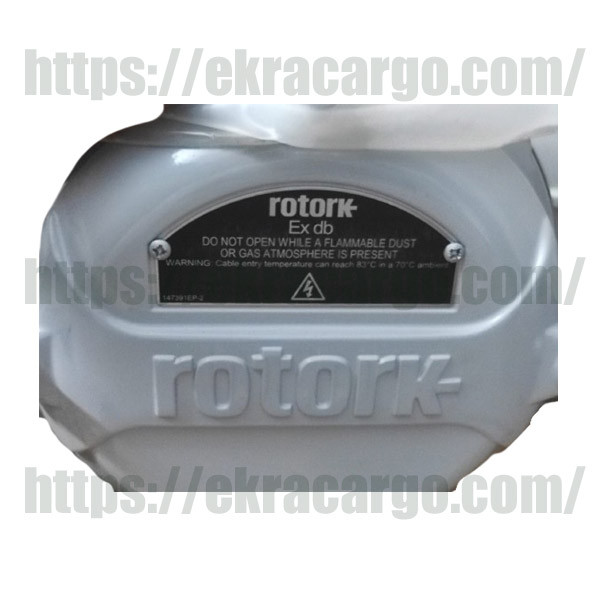
The Rotork 1091
is a benchmark for quarter-turn and multi-turn electric actuation. When you
select a model like this, you are investing in a solution designed for maximum
reliability. Key features that set such a model apart include:
·
Robust Construction: Built with a high-grade aluminum alloy housing and
stainless steel fittings, it resists corrosion and physical impact.
·
High-Thrust Capability: Engineered to deliver the high torque and thrust
outputs needed to unseat stubborn valves, even after long periods of
inactivity.
·
Intuitive Local Control: Features a clear, manual handwheel and an
easy-to-use local control interface for on-site operation and setup.
·
Comprehensive Protection: Available with a range of sealing and protection
options to meet IP68 and explosion-proof standards, ensuring operation in the
most challenging conditions.
·
Proven Reliability: With a global reputation, such actuators are known for
their low failure rates and long service life, minimizing downtime and
maintenance costs.
For detailed
technical specifications, torque profiles, and dimensional drawings for a
reliable solution like this, we invite you to view our featured product.
Conclusion: An Investment in Efficiency and
Safety
The decision to automate multi-turn valves with an electric actuator is a strategic investment in the efficiency, safety, and modernity of your operations. It eliminates the labor-intensive and potentially hazardous task of manual valve operation, provides critical data for predictive maintenance, and ensures precise process control. By understanding the technology and selecting a proven, robust model from a reputable manufacturer, you are not just purchasing a component—you are fortifying a critical part of your industrial infrastructure for years to come.


Ekracargo.com - Your trusted partner in industrial efficiency, providing a wide range of premium quality spare parts at competitive prices.
Contact Info
- Address: House 54 | Road 14 | Sector 14 | Uttara | Dhaka 1230 | Bangladesh
- Phone: Contact: +8801634736139 (WhatsApp) ,+8801789394669 (WhatsApp)
- Email: info@ekracargo.com