




The Best Motion Control Systems | | Best Rates | Buying Guide | Detailed Tips | Maintenance | Answers to Frequently Asked Questions FAQ |
The Best Motion Control Systems 2025
Motion
control systems are the backbone of modern automation, robotics, and
manufacturing. Whether you're a hobbyist building a CNC machine or an engineer
designing industrial robots, understanding motion control is essential.
In
this guide, you’ll learn:
·
What
motion control are and how they work
·
Key
components of a motion control system
·
Different
types of motion control technologies
·
Best
motion control products on the market
·
A
simple buying guide to help you choose the right system
Let’s dive in!
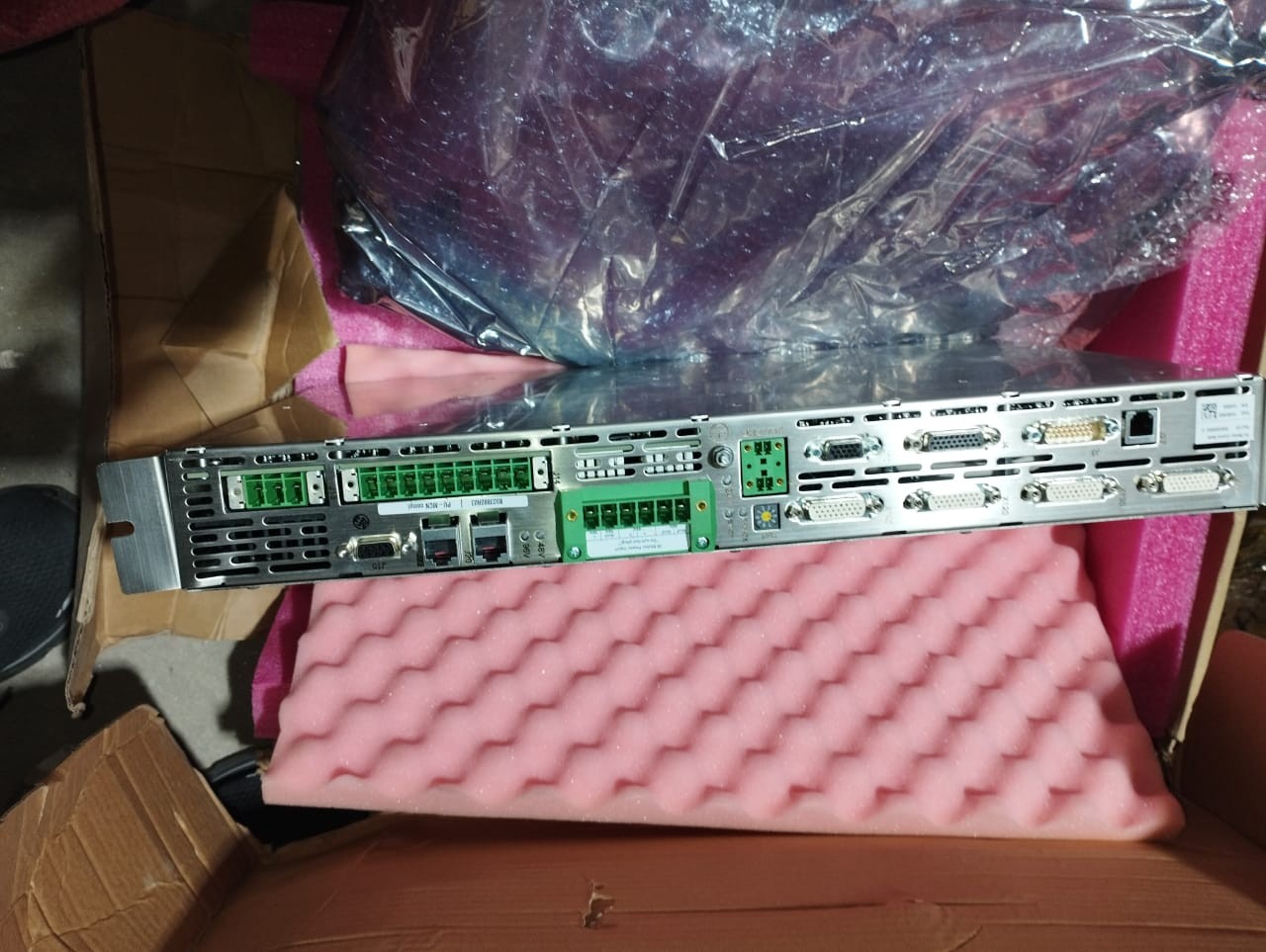
Check the product at Ekra Cargo...
What Is a Motion Control System?
A motion
control system is a technology that manages the movement of machines
with precision. It ensures motors, actuators, and mechanical parts move
accurately and efficiently.
Common Applications of Control Systems
·
Industrial robots (assembly lines, welding, painting)
·
CNC machines (milling, cutting, 3D printing)
·
Medical devices (surgical robots, MRI machines)
·
Aerospace & defense (drone navigation, missile guidance)
·
Automotive systems (self-driving cars, engine control)
Key Components of a Motion Control System
A
motion control system consists of several critical parts:
1. Controller – The
"brain" that sends commands (e.g., PLC, microcontroller).
2. Motor/Actuator – Converts electrical
signals into motion (servo, stepper, linear motors).
3. Drive/Amplifier – Powers the motor
based on controller signals.
4. Feedback Device – Sensors (encoders,
resolvers) that report position/speed for accuracy.
5. Mechanical Components – Gears, belts, lead
screws that transfer motion.
Types of Motion Control Technologies
Different
systems use various motion control methods:
1. Open-Loop vs. Closed-Loop Control
·
Open-loop – No feedback (simple, cost-effective,
less precise).
·
Closed-loop – Uses feedback for high precision
(common in industrial automation).
2. Servo Systems
·
High
precision, fast response, ideal for robotics.
·
Uses
encoders for real-time adjustments.
3. Stepper Motor Systems
·
Simpler,
cost-effective, good for CNC and 3D printers.
·
No
feedback needed but can lose steps under heavy load.
4. Linear Motion Systems
·
Used
where straight-line movement is needed (e.g., conveyor belts).
·
Includes
linear motors and actuators.
Best Motion Control Products in 2024
Here
are some top-rated motion systems for different needs:
1. Allen-Bradley Kinetix 5300 Servo Drive
✅ Pros:
·
High
precision, industrial-grade
·
Supports
EtherNet/IP for easy integration
·
Reliable
for heavy-duty applications
❌ Cons:
·
Expensive
·
Requires
expertise to set up
Best
for: Factories,
large-scale automation.
2. Leadshine DM542 Stepper Driver
✅ Pros:
·
Affordable,
great for DIY CNC and 3D printers
·
Microstepping
for smooth motion
·
Easy
to install
❌ Cons:
·
Not
ideal for high-speed applications
·
Limited
torque compared to servos
Best
for: Hobbyists,
small CNC machines.
3. Beckhoff AX5000 Servo Drive
✅ Pros:
·
Extremely
fast and precise
·
Supports
multiple communication protocols
·
Modular
design
❌ Cons:
·
High
cost
·
Complex
setup
Best
for: Advanced
robotics, high-speed automation.
4. Raspberry Pi + Arduino Motion Control (DIY
Option)
✅ Pros:
·
Low-cost,
customizable
·
Great
for learning and prototyping
·
Huge
community support
❌ Cons:
·
Not
industrial-grade
·
Limited
power for heavy loads
Best
for: Students,
makers, small projects.
Motion Control System Buying Guide
Choosing
the right system depends on your needs. Here’s what to consider:
1. Precision Requirements
·
High precision? Go for closed-loop servo systems.
·
Moderate precision? Stepper motors may suffice.
2. Speed & Torque Needs
·
High speed? Servo motors perform better.
·
High torque? Check motor ratings and gear ratios.
3. Budget
·
Low budget? Stepper motors or DIY solutions.
·
High budget? Industrial-grade servo systems.
4. Ease of Integration
·
Plug-and-play? Look for systems with easy software
(like GRBL for CNC).
·
Custom solutions? Choose programmable controllers (e.g.,
PLCs).
5. Environment
·
Harsh conditions? Pick waterproof/dustproof industrial
drives.
·
Lab/indoor use? Standard systems work fine.
My Personal Experience with Motion Control
I’ve
used motion control systems in both DIY and industrial settings. Here’s what
I’ve learned:
·
For hobby projects, a simple stepper motor with an Arduino
works well. My 3D printer uses a Leadshine driver, and it’s been reliable.
·
In industrial automation, servo systems like
Allen-Bradley are worth the investment—downtime is costly, and precision
matters.
One mistake I made early on was underestimating the importance of feedback devices. An open-loop stepper system failed mid-job because of missed steps. Switching to a closed-loop system fixed the issue.
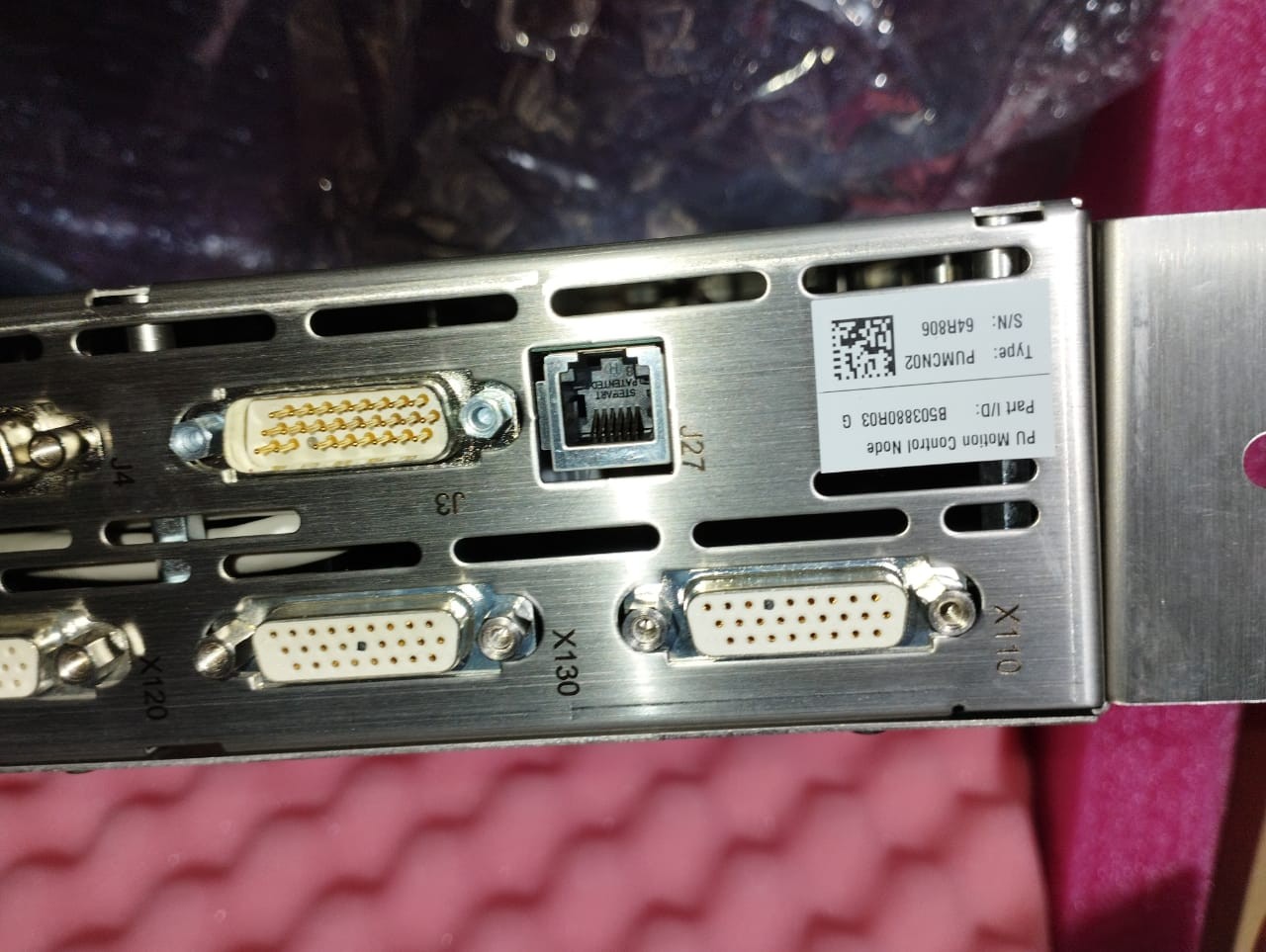
Check product at Ekra Cargo...
FAQs About Motion Control Systems
1. What’s the difference between servo and
stepper motors?
·
Servo motors use feedback for high precision and
speed.
·
Stepper motors move in fixed steps, simpler but less
precise under load.
2. Can I upgrade an open-loop system to
closed-loop?
Yes!
Adding an encoder and a compatible drive can convert a stepper motor into a
closed-loop system.
3. What’s the best motion control software?
·
Mach3/Mach4 (CNC machines)
·
ROS (Robot Operating System) for robotics
·
TwinCAT (industrial automation)
4. How do I troubleshoot motion control
errors?
·
Check
wiring and power supply.
·
Verify
feedback sensor signals.
·
Update
firmware/drivers.
Final Thoughts
Motion control power everything from tiny 3D printers to massive industrial
robots. Choosing the right system depends on your precision, speed, and budget
needs.


Ekracargo.com - Your trusted partner in industrial efficiency, providing a wide range of premium quality spare parts at competitive prices.
Contact Info
- Address: House 54 | Road 14 | Sector 14 | Uttara | Dhaka 1230 | Bangladesh
- Phone: Contact: +8801634736139 (WhatsApp) ,+8801789394669 (WhatsApp)
- Email: info@ekracargo.com