




Motion Control Node Price A Complete Guide | FAQ |
Motion Control Node Price: A Complete Guide
Looking to automate your machine or
robotics project? One of the first questions you’ll likely ask is: “What’s
the price of a motion control node?”
Whether you’re a hobbyist, small business owner, or industrial engineer, understanding the cost of motion control nodes can save you from overspending. In this guide, I’ll break down the price ranges, recommend great products, and help you choose the best motion control node for your needs.
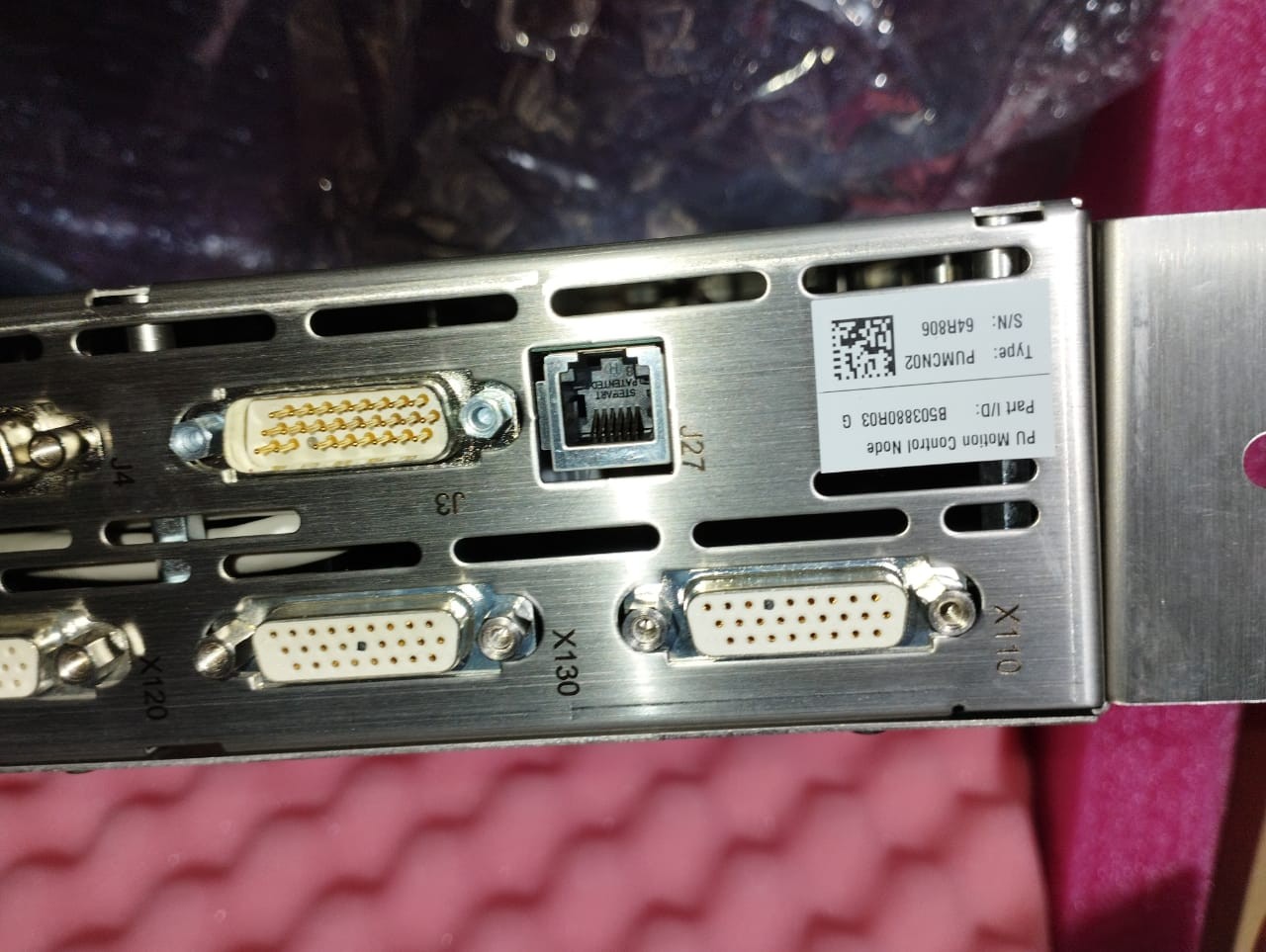
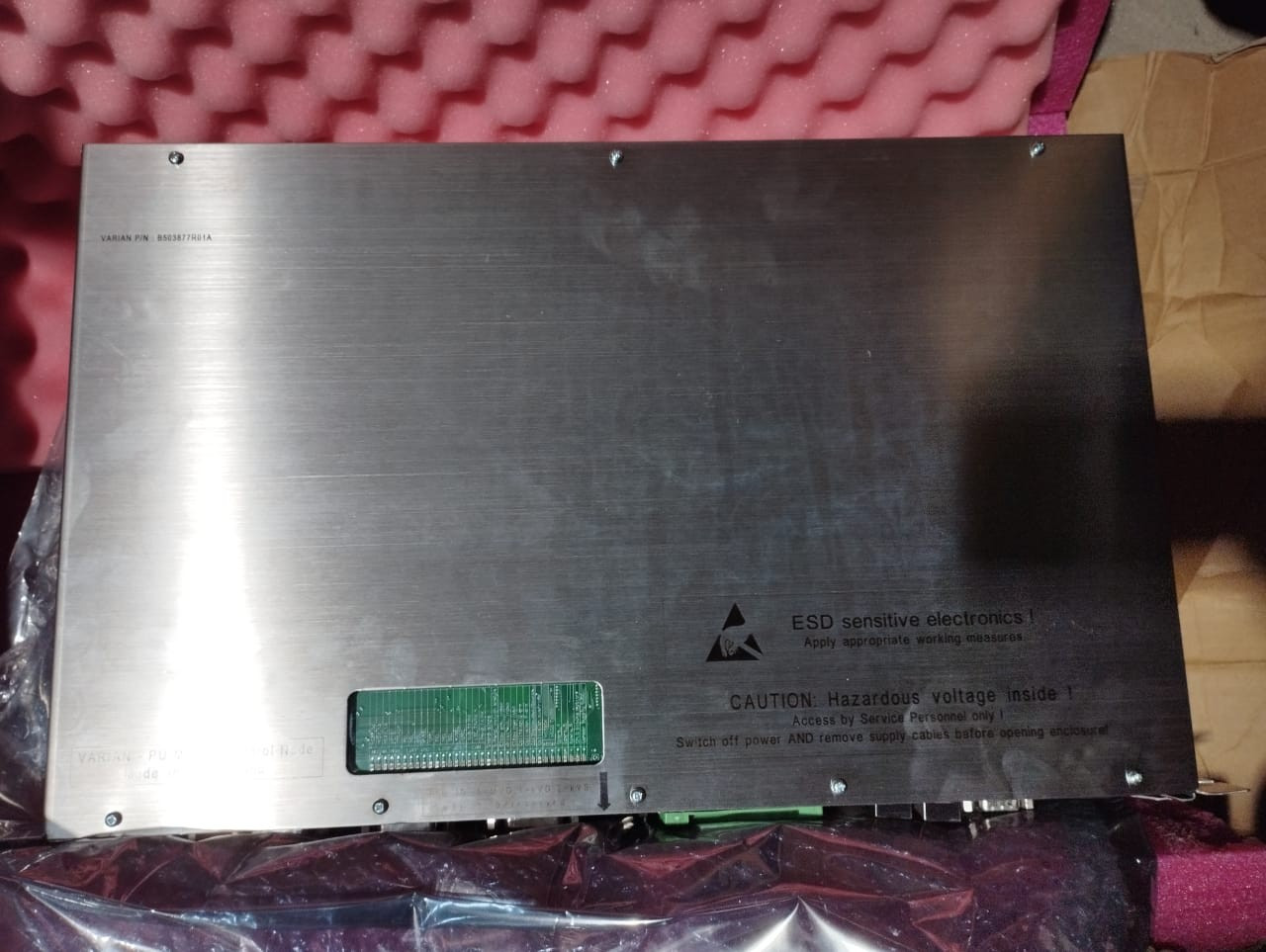
Check the product at Ekra Cargo
?
What Is a Motion Control Node?
Before we dive into prices, let’s
get clear on what a motion control node actually does.
A motion control node is a
vital part of an automated system. It sends commands to motors and interprets
feedback from sensors, allowing for precise control of mechanical movements.
Motion control nodes are used in:
- CNC machines
- Robotics
- Conveyor belts
- Industrial automation
- 3D printers
?
Motion Control Price Breakdown
Prices for motion control nodes can
vary widely based on specifications, brand, and intended use.
|
Type |
Price
Range |
Typical
Use |
|
Basic Hobbyist Nodes |
$20 - $100 |
DIY projects, small robots |
|
Entry-Level Industrial Nodes |
$100 - $500 |
Light automation, CNC, 3D printers |
|
Mid-Range Professional Nodes |
$500 - $1500 |
Factory automation, complex robots |
|
High-End Industrial Nodes |
$1500 - $5000+ |
Precision robotics, aerospace |
?
Recommended Motion Control Nodes
Here are a few solid options based
on budget and experience level.
1️⃣
Arduino Motor Shield Rev3
Price: ~$30
Best for: Beginners & hobbyists
Pros:
✔ Affordable
✔ Easy to program
✔ Huge online community
Cons:
✖ Limited power output
✖ Not ideal for industrial-grade
projects
2️⃣
Smoothieboard v1.1
Price: ~$200
Best for: CNC machines & 3D printers
Pros:
✔ Open-source and customizable
✔ Handles complex motion paths
✔ Great community support
Cons:
✖ Limited manufacturer support
✖ Steeper learning curve for
beginners
3️⃣
Beckhoff EtherCAT Terminals (EL7041)
Price: ~$450
Best for: Mid-range industrial use
Pros:
✔ High reliability
✔ Real-time communication (EtherCAT)
✔ Modular and scalable
Cons:
✖ Requires additional Beckhoff
hardware
✖ More expensive for small projects
4️⃣
Siemens SIMATIC S7-1500 T-CPU
Price: ~$2000+
Best for: Large-scale industrial systems
Pros:
✔ Industry-grade reliability
✔ Supports advanced motion tasks
✔ Seamless integration with Siemens
software
Cons:
✖ High price point
✖ Learning curve for new users
?
Motion Control Node Buying Guide
1️⃣
Define Your Needs
- Are you automating a hobby project or an industrial
line?
- Basic needs cost less, while advanced features cost
more.
2️⃣
Check Compatibility
- Does it support your motor type (stepper, servo)?
- Does it fit your communication protocol (EtherCAT,
CANopen, Modbus)?
3️⃣
Consider Software Support
- Does it come with user-friendly software?
- Open-source options like Smoothieware are
beginner-friendly.
- Industrial systems often require proprietary software.
4️⃣
Assess Scalability
- Will your project grow?
- Pick a node that can handle future upgrades.
5️⃣
Budget Smartly
- Avoid buying high-end nodes for simple tasks.
- Calculate the Total Cost of Ownership (TCO) — not just
the purchase price.
?
Personal Experience: My Motion Control Journey
A few years back, I started with an Arduino
Motor Shield for a DIY robotic arm. It was fun but limiting.
When I moved to CNC work, I upgraded
to the Smoothieboard — and it was a game-changer. It handled multi-axis
control beautifully and had excellent community resources for troubleshooting.
For clients in industrial settings, I’ve worked with Beckhoff EL7041 and Siemens S7-1500. Both are rock-solid but definitely overkill for hobbyists.
?
FAQ: Motion Control Node Pricing & More
Q1: Why are some motion control
nodes so expensive?
High-end nodes offer features like real-time communication, error handling, and
multi-axis control. These are crucial for industrial environments but
unnecessary for smaller projects.
Q2: Can I use a hobby-grade node for
professional projects?
It depends. Hobby-grade nodes like Arduino work for prototypes but usually
can’t handle industrial workloads long-term.
Q3: Are there subscription fees for
motion control nodes?
Not usually, but some industrial systems require software licenses, which can
add to the cost.
Q4: Where can I buy motion control
nodes?
You can find them on websites like:
- Digi-Key
- Mouser Electronics
- Amazon (for hobby-grade)
- Manufacturer Direct (Beckhoff, Siemens, etc.)
?
Final Thoughts
When it comes to motion control
node prices, the right choice balances cost, performance, and ease of use.
Beginners can start small with affordable options like Arduino, while
professionals should invest in scalable, industrial-grade systems.


Ekracargo.com - Your trusted partner in industrial efficiency, providing a wide range of premium quality spare parts at competitive prices.
Contact Info
- Address: House 54 | Road 14 | Sector 14 | Uttara | Dhaka 1230 | Bangladesh
- Phone: Contact: +8801634736139 (WhatsApp) ,+8801789394669 (WhatsApp)
- Email: info@ekracargo.com