




Your Ultimate Guide to Finding "Medical Supplies Near Me" | Best Rates | Buying Guide | Detailed Tips | Maintenance | FAQ |
Your Ultimate Guide to Finding "Medical Supplies Near Me"
We’ve all been there. A sudden illness, a new diagnosis, or an
unexpected injury leaves you scrambling to find the right medical supplies.
Whether it's a simple box of bandaids, a knee brace, or a more complex piece of
equipment like a walker, knowing where to look can save you time, money, and a
lot of stress.
This guide is designed to be your one-stop resource. We’ll explore the best places to find medical supplies locally and online, offer product recommendations, and share tips to ensure you get exactly what you need.
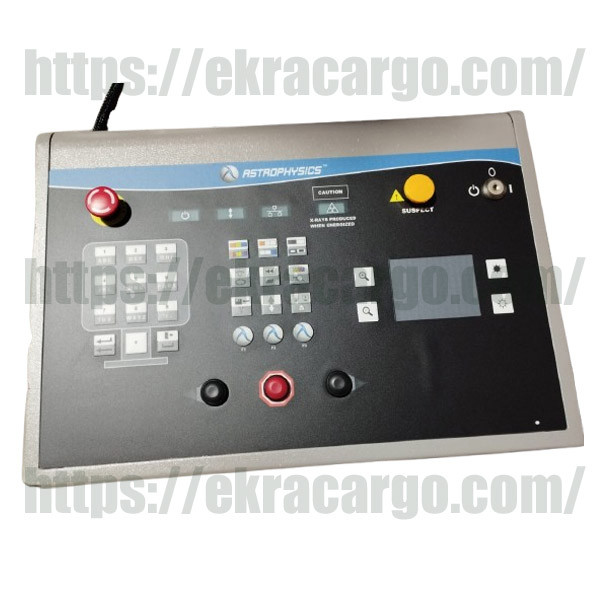
Check Some Products at Ekra Cargo
Why Finding Local Medical Supplies Matters
While online shopping is convenient, there are times when you
need supplies now. Local stores offer immediate access, which is
crucial for:
·
Emergencies: For cuts, sprains, or sudden fevers.
·
Trying
Before Buying: Especially for
expensive or size-specific items like compression stockings or crutches.
·
Professional
Advice: Pharmacists and
store staff can offer valuable, on-the-spot guidance.
·
Avoiding
Shipping Costs: For heavy items
like shower chairs or cases of Ensure.
Where to Look: Top Places for Local Medical
Supplies
Your search for "medical supplies near me" will likely
lead you to a few key types of retailers.
1. Pharmacies and Drugstores (CVS, Walgreens,
Rite Aid)
Your local pharmacy is the first stop for most common medical
needs.
·
Pros: Extremely convenient, widespread
locations, often open late or 24/7. They carry a wide range of over-the-counter
(OTC) medications, first aid supplies, and basic durable medical equipment
(DME).
·
Cons: Limited selection of specialized or
larger equipment. Staff may not be DME experts.
·
Best
For: First aid kits,
thermometers, pain relievers, diabetic testing supplies, reading glasses, and
basic braces.
2. Big-Box Retailers (Walmart, Target)
These stores are powerhouses for everyday health and wellness
products.
·
Pros: Competitive prices, one-stop shopping
for other household needs, good selection of OTC meds and basic supplies.
·
Cons: Similar to pharmacies, their selection
of advanced DME is limited. Can be crowded and overwhelming.
·
Best
For: Value-sized
packages of bandaids, gauze, vitamins, and personal care items like adult
incontinence products.
3. Medical Supply Stores (Local and National
Chains)
These are specialized stores dedicated entirely to home medical
equipment.
·
Pros: Expert staff (often
certified fitters), largest selection of DME (wheelchairs, hospital beds, lift
chairs, oxygen equipment), ability to handle insurance claims and rentals.
·
Cons: Fewer locations, may not be open 24/7,
can be more expensive for cash-paying customers.
·
Best
For: Prescribed
medical equipment, complex needs, and professional fitting services.
Pro Tip: Use
Google Maps and search for "medical supply store near me" or
"home health care store." Read the reviews to gauge the quality of
their customer service.
4. Online Retailers with Local Pickup
(Amazon, Walmart.com)
This hybrid option offers the best of both worlds.
·
Pros: Huge online selection with the ability
to pick up your order in a few hours at a local store. Often better prices than
in-store.
·
Cons: You have to wait a few hours, and you
can't physically inspect the item before purchasing online.
·
Best
For: When you know
exactly what you need and want to avoid shipping fees or store crowds.
What to Buy: Product Recommendations with Pros
& Cons
Here’s a quick look at some common medical supplies and what to
consider.
1. Digital Thermometer
A household essential for monitoring fever.
·
Recommendation: Braun No-Touch Forehead Thermometer
o
Pros: Hygienic (no contact), fast reading,
easy to use on children.
o
Cons: Slightly more expensive than oral
models; accuracy can be affected by sweat or drafts.
2. Blood Pressure Monitor
Crucial for those managing hypertension.
·
Recommendation: Omron 5 Series Upper Arm Monitor
o
Pros: Clinically validated for accuracy,
easy-to-read display, stores multiple readings.
o
Cons: Arm monitors can be slightly bulkier
than wrist models (which are generally less accurate).
3. Knee Brace
For support after an injury or during physical activity.
·
Recommendation: McDavid Patellar Stabilizer
o
Pros: Provides excellent support for kneecap
stability, neoprene material offers warmth and compression.
o
Cons: Can be too warm for all-day wear, sizing
is critical for effectiveness.
4. First Aid Kit
Don't wait for an emergency to assemble one.
·
Recommendation: Johnson & Johnson All-Purpose
First Aid Kit
o
Pros: Good foundational supply of bandaids,
gauze, and antiseptic wipes. Compact and portable.
o
Cons: You may need to supplement it with more
supplies for a large family or specific needs.
Your Medical Supplies Buying Guide: 5 Things
to Consider
Before you head to the store or click "buy now," ask
yourself these questions:
1.
Is
it a medical necessity or for comfort? A prescribed CPAP machine requires more research and
professional fitting than a heating pad for sore muscles.
2.
What
does your insurance cover? For
DME, always check with your insurance provider first. They may have preferred
suppliers and specific coverage rules. Always get a written
prescription from your doctor for any equipment you plan to claim.
3.
What
are the return policies? For
hygiene reasons, many stores have strict no-return policies on certain medical
items. Always ask before purchasing.
4.
Do
you need professional fitting? Items like compression garments or diabetic shoes need to
be properly sized by a trained professional to be effective and avoid harm.
5.
Read
reviews! Whether it's a
local store or a product on Amazon, see what other customers are saying. It’s
one of the best ways to gauge reliability and quality.
A Personal Note: My Experience Finding a
Walker
When my grandfather was discharged from the hospital, we needed
a walker immediately. Our first instinct was to run to the nearest big-box
store. They had one basic model, but it was too tall for him, and the staff
couldn't adjust it.
We then called a local medical supply store. Not only did they
have a dozen models in stock, but a technician spent 20 minutes adjusting the
height and hand grips specifically for my grandfather's posture and taught him
how to use it safely. The peace of mind was worth the slightly higher price.
The lesson? For complex equipment, the expertise of a specialized store is
invaluable.
Frequently Asked Questions (FAQs)
Q: Can I use my FSA/HSA funds to buy medical supplies?
A: Yes! Most over-the-counter medical supplies and equipment are
eligible for purchase with Flexible Spending Account (FSA) and Health Savings
Account (HSA) funds. Keep your receipt for your records.
Q: What's the difference between buying and renting medical
equipment?
A: Rent if you only need the item for a short-term recovery (e.g.,
after surgery). Buy if you have a long-term or chronic need. Medical supply
stores often offer both options.
Q: How do I know if a knee brace or other support is right for
me?
A: It's always best to consult a doctor or physical therapist
first. They can diagnose the issue and recommend the specific type of support
you need to avoid further injury.
Q: Are there programs that help with the cost of medical
supplies?
A: Yes. Local charities, Area Agencies on Aging, and disease-specific
non-profits (like the American Diabetes Association) often have assistance
programs. It's worth a quick online search for "[Your City] medical supply
assistance."
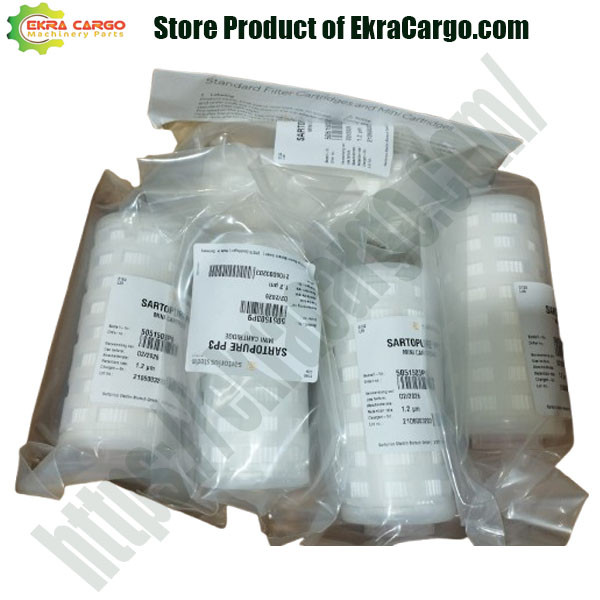
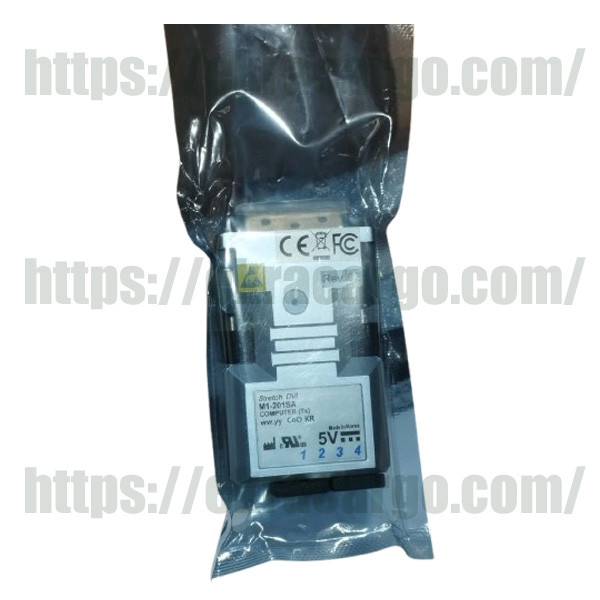
Check Medical Products at Ekra Cargo
The Bottom Line
Knowing where to find "medical supplies near me" is a
key part of managing your health and being prepared for life's unexpected
moments. For everyday basics, your local pharmacy or retailer is perfect. For
specialized, prescribed equipment, a dedicated medical supply store with expert
staff is your best bet.
Your health is your greatest wealth. Taking the time to find the right supplies from the right source is an investment worth making.


Ekracargo.com - Your trusted partner in industrial efficiency, providing a wide range of premium quality spare parts at competitive prices.
Contact Info
- Address: House 54 | Road 14 | Sector 14 | Uttara | Dhaka 1230 | Bangladesh
- Phone: Contact: +8801634736139 (WhatsApp) ,+8801789394669 (WhatsApp)
- Email: info@ekracargo.com