




Essential Medical Equipment: Types, Uses, and Key Selection Tips
Medical equipment forms the backbone
of modern healthcare, enabling professionals to diagnose, treat, and monitor
patients effectively. From diagnostic machines to therapeutic devices, each
piece of equipment is crafted for a specific purpose, facilitating high-quality
care and improving patient outcomes. Whether you’re setting up a new facility
or upgrading an existing one, selecting the right medical equipment is crucial.
In this guide, we’ll walk through
the different categories of medical equipment, explore their applications, and
offer insights into choosing the right tools for your healthcare facility. For
a wide selection of medical equipment, visit Ekra Cargo, where we offer reliable, high-quality
options that cater to a range of healthcare needs.
1.
Understanding the Importance of Medical Equipment in Healthcare
Medical equipment plays a pivotal
role in delivering quality patient care. From routine health checks to complex
surgeries, specialized devices assist in every stage of the healthcare journey.
They not only help in diagnosing conditions accurately but also support
treatments, making them indispensable in hospitals, clinics, and laboratories.
2.
Types of Medical Equipment and Their Uses
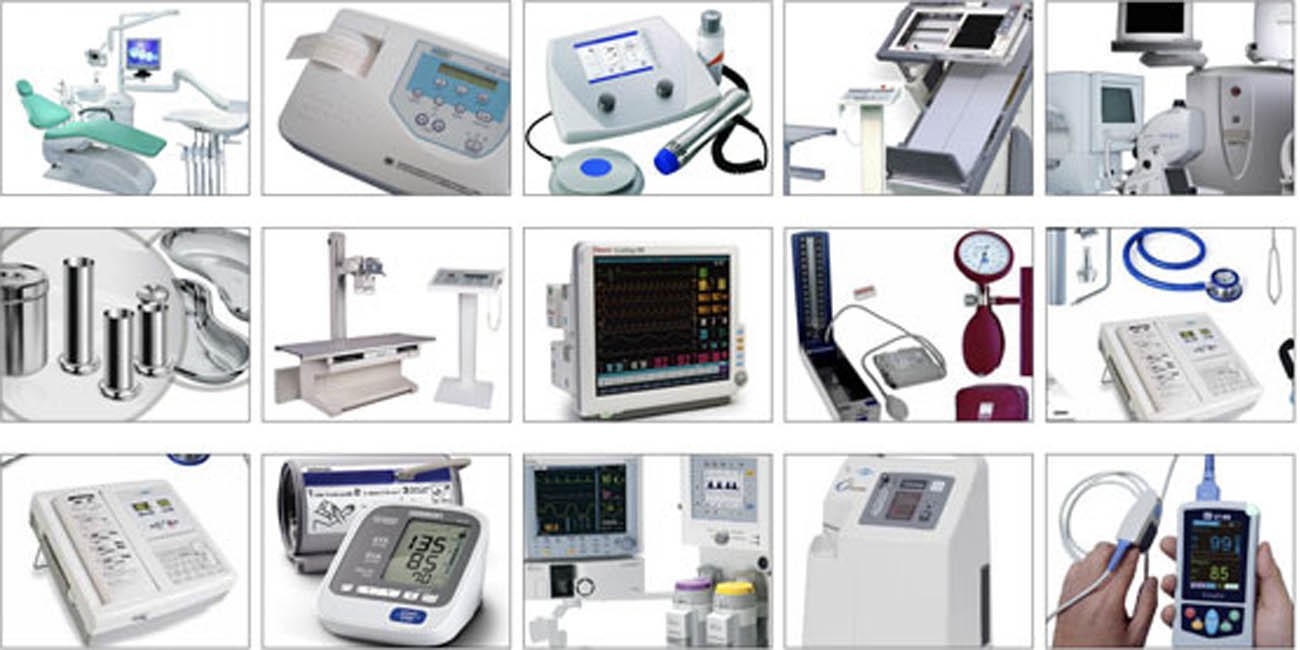
Medical equipment is typically
divided into several categories, each serving a unique purpose in healthcare
settings:
- Diagnostic Equipment:
Includes tools like X-ray machines, MRI scanners, and ultrasound machines,
used to detect medical conditions.
- Therapeutic Equipment:
Devices such as infusion pumps, ventilators, and dialysis machines that
aid in patient treatment.
- Monitoring Equipment:
Includes heart monitors, blood pressure monitors, and pulse oximeters,
helping healthcare professionals track patient vitals.
- Laboratory Equipment:
Tools used in medical labs, such as microscopes, centrifuges, and
analyzers, that support research and diagnosis.
- Surgical Instruments:
Scalpels, forceps, and retractors essential for performing surgeries with
precision.
- Durable Medical Equipment (DME): Long-lasting tools like wheelchairs, hospital beds,
and walkers that assist with patient mobility and comfort.
- Emergency Equipment:
Defibrillators, oxygen masks, and first aid kits crucial for emergency
care.
Each category is designed to fulfill
specific functions, allowing healthcare providers to deliver tailored care and
improve patient outcomes.
3.
Top Benefits of Investing in Quality Medical Equipment
Investing in high-quality medical
equipment comes with several benefits:
- Enhanced Accuracy:
Precision-engineered devices ensure accurate readings and diagnosis.
- Patient Safety:
Quality equipment minimizes the risk of malfunctions, reducing the
likelihood of errors.
- Long-Term Savings:
Durable equipment lasts longer, lowering replacement costs.
- Improved Patient Experience: Reliable tools enable smoother, faster procedures,
contributing to patient comfort.
- Compliance with Healthcare Standards: Quality equipment ensures that facilities meet
regulatory standards, which is critical for accreditation.
For these reasons, it’s essential to
prioritize high-quality medical equipment. Explore Ekra Cargo’s Medical Lab Equipment section for
trusted, industry-standard tools.
4.
Key Factors to Consider When Choosing Medical Equipment
Selecting the right medical
equipment requires careful consideration of several factors:
- Functionality and Purpose: Ensure the equipment meets your facility's specific
needs.
- Quality and Brand:
Opt for reputable brands known for quality and reliability.
- Ease of Use:
Equipment should be user-friendly for healthcare staff.
- Compatibility:
Ensure new equipment integrates smoothly with existing tools.
- Maintenance and Warranty: Consider the ease of maintenance and available
warranty for hassle-free use.
- Cost and Budget:
While quality is paramount, equipment should fit within your budget
constraints.
- Compliance and Safety Standards: Verify that the equipment adheres to national and
international medical standards.
By focusing on these factors,
healthcare providers can ensure they’re making well-informed, strategic
investments in their equipment.
5.
Maintenance Tips for Prolonging the Life of Medical Equipment
Proper maintenance is essential to
extend the lifespan and efficiency of medical equipment:
- Regular Inspections:
Check for any wear, corrosion, or damage frequently.
- Calibration:
Ensure devices are calibrated as needed to maintain accuracy.
- Cleaning and Sterilization: Follow recommended sterilization procedures to ensure
hygiene and safety.
- Software Updates:
For digital equipment, keep software up to date to prevent system errors.
- Proper Storage:
Store equipment in a clean, dry environment to avoid contamination.
Maintaining medical equipment is
vital not only for its longevity but also for ensuring patient safety and
accurate results.
6.
How Ekra Cargo Supports Your Medical Equipment Needs
Ekra Cargo is dedicated to providing
healthcare facilities with high-quality medical equipment that meets rigorous
industry standards. We offer a diverse range of products designed to support
various medical needs, from diagnostics to therapeutic tools.
Explore our complete range in Medical Lab Equipment and find the tools you need
for your facility. Each piece of equipment we offer is selected for its
reliability, durability, and performance, ensuring that you’re equipped to
provide the best possible care.
Frequently
Asked Questions about Medical Equipment
- What is the difference between diagnostic and
therapeutic equipment?
- Diagnostic equipment is used to identify medical
conditions, while therapeutic equipment is used in the treatment and
management of these conditions.
- How often should medical equipment be serviced?
- Regular servicing depends on the type of equipment,
but most should be checked at least once annually to maintain optimal
functionality.
- Is it necessary to purchase new medical equipment, or
is used equipment a good option?
- While used equipment may offer cost savings, new
equipment provides the latest technology, warranty benefits, and
reliability. It depends on the facility's needs and budget.
- What is DME in the medical field?
- DME stands for Durable Medical Equipment, which
includes long-lasting items like hospital beds, wheelchairs, and patient
lifts.
- Why is calibration important for medical equipment?
- Calibration ensures the equipment delivers accurate
measurements, which is essential for patient safety and diagnosis.
Conclusion
Medical equipment is foundational to
effective healthcare, supporting everything from diagnostics to treatment and
patient monitoring. Investing in quality, reliable equipment is essential for
healthcare facilities to provide top-tier care, improve patient safety, and
optimize operational efficiency.
At Ekra Cargo, we are committed to supplying
high-quality medical equipment tailored to the diverse needs of healthcare
providers. Explore our offerings to find trusted, durable, and efficient tools
that help make a difference in patient care.


Ekracargo.com - Your trusted partner in industrial efficiency, providing a wide range of premium quality spare parts at competitive prices.
Contact Info
- Address: House 54 | Road 14 | Sector 14 | Uttara | Dhaka 1230 | Bangladesh
- Phone: Contact: +8801634736139 (WhatsApp) ,+8801789394669 (WhatsApp)
- Email: info@ekracargo.com