




Mechanical Seal Types A Complete Beginner to Pro Guide | Best Rates | Buying Guide | Detailed Tips | Maintenance | FAQ |
Mechanical Seal Types: A Complete Beginner-to-Pro
Guide
Mechanical seals are critical
components in pumps and rotating equipment. They prevent fluid leakage, reduce
maintenance, and improve efficiency.
Whether you're new to mechanical seals or a seasoned professional looking for a refresher, this guide covers everything you need—from the basics to product recommendations.
Full details of shipment,
Check the product at Ekra Cargo
What
Is a Mechanical Seal?
A mechanical seal is a device that
helps join systems or mechanisms together by preventing leakage, containing
pressure, or excluding contamination.
It works by creating a seal between
a rotating shaft and a stationary pump housing.
Why
Are Mechanical Seals Important?
- Leak prevention:
Avoids fluid loss and environmental contamination.
- Longer equipment life:
Reduces wear and tear on pumps.
- Cost-effective:
Lowers maintenance and repair costs.
- Safe operations:
Prevents hazardous leaks in chemical or high-pressure applications.
Common
Types of Mechanical Seals
Understanding the different types
will help you choose the right one for your specific needs.
1.
Pusher Seals
These seals use a dynamic secondary
seal (like an O-ring) that moves with the shaft.
Pros:
- Handles axial movement
- Works in high-pressure systems
- Affordable
Cons:
- Not ideal for abrasive fluids
- Prone to O-ring wear over time
Best For: General-purpose pumps, water systems, and light chemical
processing.
2.
Non-Pusher Seals (Bellows Seals)
Instead of a dynamic O-ring, they
use a welded metal or elastomeric bellows.
Pros:
- No secondary seal movement—less wear
- Ideal for corrosive and dirty fluids
- Self-cleaning action
Cons:
- More expensive
- Limited axial flexibility
Best For: Chemical processing, pharmaceutical, and food-grade
applications.
3.
Balanced Seals
Balanced seals reduce the load on
the seal faces, allowing them to work under higher pressures.
Pros:
- Suitable for high-pressure environments
- Less heat generation
- Longer lifespan
Cons:
- More complex and costly
- Requires precise installation
Best For: High-speed pumps, high-viscosity fluids, and high-pressure
operations.
4.
Unbalanced Seals
These seals are simpler and less
costly but suited for lower-pressure operations.
Pros:
- Simple and economical
- Easy to install
Cons:
- Limited to low-pressure applications
- More wear on seal faces
Best For: Domestic water pumps, low-viscosity fluid systems.
5.
Cartridge Seals
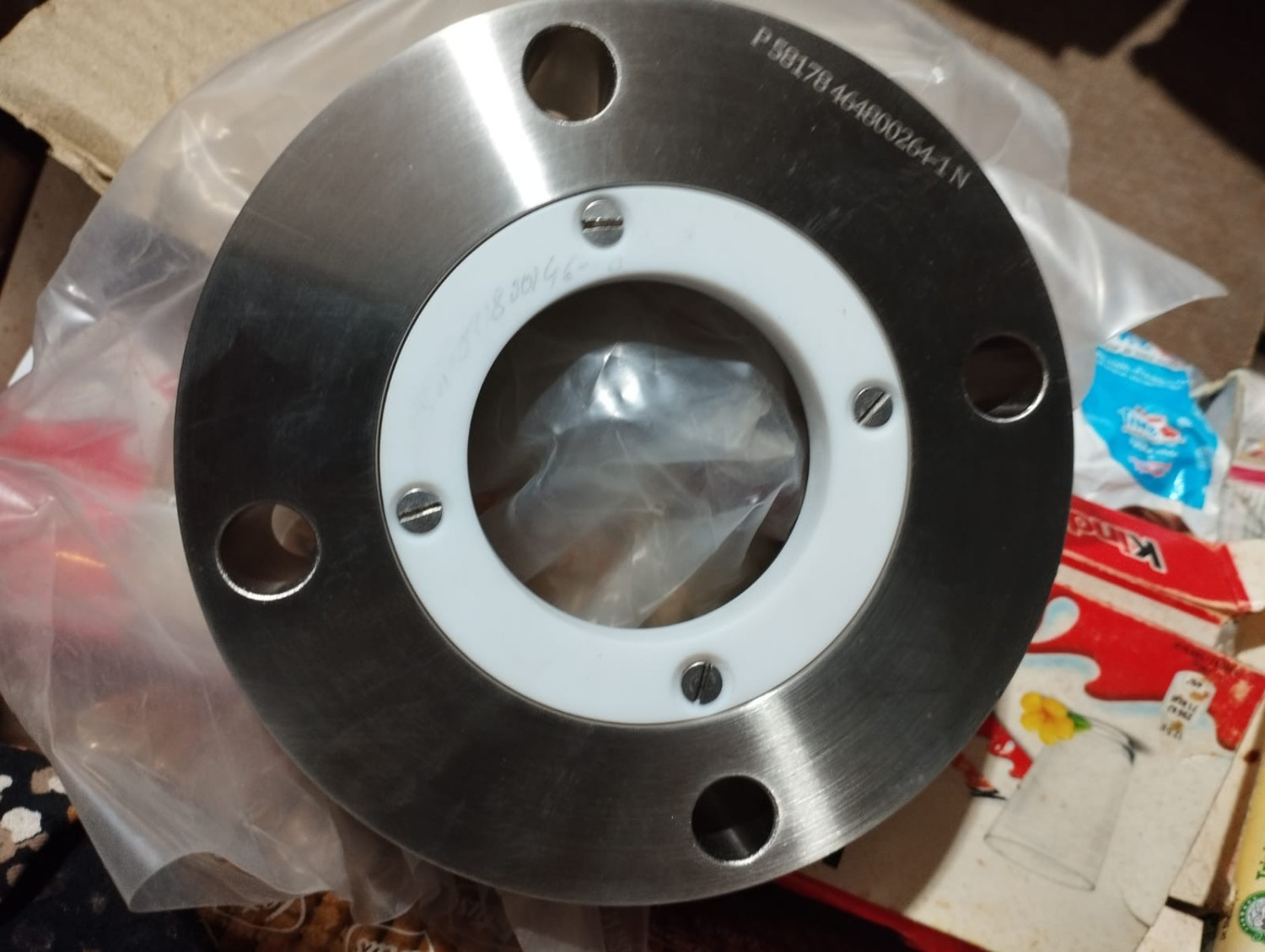
Cartridge seals come pre-assembled,
making installation quicker and safer.
Pros:
- Easy to install—reduces installation errors
- Pre-set spring tension
- Ideal for maintenance-friendly operations
Cons:
- Higher upfront cost
- Larger size may not fit all systems
Best For: Industrial pumps, maintenance-sensitive operations.
6.
Dry Running Seals
These seals operate without
lubrication from the process fluid.
Pros:
- Ideal for dry gas applications
- No product contamination
- Longer MTBF (Mean Time Between Failures)
Cons:
- Requires clean and dry gas
- Higher cost
Best For: Gas compressors, clean rooms, food and beverage industries.
Mechanical
Seal Selection Guide
Choosing the right seal depends on
various factors:
Consider
These Parameters:
- Fluid type
– Is it corrosive, abrasive, or clean?
- Pressure and temperature – What are the operational extremes?
- Speed
– Higher shaft speeds require specialized seals.
- Shaft size
– Must match the seal design.
- Environment
– Consider exposure to dust, heat, or chemicals.
Top
Mechanical Seal Recommendations
Here are some reliable products for
different needs:
AESSEAL CDSA™ Cartridge Seal
Pros:
- Cartridge design for easy installation
- Ideal for hazardous environments
- High-pressure tolerance
Cons:
- Higher cost
- Requires space for installation
Best For: Oil & gas, chemical processing
John Crane Type 1 Elastomer Bellows Seal
Pros:
- Versatile for various pump types
- Affordable
- Easy to replace
Cons:
- Not ideal for high pressures
- Requires clean fluid for long life
Best For: Water, HVAC systems, light-duty chemical
Flowserve ISC2 Series Balanced Seal
Pros:
- Balanced for high-pressure performance
- Modular design
- API 682 compliant
Cons:
- Complex for DIY users
- Premium pricing
Best For: Refineries, high-speed rotating equipment
My
Personal Experience
As an engineer working with
industrial pumps, I've found that cartridge seals are game-changers for
maintenance crews. We cut downtime by over 40% after switching from component
seals.
However, in simpler applications
like water pumps, non-pusher bellows seals provide excellent value and
longevity with minimal upkeep.
FAQs
About Mechanical Seals
Q1. What is the most commonly used
mechanical seal?
A: The pusher-type seal is the most widely used due to its flexibility and
cost-effectiveness.
Q2. Can I replace a mechanical seal
myself?
A: Yes, if it’s a cartridge seal. Other types may require professional
alignment and torque settings.
Q3. How long do mechanical seals
last?
A: Typically 1–3 years, depending on fluid type, speed, and operating
conditions.
Q4. What causes mechanical seal
failure?
A: Common causes include improper installation, dry running, and incompatible
materials.
Q5. Are mechanical seals better than
packing?
A: Yes. Mechanical seals offer better sealing, lower maintenance, and less
friction loss.
Final
Thoughts
Mechanical seals are small parts
with a big impact. Selecting the right type ensures long-lasting performance,
reduced maintenance, and safer operations.
Whether you’re running a factory or fixing a backyard pump, understanding mechanical seal types gives you an edge.


Ekracargo.com - Your trusted partner in industrial efficiency, providing a wide range of premium quality spare parts at competitive prices.
Contact Info
- Address: House 54 | Road 14 | Sector 14 | Uttara | Dhaka 1230 | Bangladesh
- Phone: Contact: +8801634736139 (WhatsApp) ,+8801789394669 (WhatsApp)
- Email: info@ekracargo.com