





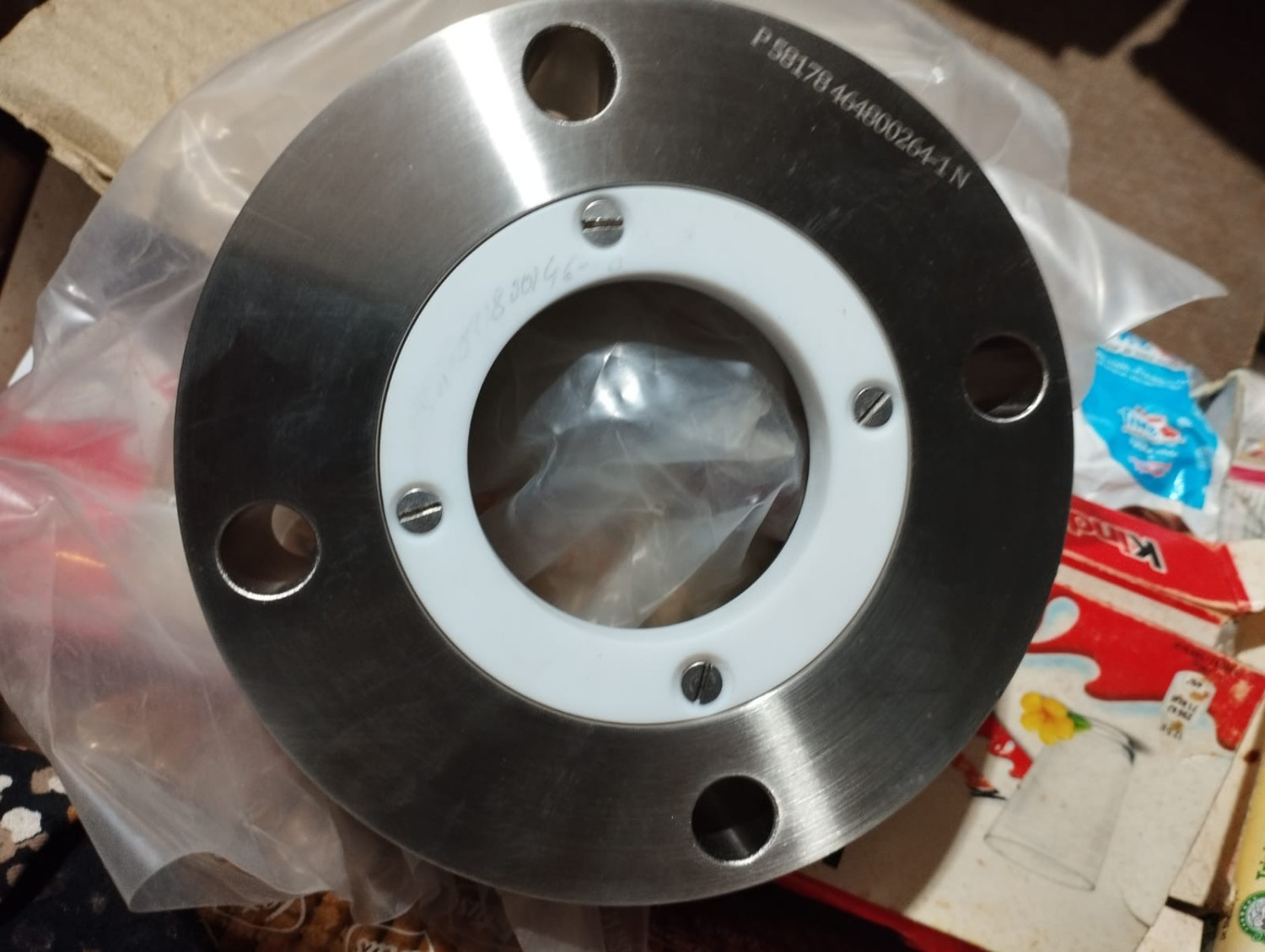
Mechanical Seal Pump A Complete Guide for Beginners and Professionals | FAQ |
Mechanical Seal Pump: A Complete Guide for Beginners and Professionals
If you work with pumps — in HVAC,
water treatment, or manufacturing — you’ve likely come across the term mechanical
seal pump. But what exactly is it? Why is it important? And how do you
choose the right one?
This guide breaks down everything you need to know in simple terms. Whether you're a beginner or a seasoned pro, we’ve got you covered.
Check the product at Ekra Cargo
What
Is a Mechanical Seal?
A mechanical seal uses a
sealing device (called a mechanical seal) to prevent fluid from leaking out
between the rotating shaft and the pump housing. It’s a big upgrade from older
packing seals that required frequent maintenance.
Why
Are Mechanical Seals Important?
Mechanical seals offer several
advantages:
- Leak prevention:
They create a tight seal, reducing or eliminating fluid leakage.
- Durability:
Less wear and tear compared to traditional packing.
- Efficiency:
Improve pump performance by reducing friction.
- Lower maintenance:
Less frequent replacements mean cost savings.
How
Does a Mechanical Seal Work?
A mechanical seal typically
includes:
- Rotating seal face
(attached to the shaft)
- Stationary seal face
(attached to the pump housing)
- Spring system
(keeps the faces pressed together)
- Secondary seals
(like O-rings or gaskets)
When the pump operates, the seal
faces stay tightly pressed, forming a barrier that keeps fluid inside — even
under pressure and high temperature.
Types
of Mechanical Seals
Here are the main types:
1.
Single Mechanical Seal
- Common in general-purpose pumps.
- Simple and affordable.
- Ideal for clean fluids.
2.
Double Mechanical Seal
- Uses two seals for added protection.
- Great for hazardous or abrasive fluids.
- Requires a barrier fluid between seals.
3.
Cartridge Seal
- Pre-assembled for easy installation.
- Reduces installation errors.
- Ideal for maintenance-heavy environments.
4.
Split Seal
- Designed to be installed without dismantling the pump.
- Best for large, hard-to-access pumps.
Key
Benefits of Mechanical Seals Pumps
- ✅ Leak-free operation
- ✅ Longer service life
- ✅ Improved energy efficiency
- ✅ Better safety for operators and environment
- ✅ Fewer shutdowns for maintenance
When
to Use a Mechanical Seal Pump
Mechanical pumps are used in:
- Water and wastewater treatment
- Oil and gas industry
- Chemical processing
- Food and beverage manufacturing
- Pharmaceutical plants
- HVAC and chiller systems
Buying
Guide: How to Choose the Right Mechanical Seal Pump
When selecting a pump with a
mechanical seal, consider the following:
1.
Fluid Type
- Is it clean water, slurry, or corrosive fluid?
- Choose compatible seal materials (e.g., Viton, Teflon,
carbon, silicon carbide).
2.
Operating Pressure & Temperature
- Know your system’s range.
- Higher pressures may require double or cartridge seals.
3.
Pump Speed
- High-speed pumps need precision seals to avoid
overheating.
4.
Installation Space
- Limited space? Split or cartridge seals may be best.
5.
Ease of Maintenance
- Choose cartridge seals for quick swaps and less
downtime.
Top
Mechanical Seal Pump Recommendations
Here are some of the best mechanical pumps available today:
1.
Goulds Water Technology – e-SV Series Stainless Steel Pump
Pros:
- High efficiency
- Corrosion-resistant stainless steel
- Cartridge-style mechanical seal
- Suitable for industrial and commercial use
Cons:
- Higher initial cost
- May be overkill for light-duty applications
2.
Grundfos CR Series Multistage Pumps
Pros:
- Extremely durable
- Energy-efficient design
- Wide range of sizes
- Double-seal options available
Cons:
- Requires professional installation
- Not budget-friendly for small businesses
3.
Ebara EVMS Vertical Multistage Pump
Pros:
- Compact and quiet
- Suitable for HVAC and clean water
- Easy seal replacement
Cons:
- Not ideal for abrasive fluids
- Limited flow range
My
Experience With Mechanical Seal Pumps
In my early days working in facility
maintenance, we used packing seals. They leaked often and needed constant
attention. When we upgraded to mechanical pumps, the difference was night
and day.
The cartridge seals were a
game-changer. They cut maintenance time by half and drastically reduced system
downtime. We used Grundfos CR pumps in our cooling systems — they’ve run
for years with minimal issues.
If you’re hesitant about the cost,
trust me — the long-term savings in labor and repairs are worth every penny.
FAQs
About Mechanical Pumps
1.
How long do mechanical seals last?
Typically 3–5 years, depending on
the application, fluid, and maintenance.
2.
Can I install a mechanical seal myself?
Yes, especially with cartridge or
split seals. But complex systems may need professional help.
3.
What causes mechanical seal failure?
Common reasons include dry running,
vibration, improper installation, and incompatible materials.
4.
Is a double seal always better?
Not always. Double seals are better
for harsh or hazardous environments. Single seals are fine for clean, low-risk
fluids.
5.
What’s the difference between a cartridge seal and a component seal?
Cartridge seals come pre-assembled. Component seals require manual assembly and alignment, which can lead to errors.
Final
Thoughts
A mechanical seal pump is an
essential upgrade for any fluid handling system. It improves performance,
reduces maintenance, and ensures safe operation. Whether you’re a beginner or a
professional, choosing the right seal and pump combination can save time,
money, and headaches.
Do your research, assess your needs, and invest in quality. You’ll thank yourself later.


Ekracargo.com - Your trusted partner in industrial efficiency, providing a wide range of premium quality spare parts at competitive prices.
Contact Info
- Address: House 54 | Road 14 | Sector 14 | Uttara | Dhaka 1230 | Bangladesh
- Phone: Contact: +8801634736139 (WhatsApp) ,+8801789394669 (WhatsApp)
- Email: info@ekracargo.com