





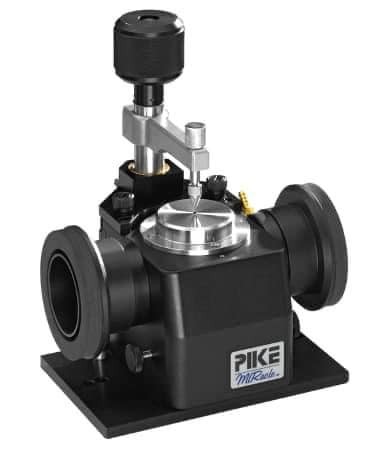
Mass Spectrometry
Mass Spectrometry: Unlocking the Secrets of Molecular Analysis
Mass spectrometry is a powerful analytical technique used to measure the mass-to-charge ratio of ions. It has become an indispensable tool in various scientific fields, from biochemistry to environmental science. This blog explores the fundamentals of mass spectrometry, its applications, and how it continues to revolutionize molecular analysis.
What is Mass Spectrometry?
Mass spectrometry (MS) is a technique used to identify and quantify molecules based on their mass-to-charge ratio. This method involves ionizing chemical compounds to generate charged molecules or molecule fragments and measuring their characteristics using an analyzer.
How Does Mass Spectrometry Work?
Mass spectrometry involves three main steps:
- Ionization: The sample is ionized to create charged particles.
- Mass Analysis: The ions are separated based on their mass-to-charge ratio.
- Detection: The separated ions are detected, and the data is analyzed to determine the molecular structure and composition.
Key Components of a Mass Spectrometer
- Ion Source: Converts sample molecules into ions.
- Mass Analyzer: Separates the ions based on their mass-to-charge ratio.
- Detector: Measures the quantity of ions at each mass-to-charge ratio.
- Data System: Collects and analyzes the data to produce a spectrum.
Applications of Mass Spectrometry
Mass spectrometry is used in a wide range of industries and research fields due to its precision and versatility. Here are some of its key applications:
Pharmaceutical Industry
In the pharmaceutical industry, mass spectrometry is crucial for:
- Drug Development: Identifying and quantifying drug metabolites.
- Quality Control: Ensuring the purity and potency of pharmaceutical products.
- Biomarker Discovery: Identifying biomarkers for disease diagnosis and treatment.
Environmental Analysis
Environmental scientists use mass spectrometry to:
- Monitor Pollution: Detecting trace levels of pollutants in air, water, and soil.
- Analyze Pesticides: Measuring pesticide residues in agricultural products.
- Study Climate Change: Analyzing isotopic compositions to understand climate variations.
Proteomics and Genomics
In the fields of proteomics and genomics, mass spectrometry aids in:
- Protein Identification: Analyzing protein structure and function.
- Genomic Sequencing: Identifying and quantifying nucleic acids.
- Post-translational Modifications: Studying protein modifications and interactions.
Food and Beverage Industry
The food and beverage industry relies on mass spectrometry for:
- Contaminant Detection: Identifying contaminants and adulterants in food products.
- Nutritional Analysis: Determining the nutritional content of food items.
- Flavor Profiling: Analyzing the composition of flavors and fragrances.
Advantages of Mass Spectrometry
Mass spectrometry offers numerous benefits, making it a preferred method for molecular analysis:
High Sensitivity and Specificity
Mass spectrometry can detect and identify compounds at very low concentrations, providing highly specific results.
Versatility
Mass spectrometry can analyze a wide range of sample types, including solids, liquids, and gases.
Rapid Analysis
Mass spectrometry provides quick results, which is essential for time-sensitive applications.
Structural Information
Mass spectrometry provides detailed information about the molecular structure, aiding in the identification and characterization of compounds.
Future Trends in Mass Spectrometry
As technology advances, mass spectrometry continues to evolve, bringing new capabilities and applications.
Miniaturization and Portability
The development of smaller, portable mass spectrometers allows for on-site and real-time analysis, expanding the scope of field applications.
Enhanced Sensitivity and Resolution
Advancements in ionization techniques and detector technology are leading to increased sensitivity and resolution, enabling the detection of even trace amounts of substances.
Integration with Other Techniques
Combining mass spectrometry with other analytical methods, such as chromatography or spectroscopy, provides more comprehensive and detailed analysis.
Automation and Artificial Intelligence
The integration of automation and AI in mass spectrometry is improving data analysis, increasing throughput, and reducing the potential for human error.
Mass spectrometry is a transformative tool in the realm of molecular analysis, offering unparalleled accuracy, versatility, and speed. Its applications span across numerous industries, including pharmaceuticals, environmental science, proteomics, and food safety. As technological advancements continue to enhance its capabilities, mass spectrometry will undoubtedly play a crucial role in future scientific discoveries and innovations.
By understanding the principles and applications of mass spectrometry, professionals across various fields can leverage this powerful technique to enhance their research, quality control, and problem-solving efforts. Stay tuned for the latest developments and breakthroughs in the exciting world of mass spectrometry.


Ekracargo.com - Your trusted partner in industrial efficiency, providing a wide range of premium quality spare parts at competitive prices.
Contact Info
- Address: House 54 | Road 14 | Sector 14 | Uttara | Dhaka 1230 | Bangladesh
- Phone: Contact: +8801634736139 (WhatsApp) ,+8801789394669 (WhatsApp)
- Email: info@ekracargo.com