




A Limit Switch Full Beginner's Guide | Best Rates | Buying Guide | Detailed Tips | Maintenance | FAQ |
What is a Limit Switch? Full Beginner's Guide
If you’ve ever worked with
industrial machinery, home appliances, or automated systems, you’ve probably
encountered a limit switch. Whether you're new to the field or sharpening your
knowledge, understanding limit switches is key to mastering automation and
machine control.
In this guide, I’ll break down limit switches in the simplest way possible. We’ll cover their uses, types, benefits, and how to pick the best one for your project.
Check the product at Ekra Cargo
What
is a Limit Switch?
A limit switch is an
electromechanical device used to detect the physical presence or position of an
object. When the object comes into contact with the switch, it activates (or
deactivates) an electrical circuit.
Common
Use Cases:
- Industrial automation
- Elevator systems
- Conveyor belts
- Garage doors
- CNC machines
- Robotics
Limit switches are small but mighty.
They help machines stay within safe operating limits and prevent accidents or
mechanical failures.
How
Does a Limit Switch Work?
The basic working principle is
straightforward:
1.
An object moves into contact with
the actuator.
2.
The actuator triggers the switch.
3.
The switch opens or closes the
circuit, sending a signal to stop, start, or reverse a machine.
This simple mechanism helps keep
machines safe and efficient.
Types
of Limit Switches
Limit switches come in several
types, each designed for specific applications.
1.
Lever-Type Limit Switch
- Uses a lever arm to detect motion.
- Great for conveyor belts and garage doors.
2.
Plunger-Type Limit Switch
- Uses a spring-loaded plunger.
- Common in elevators and industrial presses.
3.
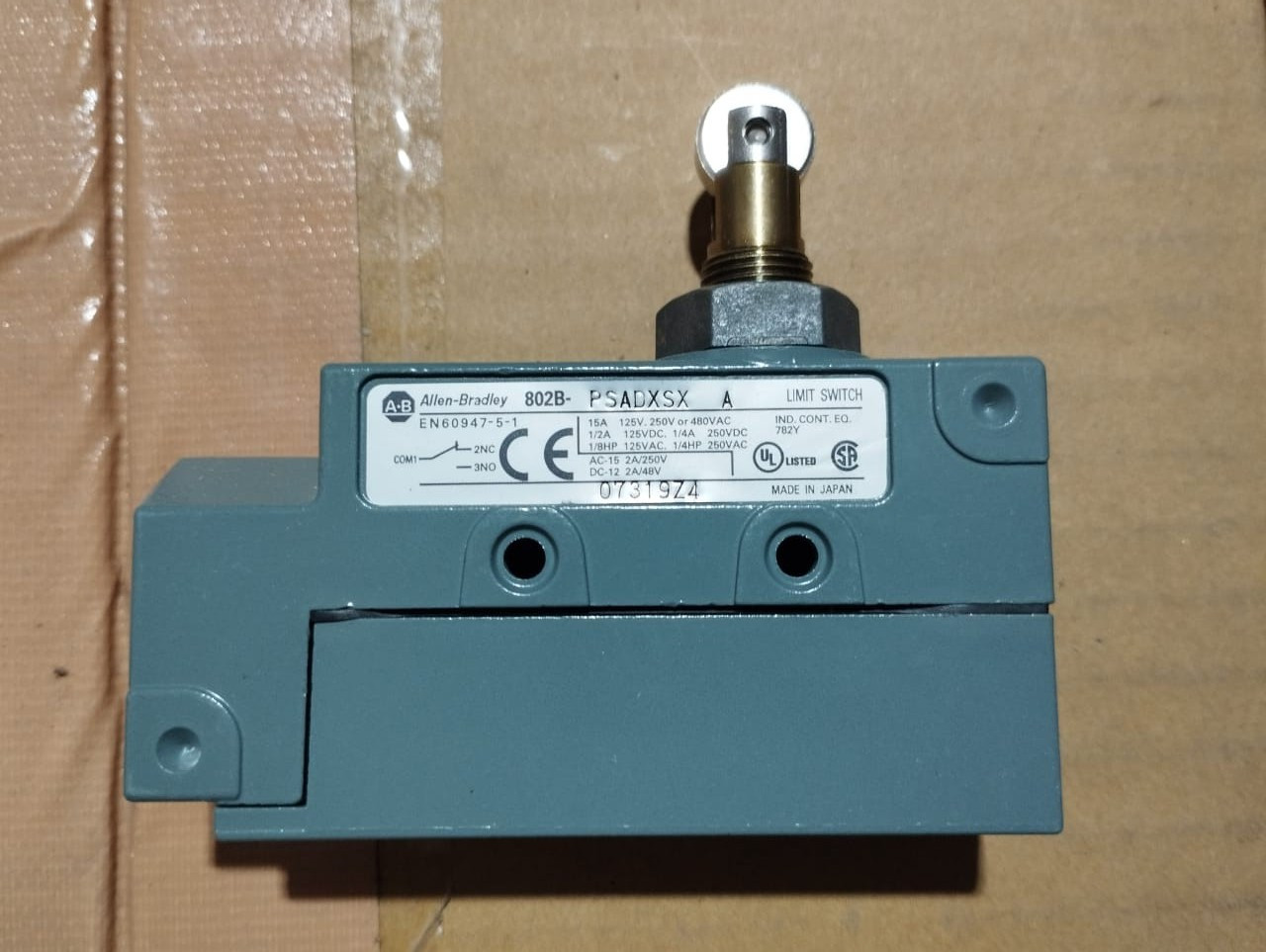
Roller Lever Limit Switch
- Combines a lever and a rolling wheel.
- Ideal for automated assembly lines.
4.
Whisker Limit Switch
- Features a thin wire “whisker.”
- Best for light-touch detection.
Advantages
of Limit Switches
- Durable:
Long-lasting even in harsh environments.
- Reliable:
Very accurate for repetitive tasks.
- Low Maintenance:
Minimal upkeep needed.
- Versatile:
Works with various machines and systems.
Disadvantages
of Limit Switches
- Physical Contact Needed: Wear and tear can happen.
- Limited Range:
Detects only objects within a specific distance.
- Mechanical Fatigue:
Moving parts can degrade over time.
Product
Recommendations
Here are a couple of reliable limit
switches I’ve used and recommend:
Honeywell SZL-VL-S Limit Switch
Pros:
- High precision
- Compact design
- Great for industrial use
Cons:
- A bit pricey
- Limited to specific voltage ratings
Omron D4MC-2020 Limit Switch
Pros:
- Robust build
- Easy to install
- High repeat accuracy
Cons:
- Slightly bulky
- Higher price for beginners
Buying
Guide: How to Choose a Limit Switch
Choosing the right limit switch
isn’t complicated if you know what to look for. Here are some helpful tips:
1.
Application Needs
- What machine or system are you working on?
- Do you need high sensitivity or durability?
2.
Actuator Type
- Lever, plunger, roller, or whisker — choose based on
object motion.
3.
Environment
- Is it dusty, wet, or exposed to chemicals? Pick a
switch with the right IP rating.
4.
Electrical Ratings
- Match the switch’s voltage and current limits to your
system.
5.
Brand Reliability
- Trusted brands like Honeywell, Omron, and Schneider
Electric offer better durability.
My
Personal Experience
When I first started working with
automated conveyor belts, I didn’t give limit switches much thought. But after
a few system failures and some unplanned downtime, I realized how crucial they
are.
A well-placed limit switch saved us
from a lot of costly repairs. I prefer models with high IP ratings and metal
construction for industrial setups. If you're working in a home environment,
plastic-bodied switches work just fine.
FAQs
About Limit Switches
✅
What is a limit switch used for?
A limit switch is used to control
the movement of machinery, prevent damage, and ensure safety by detecting the
position of objects.
✅
Are limit switches normally open or closed?
They can be both! It depends on your
wiring. You can configure them as normally open (NO) or normally
closed (NC).
✅
Can limit switches fail?
Yes, like any mechanical device,
limit switches can wear out over time, especially in harsh environments.
✅
Where are limit switches installed?
They’re usually installed at the end
of a machine's range of motion to prevent overtravel or to signal a stopping
point.
✅
What’s the difference between a limit switch and a proximity sensor?
Limit switches require physical contact to trigger, while proximity sensors can detect objects without touching them.
Final
Thoughts
Limit switches are simple but
essential components for anyone working in automation, manufacturing, or
electronics. Picking the right one saves time, boosts safety, and avoids costly
repairs.
Whether you’re a beginner setting up a garage door system or a professional designing industrial machinery, understanding limit switches will make your projects smoother and safer.


Ekracargo.com - Your trusted partner in industrial efficiency, providing a wide range of premium quality spare parts at competitive prices.
Contact Info
- Address: House 54 | Road 14 | Sector 14 | Uttara | Dhaka 1230 | Bangladesh
- Phone: Contact: +8801634736139 (WhatsApp) ,+8801789394669 (WhatsApp)
- Email: info@ekracargo.com