




Ion Exchange HPLC: A Complete Guide to Advanced Chromatography Techniques
Ion Exchange HPLC: Understanding Techniques,
Applications, and Essential Equipment
Ion exchange chromatography is a specialized form of
High-Performance Liquid Chromatography (HPLC) essential for separating and
analyzing ionic compounds, such as proteins, nucleotides, and peptides. This
technique leverages ionic interactions to separate analytes based on charge,
making it crucial in pharmaceuticals, environmental testing, biotechnology, and
chemical research.
At Ekra Cargo, we provide cutting-edge
laboratory equipment like the Thermo TSQ Quantum Discovery
Max MS System, which supports efficient, high-resolution ion
exchange HPLC for accurate and reliable results. This blog delves into the
fundamentals of ion exchange HPLC, its applications, and how advanced equipment
enhances the capabilities of laboratories.
For more information on Ekra Cargo’s Thermo TSQ Quantum Discovery Max MS System, visit here.
What is Ion Exchange HPLC?
Ion exchange HPLC is an analytical technique that separates
compounds based on their ionic properties. The technique uses a stationary
phase with charged groups, which attract opposite charges of the analyte,
allowing for the separation of cations and anions. As a result, ion exchange
HPLC is particularly useful in analyzing mixtures with ionic compounds, helping
scientists achieve precise, high-quality separation.
How Does Ion Exchange HPLC Work?
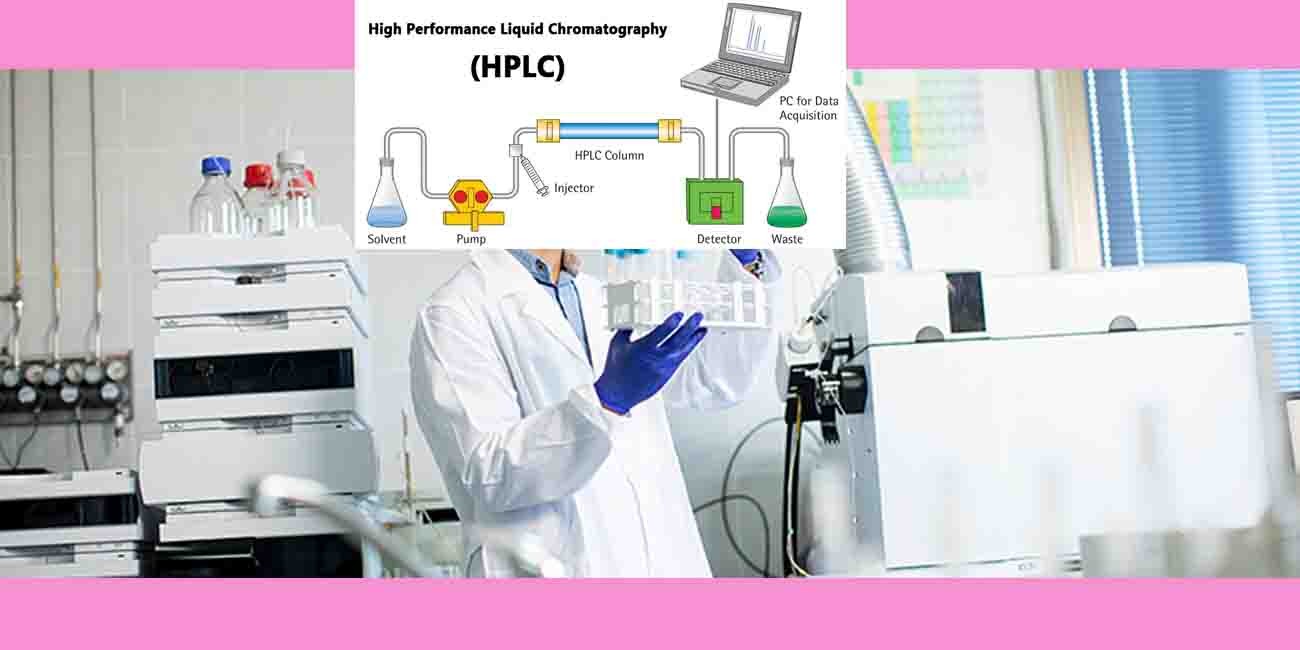
In ion exchange HPLC, an eluent (mobile phase) carries analytes
through a column containing charged stationary phase particles. The stationary
phase can be positively or negatively charged, attracting oppositely charged
analytes. As the analytes interact with the charged stationary phase, they are
separated based on their affinity for the charge type.
Two main types of ion exchange chromatography include:
·
Cation
Exchange Chromatography:
This involves a negatively charged stationary phase, which attracts positively
charged analytes (cations).
·
Anion
Exchange Chromatography:
This technique uses a positively charged stationary phase to retain negatively
charged analytes (anions).
The separation process is often regulated by adjusting the
eluent's ionic strength or pH, allowing for selective retention and elution of
different analytes.
Applications of Ion Exchange HPLC
Ion exchange HPLC is widely used in several industries and
research fields due to its precision and efficiency in analyzing ionic
substances. Here are some of its primary applications:
1. Pharmaceutical Industry:
·
Ion exchange HPLC is
crucial for quality control, purity testing, and the separation of active
pharmaceutical ingredients (APIs). It also aids in analyzing drug stability,
formulation, and degradation products.
2. Biotechnology and Life Sciences:
·
In biotechnology, ion
exchange HPLC helps separate and purify proteins, peptides, amino acids, and
nucleotides, making it a fundamental tool in molecular biology research.
3. Environmental Testing:
·
This technique is
essential in environmental labs to detect pollutants, anions, and cations in
water, soil, and air samples, supporting environmental monitoring and pollution
control efforts.
4. Food and Beverage Industry:
·
Ion exchange HPLC can
analyze food components, including amino acids, vitamins, and inorganic ions.
It is also used to detect food additives, contaminants, and allergens.
5. Clinical Diagnostics:
·
Medical laboratories
use ion exchange HPLC to test and analyze biochemical markers, such as
hemoglobin variants, which are crucial for diagnosing conditions like diabetes
and sickle cell anemia.
Advantages of Ion Exchange HPLC
1. High Selectivity:
·
Ion exchange HPLC
provides selective separation of ions, making it highly effective for complex
mixtures containing various ionic species.
2. Versatile Applications:
·
The technique is
suitable for a broad range of analytes, including proteins, peptides, and other
charged molecules, offering extensive applications across industries.
3. Precise and Accurate Results:
·
With the right
equipment, ion exchange HPLC delivers precise and reliable analysis, making it
ideal for quality control and regulatory compliance.
4. Scalability:
·
The technique is
scalable for both small-scale lab analysis and industrial production, which is
advantageous in the pharmaceutical and food industries.
5. Efficient for Complex Samples:
·
Ion exchange HPLC
effectively separates complex biological samples and environmental pollutants,
enhancing the accuracy of scientific analysis.
Thermo TSQ Quantum Discovery Max MS System:
Enhancing Ion Exchange HPLC
To maximize the efficiency and accuracy of ion exchange HPLC,
it’s essential to use advanced equipment. Ekra Cargo offers the Thermo TSQ Quantum Discovery Max MS System, a
high-performance mass spectrometry solution that enhances HPLC analysis by
providing precise, reliable data and expanding detection capabilities.
Key Benefits of the Thermo TSQ Quantum
Discovery Max MS System
1. High Sensitivity and Specificity:
·
The Thermo TSQ Quantum
system detects even trace amounts of ionic compounds, making it ideal for
research requiring high sensitivity and specificity.
2. Superior Resolution and Accuracy:
·
The system provides
high-resolution data, essential for accurate analysis in ion exchange HPLC,
particularly for samples with complex ionic profiles.
3. Advanced Detection Technology:
·
Equipped with mass
spectrometry (MS), this system offers unmatched specificity, expanding the
scope of ion exchange HPLC for more comprehensive testing.
4. Automated Workflow:
·
Automation features
reduce errors, streamline workflows, and allow high sample throughput,
enhancing lab efficiency for routine and high-demand testing.
5. Versatile Compatibility:
·
The system is
compatible with various HPLC methods, allowing for flexible analysis in
multiple research and industrial applications.
Choosing the Right Equipment for Ion Exchange
HPLC
High-quality equipment is essential to perform accurate and
reliable ion exchange HPLC testing. The Thermo TSQ Quantum Discovery Max MS
System, available through Ekra Cargo, ensures precision, sensitivity, and high
throughput in ion exchange analysis. It’s an ideal choice for laboratories
aiming to enhance analytical quality and efficiency.
Explore Ekra Cargo’s advanced HPLC and MS equipment here: Thermo TSQ Quantum Discovery Max MS System.
Conclusion
Ion exchange HPLC is a powerful technique that has transformed
analytical testing in industries ranging from pharmaceuticals to environmental
science. It provides high sensitivity, selectivity, and scalability, making it
an invaluable tool for separating and analyzing ionic compounds. By investing
in advanced equipment like the Thermo TSQ Quantum Discovery
Max MS System from Ekra Cargo, laboratories can elevate their
ion exchange HPLC analysis to new levels of accuracy and reliability.
Whether you're in pharmaceutical quality control, environmental
monitoring, or biotech research, Ekra Cargo provides the equipment and
expertise to support your lab's needs. Discover our range of laboratory
solutions today, and enhance your testing capabilities with state-of-the-art
technology.


Ekracargo.com - Your trusted partner in industrial efficiency, providing a wide range of premium quality spare parts at competitive prices.
Contact Info
- Address: House 54 | Road 14 | Sector 14 | Uttara | Dhaka 1230 | Bangladesh
- Phone: Contact: +8801634736139 (WhatsApp) ,+8801789394669 (WhatsApp)
- Email: info@ekracargo.com