




Impeller vs Propeller What's the Difference and Which One Do You Need | FAQ |
Impeller vs Propeller: What's the Difference and Which
One Do You Need?
When it comes to moving fluids or
generating thrust, impellers and propellers are two of the most common tools
used across industries. They might look similar at first glance, but they work
in very different ways. Whether you're choosing a boat motor, pump, or jet ski,
understanding the differences between an impeller vs propeller can help
you make better buying decisions.
In this article, we’ll break it all down in a beginner-friendly yet technically accurate way. You'll learn how each one works, where they’re used, pros and cons, and how to pick the right one for your needs.
Check the product at Ekra Cargo
What
is an Impeller?
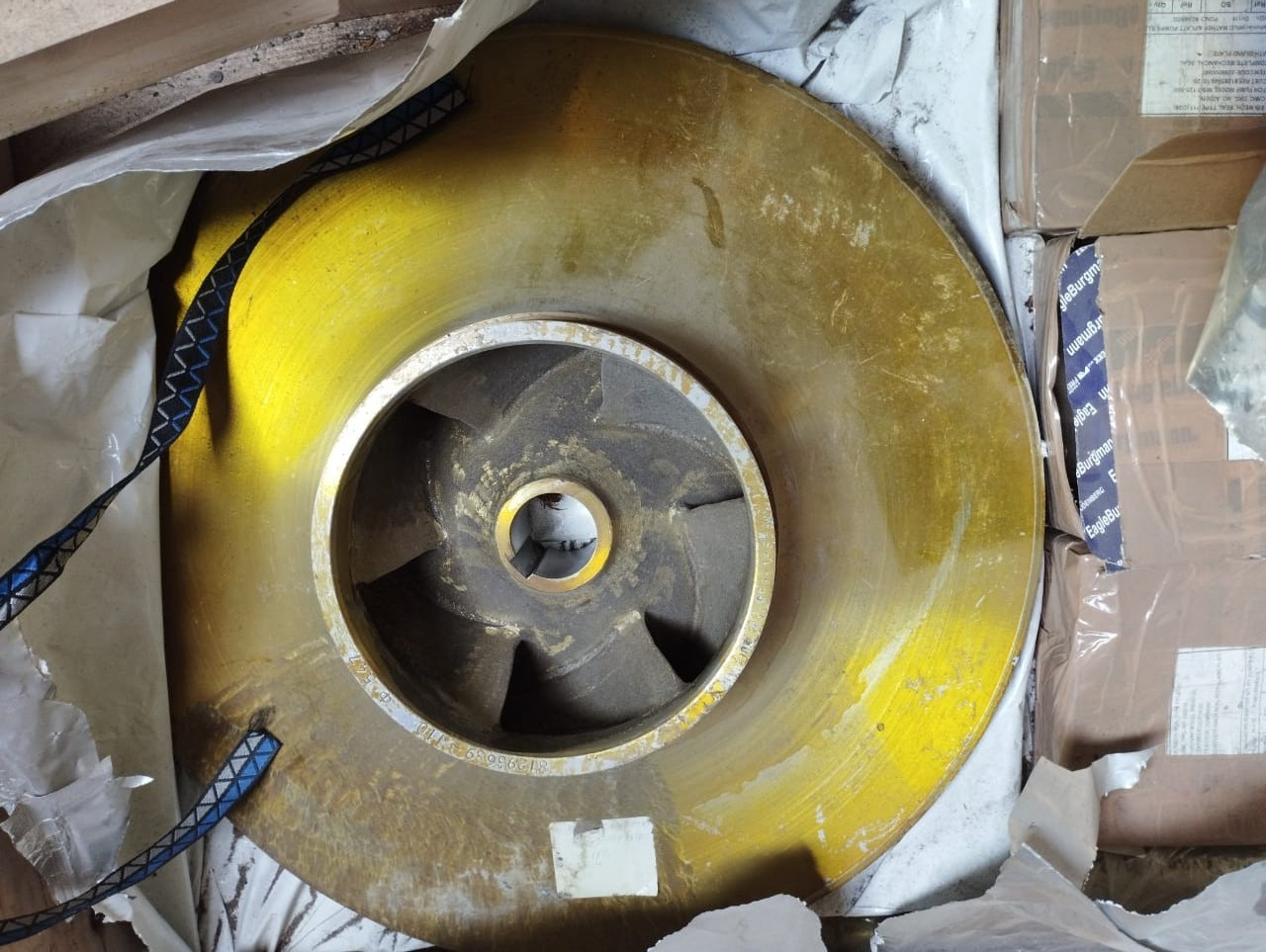
An impeller is a rotating
component of a pump or jet system. It moves fluids by spinning rapidly, using
centrifugal force to push the fluid outward from the center.
How
It Works:
- Rotates inside a pump casing or housing
- Uses centrifugal force to move liquid
- No open blades like a propeller—more enclosed
Common
Uses:
- Water pumps
- Jet skis and jet boats
- Industrial centrifugal pumps
- Pool and spa systems
What
is a Propeller?
A propeller is a device with
blades that rotates in water or air to create thrust. It pushes against the
medium to move a boat or aircraft forward.
How
It Works:
- Blades spin around a central hub
- Uses Newton’s third law—thrust in one direction pushes
the object the other way
- Common in open water or air movement
Common
Uses:
- Boats and ships
- Airplanes and drones
- Submarines
- Ventilation systems
Key
Differences Between Impeller and Propeller
|
Feature |
Impeller |
Propeller |
|
Function |
Moves fluids inside a casing |
Produces thrust in open fluid/air |
|
Design |
Enclosed, compact, few vanes |
Open, multiple blades |
|
Medium |
Usually liquids |
Water or air |
|
Efficiency |
High pressure, low volume |
High volume, lower pressure |
|
Use Case |
Pumps, jet propulsion |
Boats, aircraft |
Pros
and Cons
Impeller
Pros:
- Ideal for closed systems
- Efficient for high-pressure applications
- Great in shallow water (jet skis, jet boats)
- Lower chance of injury or damage from external debris
Cons:
- Complex design
- Can clog if debris enters
- Typically harder to maintain
Propeller
Pros:
- High-speed propulsion
- Easier to repair or replace
- Widely used in marine and aerial applications
- Better for larger, open-water systems
Cons:
- Dangerous in debris-filled waters
- Exposed blades can be a safety risk
- Not effective in shallow waters
Which
One Should You Choose?
It depends on your needs. Here’s a
quick guide:
Choose
an Impeller if:
- You need a water pump
- You operate in shallow or debris-filled water
- You want a jet ski or jet boat
- You require high-pressure fluid movement
Choose
a Propeller if:
- You’re piloting a boat or drone
- You want high thrust in open environments
- You need to move large volumes over long distances
- You operate in deep, clean waters
Product
Recommendations
1.
SEAFLO 12V Marine Water Pump (Impeller Type)
Great for RVs, boats, and marine
applications.
Pros:
- Self-priming
- Built-in pressure switch
- Corrosion-resistant
Cons:
- Not ideal for large-scale industrial use
Buy on Amazon or marine supply
stores
2.
Minn Kota Endura C2 30 Freshwater Trolling Motor (Propeller Type)
Perfect for small fishing boats and
kayaks.
Pros:
- Quiet operation
- Easy to mount and control
- Durable composite shaft
Cons:
- Not powerful enough for larger boats
Buy on Amazon or outdoor equipment
stores
3.
Rule 3700 GPH Bilge Pump (Impeller)
Used in large boats for removing
water.
Pros:
- Heavy-duty construction
- Efficient water removal
- Reliable motor
Cons:
- Installation can be tricky for beginners
4.
Yamaha Aluminum Propeller for Outboards
Ideal for recreational boaters.
Pros:
- Durable aluminum build
- Easy to install
- High thrust
Cons:
- Aluminum may dent over time compared to stainless steel
Buying
Guide: What to Consider
Before you buy an impeller or
propeller, consider these factors:
1.
Application
- What are you using it for—pumping, thrust, or both?
2.
Environment
- Is it saltwater, freshwater, air, or industrial liquid?
3.
Power Requirements
- Make sure your engine or motor supports the component.
4.
Material
- Stainless steel, plastic, aluminum—each has different
benefits.
5.
Size and Compatibility
- Check the shaft size, diameter, and fit for your
system.
Personal
Experience
As someone who regularly works with
both boat maintenance and home irrigation systems, I’ve had hands-on experience
with both impellers and propellers.
For my jet ski, the impeller
system has been fantastic. It’s safer around kids and works great in shallow
lakes. However, for my fishing boat, nothing beats the thrust and
simplicity of a standard propeller.
I’ve also replaced a clogged
impeller in a pool pump once—it wasn’t fun, but it taught me to always check
for debris screens!
Frequently
Asked Questions
Can
I use an impeller instead of a propeller?
Not usually. Impellers work inside
casings for fluid movement; propellers work in open space for thrust.
Which
is more efficient?
It depends. Impellers are better for
pressure; propellers are better for thrust.
Are
impellers safer?
Yes, especially in shallow water or
near swimmers. They are enclosed and less likely to cause injury.
How
often should I replace an impeller?
Every 1-2 years for marine use, or
if performance drops significantly.
Can
a propeller be used in dirty water?
It can, but it’s risky. Debris can damage the blades or get tangled.
Final
Thoughts
Choosing between an impeller vs
propeller boils down to your application and environment. Impellers are
great for enclosed systems and shallow waters, while propellers excel in open
environments with a need for thrust.
Whether you're powering a jet ski, pumping water from a basement, or cruising on a lake, understanding these tools can save you time, money, and headaches.


Ekracargo.com - Your trusted partner in industrial efficiency, providing a wide range of premium quality spare parts at competitive prices.
Contact Info
- Address: House 54 | Road 14 | Sector 14 | Uttara | Dhaka 1230 | Bangladesh
- Phone: Contact: +8801634736139 (WhatsApp) ,+8801789394669 (WhatsApp)
- Email: info@ekracargo.com