




Impeller Types A Complete Guide for Beginners | Best Rates | Buying Guide | Detailed Tips | Maintenance | FAQ |
Impeller Types: A Complete Guide for Beginners &
Pros
Impellers play a vital role in pumps
and mixers. They move fluid by spinning, creating flow and pressure. Choosing
the right impeller type can boost efficiency, save energy, and reduce
maintenance.
In this guide, we’ll explore different types of impellers, how they work, when to use each, and which ones are best for your needs.
Full caret loaded full set-up
Check the product at Ekra Cargo
What
Is an Impeller?
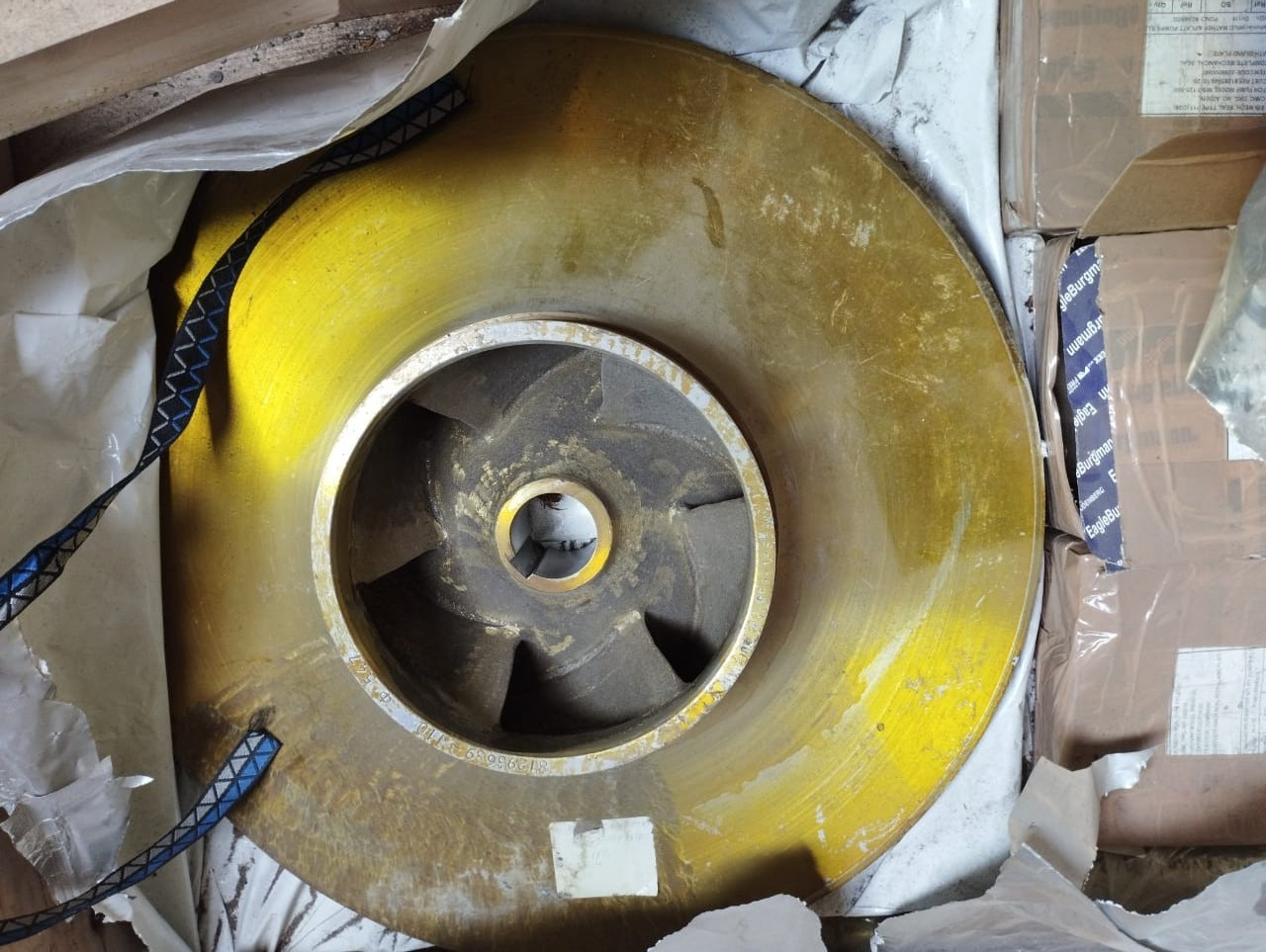
An impeller is a rotating part
inside a pump. It transfers energy from the motor to the fluid. As the impeller
spins, it moves liquid through the system. Impellers come in different shapes
and materials to suit different jobs.
Main
Types of Impellers
There are three main types of
centrifugal pump impellers:
1.
Closed Impeller
Best for: Clean liquids with low viscosity.
Features:
- Enclosed blades
- High efficiency
- Requires tight clearances
Pros:
- Very efficient
- Ideal for high-pressure systems
- Suitable for high-flow rates
Cons:
- Sensitive to clogging
- Requires precise alignment
- Not good with solids or slurries
2.
Open Impeller
Best for: Slurries and liquids with solid particles.
Features:
- Blades are open on both sides
- Easy to clean
- Often used in food and chemical industries
Pros:
- Handles solids well
- Less prone to clogging
- Easier to inspect
Cons:
- Lower efficiency
- Wears out faster
- Needs more frequent maintenance
3.
Semi-Open Impeller
Best for: Medium solids and viscous liquids.
Features:
- Open on one side, closed on the other
- Balances flow and solids handling
Pros:
- Good balance of efficiency and solids handling
- Works with dirty fluids
- Easier to maintain than closed impellers
Cons:
- Not as efficient as closed impellers
- Can wear faster in abrasive environments
Specialty
Impellers
Some pumps use special impellers for
specific jobs:
4.
Vortex Impeller
- Creates a whirlpool effect
- Ideal for sewage or wastewater
- No direct contact with solids
5.
Channel Impeller
- Wide passages
- Good for fibrous solids
- Used in industrial waste and slurry handling
6.
Multi-Stage Impeller
- Multiple impellers stacked
- Used in high-pressure systems like boilers
Materials
Used in Impellers
Choosing the right material matters
just as much as the type. Here are common materials:
- Stainless Steel:
Corrosion-resistant, durable
- Bronze:
Good for marine use, corrosion-resistant
- Plastic/Polymer:
Lightweight, chemical-resistant, affordable
- Cast Iron:
Strong and durable, but heavy
Product
Recommendations
Here are some top-rated impellers
and pump assemblies with their pros and cons:
1.
Wayne PC4 1/2 HP Cast Iron Multi-Purpose Pump
Type: Semi-open impeller
Material: Cast Iron
Price: $$
Pros:
- Durable and powerful
- Handles light solids
- Great for home and garden use
Cons:
- Not ideal for thick sludge
- Heavier than plastic models
2.
Flotec FP5172 Centrifugal Pump
Type: Closed impeller
Material: Stainless Steel
Price: $$$
Pros:
- High efficiency
- Long-lasting stainless steel
- Great for clear water transfer
Cons:
- Not for dirty water
- Requires precise alignment
3.
Tsurumi HS2.4S Submersible Trash Pump
Type: Vortex impeller
Material: Thermoplastic
Price: $$$
Pros:
- Can pump dirty water with solids
- Lightweight and submersible
- Low clogging risk
Cons:
- Lower efficiency
- Limited to low-to-medium flow rates
Buying
Guide: How to Choose the Right Impeller
Choosing the best impeller depends
on your application. Ask yourself:
1.
What Type of Fluid Will You Pump?
- Clean water? Go for closed impellers
- Water with solids? Choose open or vortex
impellers
2.
Do You Need High Pressure or High Flow?
- Closed impellers
work better at high pressure
- Open impellers
are better for high solids content
3.
Maintenance Frequency
- If you need easy cleaning, choose an open impeller
- For long-term use with little maintenance, consider a closed
or semi-open impeller
4.
Budget
- Plastic impellers
are affordable
- Stainless steel
is more expensive but lasts longer
Personal
Experience
As someone who has worked on both
residential and industrial pump setups, I’ve found that semi-open impellers are
a solid middle ground. They handle mild solids, require less maintenance, and
are forgiving during installation.
For home projects like garden
irrigation or sump draining, I’ve had great luck with vortex
impellers—especially when debris is involved. On the other hand, in
professional HVAC or boiler systems, nothing beats the reliability and
efficiency of a closed impeller.
FAQs
What
is the most efficient type of impeller?
Closed impellers are generally the
most efficient but work best with clean liquids.
Can
impellers handle solids?
Yes, but only certain types. Open,
semi-open, and vortex impellers are designed to handle solids.
How
often should I replace an impeller?
It depends on usage and material. On
average, check and replace every 1–3 years for most pumps.
Can
I replace an impeller myself?
Yes, if you’re handy. Just make sure the power is off, follow manufacturer instructions, and match the impeller type and size.
Final
Thoughts
Impellers may seem simple, but choosing the right one makes a huge difference. It affects performance, maintenance, and even energy bills. Whether you're a beginner buying your first pump or a pro looking to upgrade, understanding impeller types will help you make smarter choices.


Ekracargo.com - Your trusted partner in industrial efficiency, providing a wide range of premium quality spare parts at competitive prices.
Contact Info
- Address: House 54 | Road 14 | Sector 14 | Uttara | Dhaka 1230 | Bangladesh
- Phone: Contact: +8801634736139 (WhatsApp) ,+8801789394669 (WhatsApp)
- Email: info@ekracargo.com