




Hydraulic Motor Types A Complete Guide for Beginners & Pros | Detailed Tips | Maintenance | FAQ |
Hydraulic Motor Types: A Complete Guide for Beginners
& Pros
Hydraulic motors play a key role in
powering machinery in industries like construction, agriculture, and
manufacturing. They convert hydraulic pressure into mechanical energy, which
powers everything from small tools to massive excavators.
If you're confused about which type of hydraulic motor to choose, you're not alone. This guide will walk you through the main types, top product recommendations, pros and cons, and what to look for when buying one.
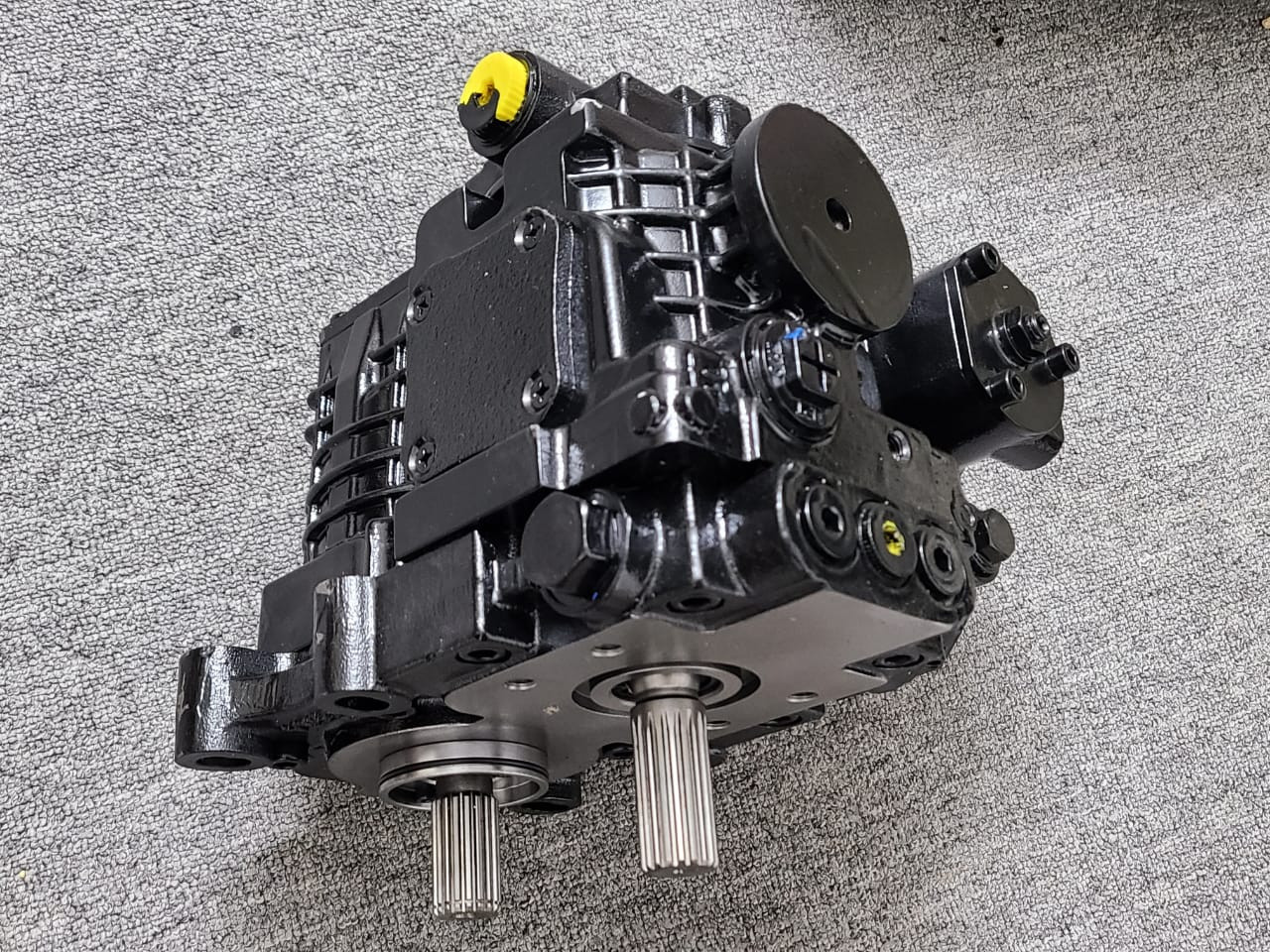
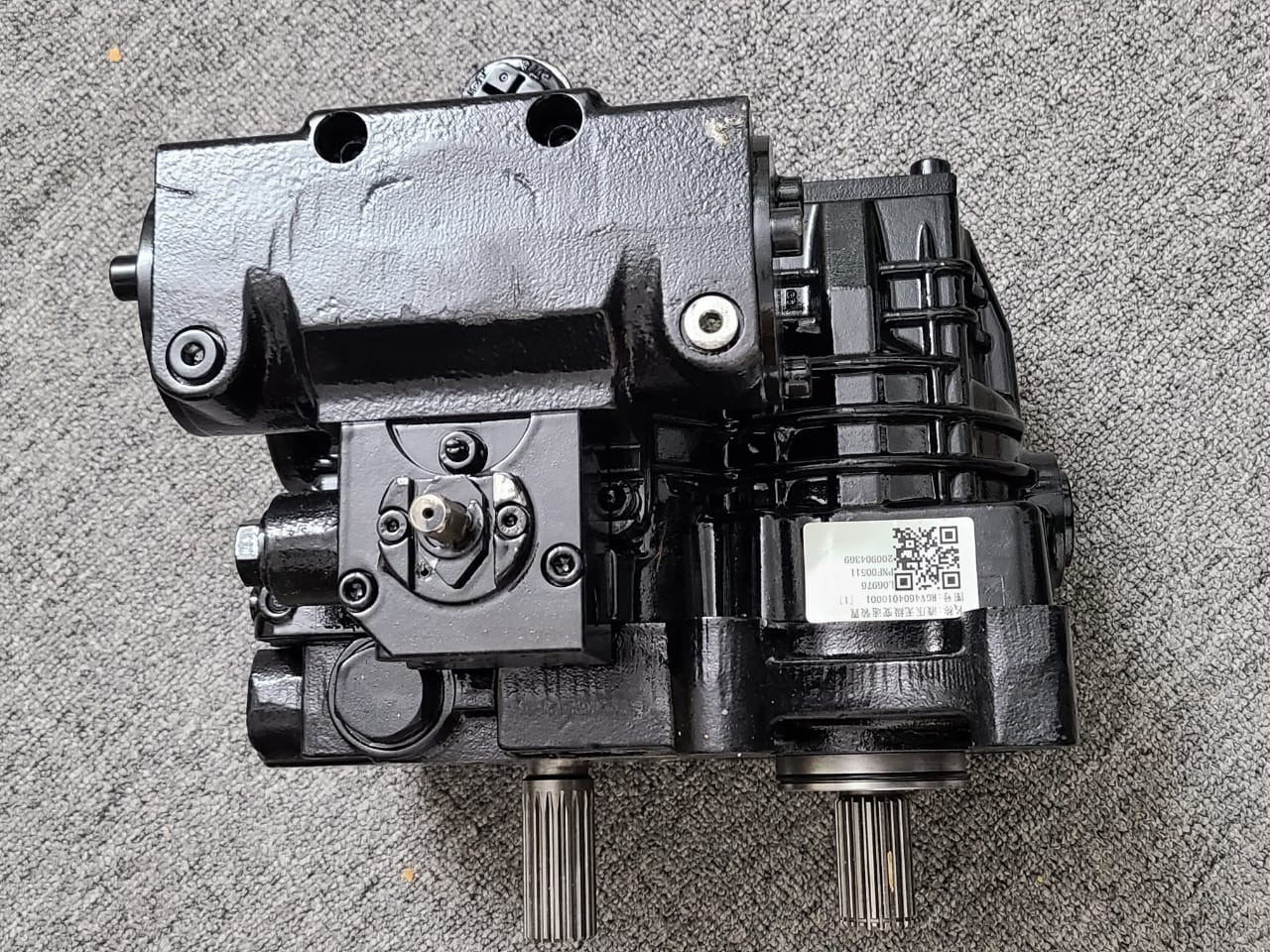
Check the product at Ekra Cargo
What Is a Hydraulic Motor?
A hydraulic motor is a mechanical
actuator that converts hydraulic energy (fluid power) into rotary motion. It's
essentially the opposite of a hydraulic pump.
Hydraulic motors are often used in:
- Industrial machinery
- Agricultural equipment
- Construction vehicles
- Marine applications
⚙️
Main Types of Hydraulic Motors
Let’s break down the three most
common types:
1.
Gear Hydraulic Motors
How They Work:
Gear motors use meshing gears to push fluid and generate torque.
Pros:
- Simple design
- Cost-effective
- Reliable in harsh conditions
Cons:
- Lower efficiency
- Less torque control
Best For: Basic applications like conveyors, lifts, and agricultural
tools.
2.
Vane Hydraulic Motors
How They Work:
Vane motors use retractable vanes inside a rotor to create motion as fluid
flows.
Pros:
- Smooth operation
- Mid-level efficiency
- Good for variable speed
Cons:
- Moderate wear over time
- Sensitive to contamination
Best For: Light to medium-duty applications such as packaging
machinery or small vehicles.
3.
Piston Hydraulic Motors
How They Work:
These motors use pistons driven by hydraulic fluid to generate motion. There
are two types: axial and radial piston motors.
Pros:
- High efficiency
- Excellent torque
- Can handle high pressure
Cons:
- Expensive
- Complex maintenance
Best For: Heavy-duty uses like construction equipment, winches, and
drilling machines.
Top Hydraulic Motor Recommendations
1.
Parker TG Series Torque Motor (Piston Type)
Pros:
- Handles high pressure (up to 4500 PSI)
- Extremely durable
- Smooth and consistent torque
Cons:
- Higher price point
- May be overkill for light applications
Best Use: Industrial and heavy-duty machinery.
2.
Eaton Char-Lynn 101 Series (Gerotor/Gear Type)
Pros:
- Compact design
- Cost-efficient
- Good speed control
Cons:
- Not ideal for high-pressure tasks
Best Use: Small loaders, augers, and conveyors.
3.
Hydraulic Vane Motor by Bosch Rexroth
Pros:
- Excellent for mid-range applications
- Reliable performance
- Easy installation
Cons:
- May not suit high-impact tasks
Best Use: Automated manufacturing systems.
Buying Guide: How to Choose the Right Hydraulic Motor
When selecting a hydraulic motor,
keep the following in mind:
✅
1. Application Type
- Light duty: Choose gear or vane motors
- Medium to heavy duty: Opt for piston motors
✅
2. Torque Requirements
- High torque = piston motor
- Medium torque = vane motor
- Low torque = gear motor
✅
3. Speed Control
- Need smooth speed? Go for vane or piston
- Gear motors are less precise
✅
4. Budget
- Gear motors are budget-friendly
- Piston motors offer performance at a higher cost
✅
5. Maintenance
- Simpler motors (gear) require less maintenance
- Advanced motors (piston) need expert care
FAQs About Hydraulic Motor Types
Q1:
Can I replace one type of hydraulic motor with another?
In most cases, no. The hydraulic
system must be compatible with the motor type, flow, and pressure requirements.
Q2:
Are hydraulic motors reversible?
Yes, many are. Reversible motors can
run in both clockwise and counterclockwise directions.
Q3:
What's the difference between a hydraulic pump and a hydraulic motor?
A pump creates flow; a motor uses
flow to create motion. They do opposite jobs in the hydraulic system.
Q4:
Which motor type lasts the longest?
Piston motors typically last longer
if maintained properly, but gear motors are more tolerant of tough conditions.
Personal Experience
In one of my previous projects
involving a mobile scissor lift, we initially chose a gear motor for cost
reasons. While it worked fine at first, it struggled under heavy loads. We
upgraded to a piston motor and noticed an immediate improvement in performance,
efficiency, and speed control.
Lesson learned: spending a bit more on the right motor can save time and money in the long run.
Final Thoughts
Choosing the right hydraulic motor
doesn’t have to be hard. Start by understanding your application’s needs. Match
them with the right motor type—gear, vane, or piston. Don’t forget to consider
speed, torque, and budget.
With the right knowledge (and this guide), you're well on your way to powering your projects efficiently and effectively.


Ekracargo.com - Your trusted partner in industrial efficiency, providing a wide range of premium quality spare parts at competitive prices.
Contact Info
- Address: House 54 | Road 14 | Sector 14 | Uttara | Dhaka 1230 | Bangladesh
- Phone: Contact: +8801634736139 (WhatsApp) ,+8801789394669 (WhatsApp)
- Email: info@ekracargo.com