




Hydraulic Motor Pump Everything You Need to Know | Best Rates | Buying Guide | Detailed Tips | Maintenance | FAQ |
Hydraulic Motor Pump: Everything You Need to Know
Hydraulic motors pump play a
critical role in many mechanical and industrial systems. Whether you’re working
with heavy machinery, agricultural tools, or construction equipment, these
devices are key to powering movement and control.
If you're new to hydraulics or looking to upgrade your current setup, this guide is for you.
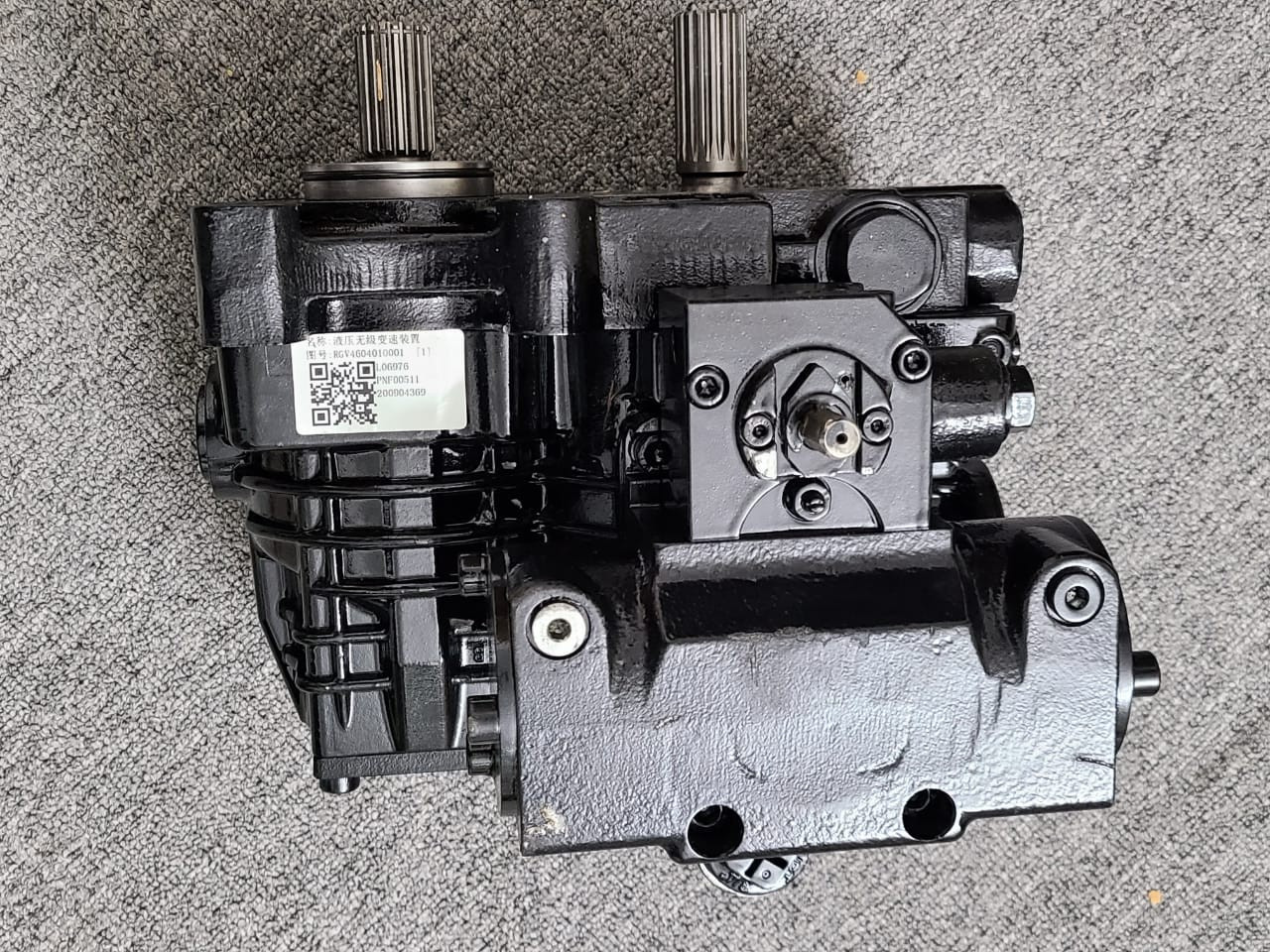
Check the product at Ekra Cargo
What
Is a Hydraulics Motor Pump?
A hydraulic motors pump is a
mechanical device that converts hydraulic energy (fluid pressure) into
mechanical energy (movement). It's part of a broader hydraulic system that
typically includes a pump, motor, reservoir, and valves.
Key
Functions:
- Transfers pressurized fluid
- Powers machinery
- Controls speed and direction of movement
Hydraulic motors and pumps often
work together, but they have distinct roles:
- Pump:
Converts mechanical energy to hydraulic power.
- Motor:
Converts hydraulic power back to mechanical movement.
Types
of Hydraulic Motor Pumps
There are several types of hydraulic
motors pumps based on design and application:
1.
Gear Pumps
- Simple and cost-effective
- Great for low to medium pressure
2.
Vane Pumps
- Smooth operation
- Good for medium pressure systems
3.
Piston Pumps
- Handles high pressure
- Ideal for heavy-duty applications
4.
Gerotor/Geroler Motors
- Compact and efficient
- Often used in low-speed applications
Benefits
of Using Hydraulic Motors Pumps
- ✅ High Power Density – Delivers more power in a
compact design
- ✅ Precise Control – Ideal for machines that
require exact movement
- ✅ Durability – Built for tough environments and
long-term use
- ✅ Flexibility – Supports a wide range of
applications
Where
Are Hydraulic Motors Pumps Used?
These pumps are widely used across
industries:
- Construction Equipment: Excavators, loaders, bulldozers
- Agriculture:
Tractors, harvesters, sprayers
- Manufacturing:
Presses, conveyor systems
- Marine:
Winches, steering systems
- Automotive:
Hydraulic lifts and jacks
Buying
Guide: How to Choose the Right Hydraulic Motor Pump
Here’s what to consider before
buying:
1.
Operating Pressure
- Know the pressure requirements of your system (usually
in PSI or bar).
2.
Flow Rate
- Check how much fluid the pump can deliver (measured in
GPM or L/min).
3.
Motor Speed
- Ensure the speed matches your application needs.
4.
Mounting & Size
- Choose a design that fits your equipment layout.
5.
Fluid Compatibility
- Make sure it works with your hydraulic fluid (oil type,
viscosity, etc.).
6.
Budget vs. Performance
- Don’t overspend, but avoid underpowered pumps for
demanding tasks.
Top
Hydraulic Motors Pump Recommendations
Here are some trusted options with
pros and cons:
1. VEVOR Hydraulic Gear Pump 11 GPM
- Type:
Gear
- Flow Rate:
11 GPM
- Max Pressure:
3600 PSI
Pros:
- Affordable and easy to install
- Compact and lightweight
- Great for tractors and log splitters
Cons:
- Not ideal for high-demand industrial setups
- Can be noisy at high speeds
2. Parker Hydraulic Piston Pump PVP16
- Type:
Piston
- Flow Rate:
Variable (High-capacity)
Pros:
- High efficiency
- Ideal for industrial and commercial use
- Long service life
Cons:
- Expensive
- Requires professional installation
3. Bosch Rexroth Vane Pump PV7
- Type:
Vane
- Pressure:
Up to 160 bar
Pros:
- Quiet operation
- Energy-efficient
- Reliable in medium-pressure systems
Cons:
- Higher upfront cost
- Requires regular maintenance
Personal
Experience & Tips
Having worked with hydraulic systems
in both agriculture and small-scale manufacturing, I’ve learned a few valuable
lessons:
- Match the pump to the job. Don’t buy a high-end piston pump for a log
splitter—it’s overkill.
- Regular maintenance matters. Change hydraulic fluid regularly to keep performance
high.
- Noise levels vary.
Gear pumps are noisier than vane or piston types.
- Don't mix components.
Always match motor and pump specs to avoid wear and inefficiency.
Maintenance
Tips
Keep your pump in good shape with
these simple practices:
- Change hydraulic oil every 500-1000 hours
- Keep the reservoir clean and free of
contaminants
- Check seals and hoses for leaks
- Monitor pressure and flow regularly
FAQs
About Hydraulic Motor Pumps
Q1:
Can I use a hydraulic pump as a motor?
Not directly. While some designs
allow reversible function, most pumps and motors are not interchangeable due to
design differences.
Q2:
What’s the difference between open and closed hydraulic systems?
- Open system:
Fluid returns to the reservoir after use
- Closed system:
Fluid circulates continuously between pump and motor
Q3:
How do I calculate hydraulic pump size?
Use this formula:
Flow Rate (GPM) = (Pump RPM × Pump
Displacement) ÷ 231
Q4:
What oil is best for hydraulic systems?
Use ISO VG 32 or 46 hydraulic oils
unless the manufacturer recommends otherwise.
Q5:
Are hydraulic motors pumps safe for DIY?
Yes, but follow safety protocols. Always depressurize the system before maintenance.
Conclusion
Hydraulic motor pumps are essential
tools in many industries. Whether you're just starting or managing a complex
system, choosing the right pump can make all the difference in efficiency and
safety.
Take the time to assess your needs, compare options, and don’t forget maintenance. With the right approach, your hydraulic system will run smoothly for years.


Ekracargo.com - Your trusted partner in industrial efficiency, providing a wide range of premium quality spare parts at competitive prices.
Contact Info
- Address: House 54 | Road 14 | Sector 14 | Uttara | Dhaka 1230 | Bangladesh
- Phone: Contact: +8801634736139 (WhatsApp) ,+8801789394669 (WhatsApp)
- Email: info@ekracargo.com