




A Comprehensive Guide to HPLC Testing Cost: Factors That Affect Your Budget
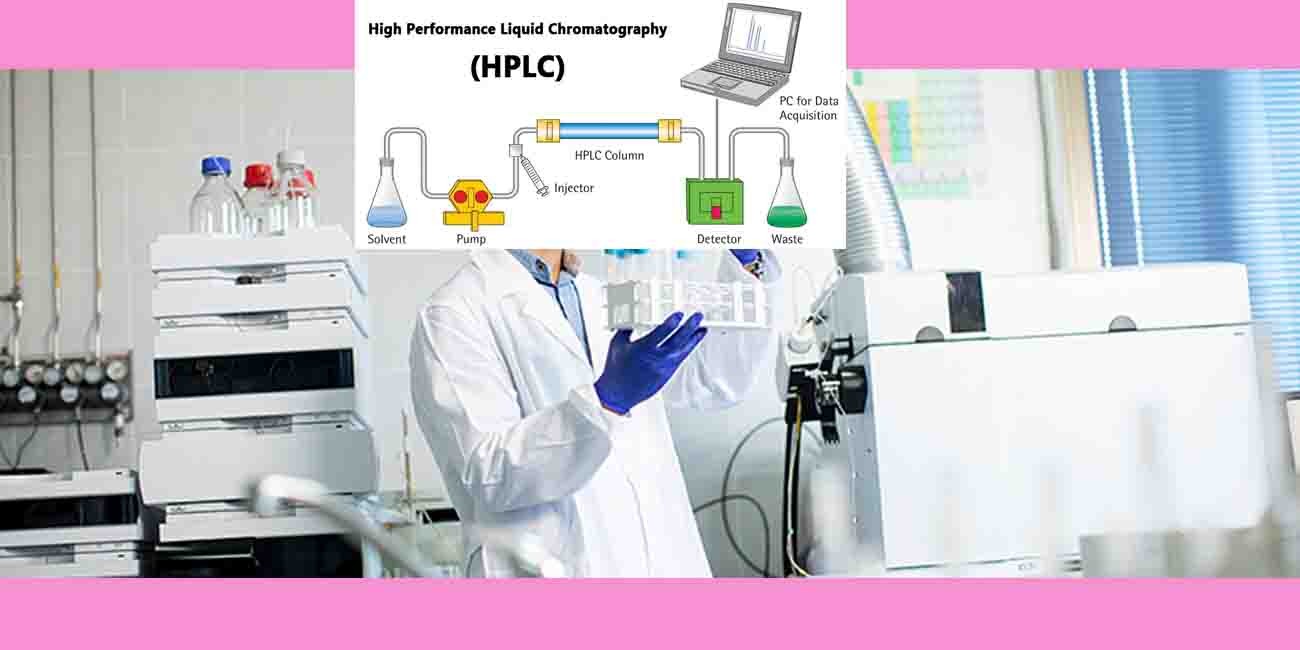
High-Performance
Liquid Chromatography (HPLC) is a critical technique used in scientific
laboratories for separating, identifying, and quantifying components in a
mixture. It is widely used across industries such as pharmaceuticals, food
safety, environmental monitoring, and clinical diagnostics. However, one common
question that arises when considering HPLC services is: How much does HPLC testing cost?
Understanding
the cost structure for HPLC testing is essential for labs, researchers, and
businesses seeking to integrate HPLC into their workflow. The cost can vary
significantly based on several factors, including the complexity of the sample,
the type of analysis, and the equipment used. In this blog, we’ll break down
the factors that influence HPLC testing costs and introduce you to how Ekra
Cargo’s Thermo TSQ Quantum Discovery Max MS System offers
a cost-effective solution for your HPLC analysis needs.
Learn
more about our advanced HPLC-MS system here.
Key Factors That Influence HPLC Testing Cost
1. Sample Complexity: The more complex the sample, the more labor-intensive the
testing process becomes. Complex samples that require extensive pre-treatment
or have a variety of compounds may increase the cost of testing. Samples with
trace compounds or complex matrices often require advanced techniques, which
can increase testing time and cost.
2. Type of Analysis: Different types of analyses, such as quantitative or
qualitative analysis, can affect the cost. Quantitative analysis, where precise
measurements are needed, often takes more time and resources, leading to higher
costs. On the other hand, qualitative analysis, which involves identifying
compounds, may be less expensive but still requires skilled operators and
accurate equipment.
3. Laboratory Equipment: The cost of the equipment used in HPLC testing is one of the
most significant factors. Older or less efficient HPLC systems may incur higher
operational costs, while more advanced systems like the Thermo TSQ Quantum Discovery Max MS System can
improve the efficiency of the testing process and reduce overall costs.
4. Time and Labor:
The time required to prepare samples, run tests, and analyze results will
directly impact the cost. Time-consuming tests or those that require multiple
runs or specialized equipment will naturally lead to higher charges.
5. Reagents and Consumables: The cost of reagents, solvents, and other consumables used in
HPLC testing is another important factor. The quality of these materials can
vary, and some specialized reagents can be costly. Using high-purity chemicals
and solvents may increase testing costs, but it can also improve the accuracy
and reliability of results.
6. Data Analysis and Reporting: Comprehensive data analysis, including advanced statistical methods
or mass spectrometry data interpretation, can add to the overall cost of HPLC
testing. These analyses often require specialized software and skilled
personnel to generate reports that meet industry standards.
7. Regulatory Compliance: For industries such as pharmaceuticals, food safety, and
environmental testing, compliance with industry regulations can impact the cost
of HPLC testing. Ensuring that tests meet all regulatory requirements often
involves additional documentation, validation processes, and quality control
measures, all of which contribute to the final cost.
How Ekra Cargo’s Thermo TSQ Quantum Discovery
Max MS System Reduces HPLC Testing Costs
Investing
in a high-quality HPLC system can significantly reduce the overall cost of
testing by improving efficiency, accuracy, and throughput. Ekra Cargo’s Thermo TSQ Quantum Discovery Max MS System is a
cutting-edge piece of equipment designed to enhance HPLC testing. Here’s how it
offers a cost-effective solution for HPLC analysis:
1. High Sensitivity and Accurate
Quantification:
The Thermo TSQ Quantum Discovery Max MS System provides
highly sensitive results with excellent quantification abilities. This
precision reduces the need for multiple test runs, saving both time and
reagents, ultimately lowering operational costs.
2. Increased Throughput:
With
advanced technology, this system allows for faster sample processing, which
means more tests can be performed in a shorter amount of time. This increased
throughput reduces the cost per sample, making it an affordable option for
high-volume testing.
3. Versatility and Multiple
Applications:
The Thermo TSQ Quantum Discovery Max MS System supports
various types of HPLC techniques, including reverse-phase, ion-exchange, and
size-exclusion chromatography, making it adaptable for a wide range of
applications. Its ability to perform a diverse set of tests helps reduce the
need for different equipment, cutting down on additional testing costs.
4. Reduced Reagent Usage:
The
high efficiency of the system allows for optimized reagent use, reducing waste
and the need for frequent replenishments. By consuming fewer consumables,
laboratories can cut down on ongoing costs related to reagents and solvents.
5. Advanced Data Analysis:
The
integration of Mass Spectrometry (MS) with HPLC offers more detailed results,
enabling researchers to perform more complex analyses without requiring
additional instruments. This reduces the need for outsourcing services and the
associated costs of using multiple platforms for data interpretation.
6. Long-Term Cost Savings:
Although
the initial investment in a high-performance HPLC-MS system may be higher, the
long-term benefits outweigh the upfront cost. The Thermo TSQ Quantum Discovery Max MS System provides
consistent, reliable results, which reduces the need for repeat tests, lowering
the overall cost of analysis.
You
can learn more about how this system can reduce your HPLC testing costs here.
Benefits of Investing in a Reliable HPLC
System
1. Increased Precision: Enhanced accuracy and reproducibility reduce errors, leading
to fewer repeat tests and more reliable results.
2. Efficiency:
Faster results allow for more samples to be processed within the same
timeframe, increasing laboratory productivity.
3. Lower Operational Costs: With fewer reagents and consumables used, as well as reduced
maintenance costs, you can expect a significant reduction in overall
operational expenses.
4. Regulatory Compliance: A reliable HPLC system helps ensure compliance with regulatory
standards, minimizing the risk of errors and costly violations.
5. Scalability:
Advanced systems can scale with your laboratory’s needs, accommodating growing
sample sizes and evolving industry requirements without incurring substantial
additional costs.
Conclusion
HPLC
testing is a critical part of modern scientific research and quality control
across a variety of industries. Understanding the factors that contribute to
HPLC testing costs can help laboratories and businesses make informed decisions
about their testing needs.
Ekra
Cargo’s Thermo TSQ Quantum Discovery Max MS System is an
excellent investment that not only improves the accuracy and efficiency of your
HPLC testing but also helps reduce long-term operational costs. Whether you’re
working in pharmaceuticals, food safety, or environmental testing, this
advanced system provides the precision and performance required for
high-quality analysis while keeping costs manageable.
To
discover how the Thermo TSQ Quantum Discovery Max MS System can
streamline your HPLC testing process and reduce costs, explore more here.


Ekracargo.com - Your trusted partner in industrial efficiency, providing a wide range of premium quality spare parts at competitive prices.
Contact Info
- Address: House 54 | Road 14 | Sector 14 | Uttara | Dhaka 1230 | Bangladesh
- Phone: Contact: +8801634736139 (WhatsApp) ,+8801789394669 (WhatsApp)
- Email: info@ekracargo.com