



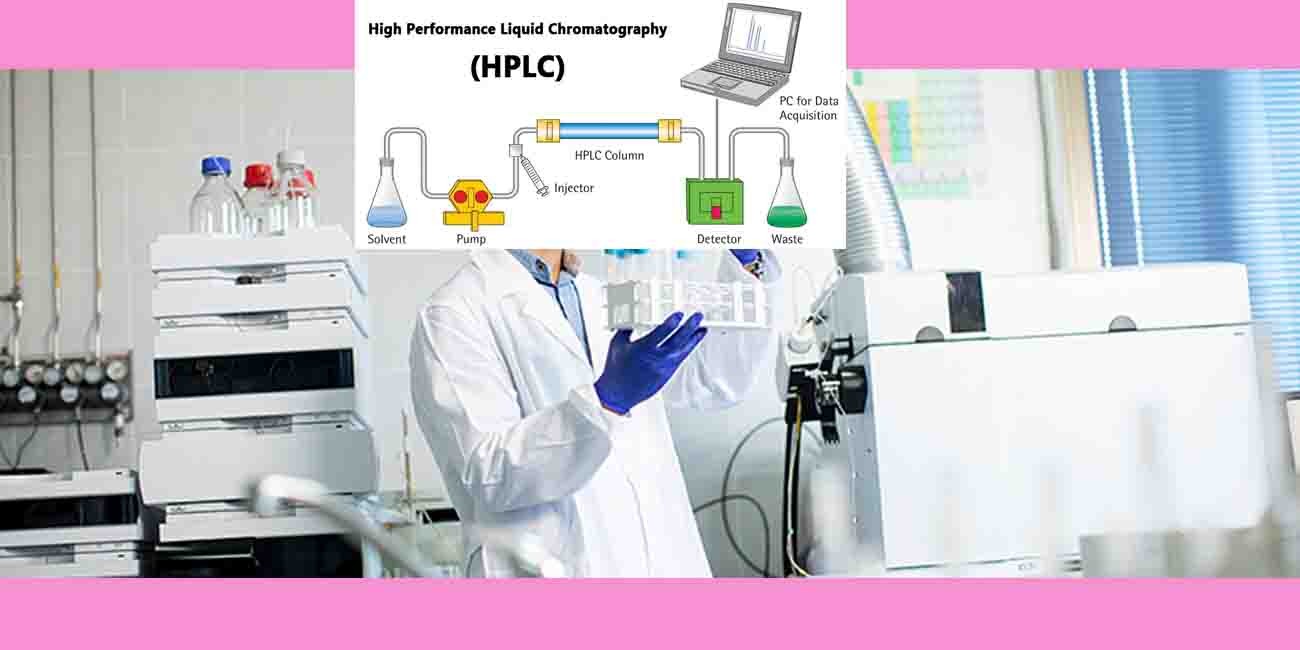
HPLC Machines: Precision in Chromatography Analysis with Ekra Cargo's Advanced Solutions
High-Performance
Liquid Chromatography (HPLC) machines are critical instruments in analytical
labs, providing powerful separation and identification capabilities for complex
samples. Used across pharmaceutical, environmental, and food testing
industries, HPLC machines are fundamental for achieving precise, reproducible
results in testing and analysis.
Ekra
Cargo offers high-quality HPLC solutions, including the Thermo TSQ Quantum Discovery Max MS System, designed to
enhance laboratory accuracy and efficiency. To learn more about this advanced
system, visit our product page here.
What is an HPLC Machine?
An
HPLC machine, also known as a high-performance liquid chromatography machine,
is an analytical tool used for separating, identifying, and quantifying
compounds in a mixture. These machines operate by passing liquid samples
through a column filled with a stationary phase, which separates compounds
based on their interactions with the column material. High pressure pumps
ensure consistent flow and separation efficiency, while detectors measure the
separated compounds.
With
its versatile applications, an HPLC machine is valuable in pharmaceutical,
clinical, biochemical, and environmental testing, supporting quality control,
research, and development.
Components of an HPLC Machine
An
HPLC machine comprises several key components, each playing a critical role in
the chromatographic process:
1. Solvent Reservoir:
·
Holds the mobile
phase, which carries the sample through the system. Solvent selection is
essential as it affects separation efficiency and compatibility with the
sample.
2. Pump:
·
Maintains high
pressure to propel the mobile phase through the column. The pump's precision
directly impacts flow consistency, crucial for reproducibility.
3. Injector:
·
Introduces the sample
into the system with accuracy, allowing for controlled sample quantities and
minimizing carryover.
4. Column:
·
Packed with stationary
phase materials, the column is responsible for separating the sample into
individual components based on their affinities.
5. Detector:
·
Detects and quantifies
separated components as they exit the column, producing a chromatogram that
visualizes the results.
6. Data System:
·
Records and processes
the data, providing quantitative analysis and supporting further
interpretation.
The
advanced Thermo TSQ Quantum Discovery Max MS System by Ekra
Cargo integrates HPLC and MS detection capabilities, allowing for heightened
sensitivity and selectivity in chromatography applications. For more details,
check it out here.
Applications of HPLC Machines
HPLC
machines are integral in various industries, supporting a broad range of
applications:
1. Pharmaceutical Analysis:
·
HPLC machines test
drug purity, stability, and content uniformity, ensuring compliance with
regulatory standards. They are invaluable in drug development and quality
control.
2. Environmental Testing:
·
In environmental labs,
HPLC machines detect contaminants in water, soil, and air samples, contributing
to pollution monitoring and regulatory compliance.
3. Food and Beverage Industry:
·
HPLC machines analyze
food samples for contaminants, preservatives, and nutritional content, ensuring
safety and quality for consumers.
4. Clinical and Biomedical Research:
·
These machines aid in
biomarker detection, drug metabolism studies, and therapeutic monitoring,
contributing to advancements in diagnostics and healthcare.
5. Chemical and Biochemical Research:
·
HPLC machines assist
in structural analysis, compound isolation, and purity testing for complex
biochemical samples, supporting academic and industrial research.
Types of HPLC Machines
1. Normal-Phase HPLC:
·
Uses a polar
stationary phase, suitable for separating polar compounds like amino acids.
Normal-phase HPLC is often used in food and environmental testing.
2. Reversed-Phase HPLC (RP-HPLC):
·
The most common type,
with a non-polar stationary phase. RP-HPLC is widely used in pharmaceutical and
biochemical applications.
3. Ion-Exchange HPLC:
·
Separates ionic
compounds by charge, making it ideal for analyzing proteins, nucleotides, and
other charged molecules in clinical and environmental labs.
4. Size-Exclusion HPLC (SEC):
·
Separates molecules
based on size, commonly used for studying large biomolecules like proteins,
often in biotechnology and pharmaceutical research.
5. Chiral HPLC:
·
Separates chiral
molecules, essential for pharmaceutical applications where different enantiomers
may have distinct biological effects.
Selecting
the right HPLC machine depends on the sample type, required resolution, and
sensitivity. Ekra Cargo’s Thermo TSQ Quantum Discovery
Max MS System provides flexibility and high performance, making
it suitable for a wide range of applications.
Choosing the Right HPLC Machine
When
selecting an HPLC machine, it’s important to consider the following factors to
optimize performance and achieve accurate results:
1. Application Needs:
·
Determine the sample
type, required sensitivity, and analysis goals. For instance, pharmaceutical
labs may need reversed-phase HPLC, while environmental labs may prioritize
ion-exchange HPLC.
2. Column Compatibility:
·
Ensure that the HPLC
machine is compatible with various columns to meet specific analysis
requirements. Certain columns enhance resolution for specific compounds.
3. Detection Requirements:
·
Choose a machine with
appropriate detection capabilities. For example, mass spectrometry (MS)
enhances sensitivity and selectivity, crucial for complex mixtures.
4. Maintenance and Operation:
·
Look for machines with
easy maintenance and operation features, as HPLC systems require regular upkeep
to maintain performance.
5. Data Analysis and Software:
·
Opt for a system with
advanced data analysis software, ensuring accurate interpretation of results.
Advanced data systems streamline workflows in busy labs.
The Thermo TSQ Quantum Discovery Max MS System available
at Ekra Cargo combines HPLC and MS technologies, providing a powerful solution
for precise, high-sensitivity analysis across various fields. For more
information, visit our product page here.
Enhancing HPLC Performance with Thermo TSQ
Quantum Discovery Max MS System
For
laboratories requiring superior HPLC performance, the Thermo TSQ Quantum
Discovery Max MS System from Ekra Cargo is an ideal choice. This system
integrates seamlessly with HPLC machines, offering enhanced mass spectrometry
capabilities for unparalleled sensitivity and resolution.
Benefits of the Thermo TSQ Quantum Discovery
Max MS System
1. High Sensitivity and Accuracy:
·
MS detection
significantly improves sensitivity, ideal for detecting low-abundance compounds
and trace contaminants.
2. Versatile Compatibility:
·
The system is
compatible with multiple HPLC columns and detectors, supporting various
analysis methods.
3. Enhanced Data Analysis:
·
The system’s software
provides comprehensive data processing, facilitating accurate and reproducible
analysis.
4. Optimized Workflow Efficiency:
·
The system’s
automation features streamline laboratory workflows, reducing sample processing
times.
Whether
for pharmaceutical, environmental, or clinical applications, this system
provides the precision and reliability required for advanced HPLC analysis.
Conclusion
HPLC
machines are indispensable tools in modern laboratories, providing the accuracy
and efficiency required for diverse applications in chromatography. Choosing
the right HPLC machine involves understanding the sample type, detection
requirements, and operational needs. Ekra Cargo’s Thermo TSQ Quantum Discovery Max MS System offers
an advanced solution that enhances HPLC applications with its powerful MS
capabilities, making it an excellent choice for laboratories requiring
high-performance, reliable analysis.
To
learn more about Ekra Cargo's range of HPLC solutions, including the Thermo TSQ
Quantum Discovery Max MS System, visit our product page here.


Ekracargo.com - Your trusted partner in industrial efficiency, providing a wide range of premium quality spare parts at competitive prices.
Contact Info
- Address: House 54 | Road 14 | Sector 14 | Uttara | Dhaka 1230 | Bangladesh
- Phone: Contact: +8801634736139 (WhatsApp) ,+8801789394669 (WhatsApp)
- Email: info@ekracargo.com