




The Importance of HPLC Columns in Chromatography
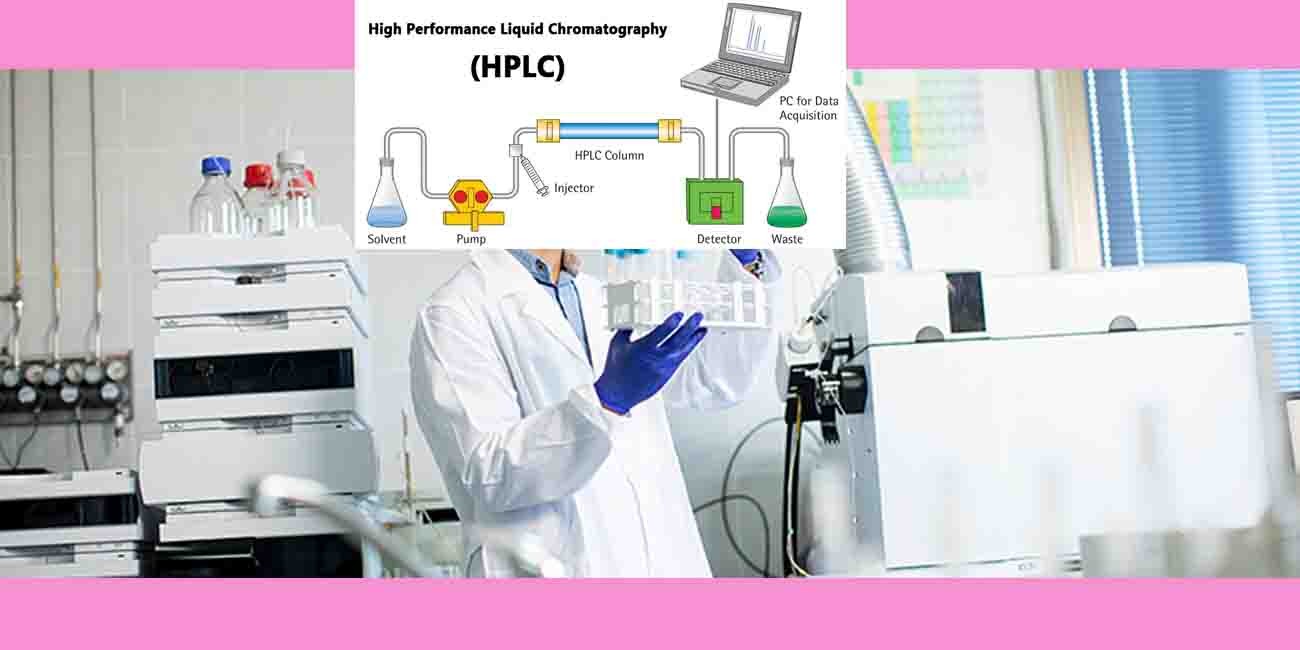
High-Performance
Liquid Chromatography (HPLC) is widely used for separating, identifying, and
quantifying compounds in complex mixtures. At the heart of this technology lies
the HPLC column, an essential component that directly impacts the efficiency,
resolution, and accuracy of HPLC analysis. Selecting the right HPLC column is
crucial for achieving precise results in various fields, including
pharmaceuticals, environmental analysis, food testing, and biotechnology.
Ekra Cargo
offers advanced equipment and solutions, such as the Thermo TSQ Quantum Discovery Max MS System, which
enhances HPLC applications by providing high-quality mass spectrometry (MS)
detection. Discover more about how this system can optimize your HPLC analysis
on our product page here.
What is an HPLC Column?
The HPLC
column is a cylindrical tube filled with a stationary phase that interacts with
the sample components as they pass through under high pressure. Each compound
in a sample interacts differently with the stationary phase, resulting in
separation based on physical and chemical properties. The type of stationary
phase inside the column can vary, providing different selectivity for various
compounds and applications.
HPLC
columns are available in various dimensions, materials, and packing types, each
suited to specific types of analysis. The column's efficiency, resolution, and
selectivity significantly influence the quality of the chromatographic data
obtained.
Types of HPLC Columns
Choosing
the right HPLC column depends on the type of analysis, sample complexity, and
desired resolution. Below are the most commonly used types of HPLC columns:
1.
Reversed-Phase
Columns (RP-HPLC):
·
RP-HPLC columns are the most widely
used columns, known for their non-polar stationary phases. These columns are ideal
for separating non-polar or moderately polar compounds, commonly used in
pharmaceutical and biochemical analysis.
2.
Normal-Phase
Columns:
·
With polar stationary phases,
normal-phase columns are effective for separating polar compounds, such as
amino acids and peptides, making them ideal for specific environmental and food
testing applications.
3.
Ion-Exchange
Columns:
·
Used for separating ionic compounds
based on charge, these columns are ideal for analyzing proteins, peptides, and
other charged molecules in clinical and environmental laboratories.
4.
Size-Exclusion
Columns:
·
Size-exclusion columns separate
molecules based on size, commonly used in biomolecule research for analyzing
large molecules like proteins and polysaccharides.
5.
Chiral
Columns:
·
Chiral columns separate enantiomers,
or mirror-image molecules, often required in pharmaceutical applications to
distinguish between different optical isomers of a drug.
Selecting the Right HPLC Column
Selecting
the appropriate HPLC column is essential for achieving accurate and reliable
results. Here are key factors to consider:
6.
Sample
Composition:
·
Consider the polarity, molecular
weight, and ionic nature of the compounds in your sample. For instance, non-polar
samples work best with reversed-phase columns, while ionic samples require
ion-exchange columns.
7.
Column
Dimensions:
·
Column length, internal diameter,
and particle size affect resolution and analysis time. Shorter columns with
smaller particle sizes offer faster analysis but may compromise resolution.
Choose dimensions based on your requirements for speed and accuracy.
8.
Stationary
Phase:
·
Different stationary phases provide
unique selectivities. Select the phase that best suits your sample type and analysis
goals.
9.
Temperature
Stability:
·
Some analyses require higher
temperatures for efficient separation. Ensure the column you choose can handle
the temperature ranges required for your method.
10.
Compatibility
with Detection Method:
·
Some HPLC columns are better suited
for specific detectors. For example, if using mass spectrometry (MS) detection,
consider compatibility with your detection system.
For
enhanced HPLC analysis, Ekra Cargo’s Thermo TSQ Quantum Discovery
Max MS System is equipped to work with a wide range of HPLC
columns. This system’s superior MS capabilities provide high sensitivity and
selectivity, ideal for demanding chromatographic applications. Explore more
about this advanced system here.
Applications of HPLC Columns in Various Industries
11.
Pharmaceutical
Industry:
·
HPLC columns are vital for testing
drug purity, identifying impurities, and ensuring compliance with regulatory
standards. Columns like RP-HPLC and chiral columns are frequently used for drug
analysis.
12.
Environmental
Testing:
·
In environmental laboratories, HPLC
columns analyze water and soil samples to detect pollutants, pesticides, and
organic compounds.
13.
Food and
Beverage Analysis:
·
HPLC columns play a crucial role in
testing food safety and quality. They help detect contaminants, vitamins, and
preservatives, ensuring product safety and compliance.
14.
Clinical
and Biomedical Research:
·
HPLC columns aid in the detection
and quantification of biomarkers, hormones, and drugs in biological samples,
supporting diagnostics and therapeutic monitoring.
15.
Biotechnology
and Life Sciences:
·
For protein, peptide, and nucleic
acid separation, HPLC columns are indispensable in biotechnology research,
helping to characterize biomolecules and support cutting-edge research.
Enhancing HPLC Analysis with Thermo TSQ Quantum Discovery
Max MS System
For
laboratories looking to improve the quality and efficiency of HPLC analysis,
the Thermo TSQ Quantum Discovery Max MS System by Ekra
Cargo offers robust capabilities. This advanced system integrates seamlessly
with HPLC columns to provide high sensitivity and selectivity, enabling
superior detection of compounds in complex samples.
Key Benefits:
16.
High
Sensitivity and Selectivity:
·
With mass spectrometry detection,
this system allows for precise identification and quantification, especially in
applications where high sensitivity is required.
17.
Flexible
Compatibility:
·
The system supports various HPLC
column types, making it versatile for diverse applications across industries.
18.
Enhanced
Data Accuracy:
·
Equipped with state-of-the-art
technology, the system delivers accurate, reproducible results, essential for
regulatory compliance and high-stakes research.
19.
Optimized
for High Throughput:
·
Ideal for labs with high-volume
testing needs, the system's automation features improve workflow efficiency and
reduce analysis time.
With Ekra
Cargo’s Thermo TSQ Quantum Discovery Max MS System, laboratories can achieve
unparalleled accuracy and efficiency, making it an excellent choice for
advanced HPLC applications.
Conclusion
HPLC
columns are a critical component in chromatography, offering the separation
efficiency required for precise analysis in diverse fields. Understanding the
types of columns and choosing the right one based on your specific needs
ensures better analytical results. For labs seeking top-tier equipment, Ekra
Cargo’s Thermo TSQ Quantum Discovery Max MS System offers
an ideal solution for enhancing HPLC testing with advanced mass spectrometry
capabilities.
To learn
more about Ekra Cargo’s range of HPLC solutions, including the Thermo TSQ
Quantum Discovery Max MS System, visit our product page here.


Ekracargo.com - Your trusted partner in industrial efficiency, providing a wide range of premium quality spare parts at competitive prices.
Contact Info
- Address: House 54 | Road 14 | Sector 14 | Uttara | Dhaka 1230 | Bangladesh
- Phone: Contact: +8801634736139 (WhatsApp) ,+8801789394669 (WhatsApp)
- Email: info@ekracargo.com