




A Comprehensive Guide to HPLC Column Types for Enhanced Chromatographic Analysis
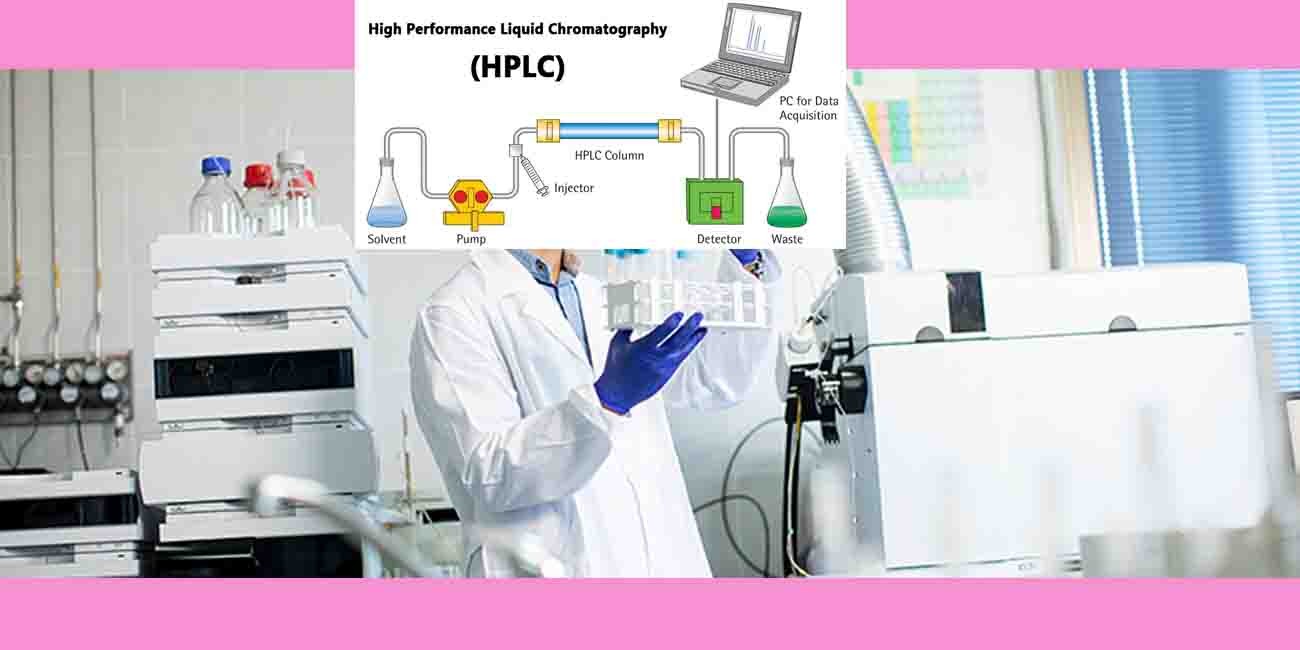
High-Performance
Liquid Chromatography (HPLC) is a crucial analytical method in scientific and
industrial laboratories. At the heart of every HPLC system is the column, a
critical component that determines the accuracy, speed, and efficiency of
compound separation. Understanding the types of HPLC columns and selecting the
right one for your analysis needs can significantly improve outcomes.
Ekra
Cargo provides advanced HPLC systems, including the Thermo TSQ Quantum Discovery Max MS System, which
boosts the performance and sensitivity of HPLC processes across various column
types. To explore how this system can support your HPLC needs, visit Ekra
Cargo's product page here.
The Role of HPLC Columns in Chromatography
In
HPLC, the column is packed with stationary phase materials designed to interact
with the compounds being analyzed. As the sample passes through, the
interactions between the stationary phase and mobile phase help separate
compounds based on polarity, size, or affinity. The column you select directly
impacts the separation efficiency and the resolution of the analysis.
Choosing
the correct HPLC column type can be challenging, as there are several
varieties, each suited to different applications and compound properties.
Types of HPLC Columns and Their Applications
1. Reverse-Phase (RP) Columns
·
Description: These are the most widely used HPLC columns
and are typically packed with nonpolar stationary phases such as C18 or C8.
·
Application: Ideal for separating nonpolar compounds and
widely used in pharmaceuticals, food analysis, and environmental testing.
·
Benefits: They offer high separation efficiency for
compounds with hydrophobic characteristics.
2. Normal-Phase (NP) Columns
·
Description: Normal-phase columns are packed with polar
stationary phases, such as silica, and work with nonpolar solvents.
·
Application: Used for separating polar compounds, NP
columns are commonly employed in petrochemical and natural product analysis.
·
Benefits: NP columns are effective for polar compound
separation but are less popular than RP columns due to solvent compatibility
requirements.
3. Ion-Exchange Columns
·
Description: These columns separate ionic compounds based
on their charge and include cation- and anion-exchange variants.
·
Application: Commonly used for analyzing amino acids,
proteins, and water quality.
·
Benefits: Ion-exchange columns provide excellent
separation for charged molecules, making them ideal for biochemical and
environmental applications.
4. Size-Exclusion Columns
·
Description: Size-exclusion columns separate molecules
based on size and are typically packed with materials like porous silica or
polymer beads.
·
Application: Useful for protein and polymer analysis,
especially in biochemistry and industrial applications.
·
Benefits: This non-adsorptive method preserves
analytes, making it perfect for sensitive biological samples.
5. Chiral Columns
·
Description: Chiral columns separate
enantiomers—molecules that are mirror images of each other.
·
Application: Widely used in pharmaceutical analysis for
chiral drug compounds.
·
Benefits: Essential for industries where enantiomeric
purity is crucial, such as pharmaceuticals.
6. Affinity Columns
·
Description: These columns are designed to exploit
specific binding interactions, such as between an antigen and an antibody.
·
Application: Typically used in protein purification and
biochemical analysis.
·
Benefits: High selectivity for particular biomolecules
makes affinity columns essential in research labs focusing on biological
samples.
By
integrating Ekra Cargo’s Thermo TSQ Quantum Discovery
Max MS System with these HPLC column types, labs can achieve
higher sensitivity and selectivity, especially in complex analyses. Check out
this system’s specifications and applications here.
Choosing the Right HPLC Column
Selecting
the appropriate HPLC column involves understanding your analyte's properties
and matching them to the column's characteristics. Important considerations
include:
·
Polarity
of the Analyte: Determine if your
analyte is polar, nonpolar, or charged, which will dictate whether to use
reverse-phase, normal-phase, or ion-exchange columns.
·
Molecular
Size: For large molecules,
size-exclusion columns are preferable to avoid compound denaturation.
·
Sample
Compatibility: Ensure that the
stationary phase and mobile phase are compatible with the sample to prevent
degradation.
When
paired with powerful HPLC systems, such as the Thermo TSQ
Quantum Discovery Max MS System, your choice of HPLC column can
enhance analytical precision and operational efficiency.
Applications of Different HPLC Columns
1. Pharmaceutical Industry: Reverse-phase columns are common here due to their efficiency
in separating drug compounds. Chiral columns are also crucial for chiral
compound analysis.
2. Environmental Testing: Ion-exchange and reverse-phase columns are used to analyze
water quality, air pollutants, and soil contaminants.
3. Food and Beverage: Size-exclusion columns analyze additives and contaminants,
while reverse-phase columns test for flavor components and preservatives.
4. Biotechnology and Life Sciences: Affinity and size-exclusion columns are essential for protein
purification and biomolecular analysis, supporting R&D in medical research.
5. Chemical Industry: Normal-phase columns are popular for analyzing organic
chemicals and petrochemical products.
Using
the right HPLC column optimizes productivity, reduces analysis time, and
improves the accuracy of results across these industries.
The Impact of Thermo TSQ Quantum Discovery Max
MS System on HPLC Column Performance
Ekra
Cargo’s Thermo TSQ Quantum Discovery Max MS System is
designed to work with a variety of HPLC column types, enhancing each column’s
specific strengths:
1. Enhanced Detection: Paired with any HPLC column, this system’s MS capabilities
allow for the detection of even trace amounts of compounds.
2. Improved Accuracy: The Thermo TSQ Quantum Discovery Max MS System ensures
reproducible results, crucial for pharmaceutical and biochemical applications.
3. Expanded Range of Analysis: It accommodates a variety of sample types, from small
molecules to large biomolecules, making it versatile across industries.
These
advantages make the Thermo TSQ Quantum Discovery Max MS System a valuable
addition to HPLC setups, increasing the precision and scope of analyses.
Conclusion
Choosing
the right HPLC column is critical for effective chromatographic analysis. By
understanding the properties and applications of various column
types—reverse-phase, normal-phase, ion-exchange, size-exclusion, chiral, and
affinity—you can achieve the best separation and analysis results. Ekra
Cargo’s Thermo TSQ Quantum Discovery Max MS System further
enhances these outcomes, providing superior sensitivity and accuracy for
complex analyses.
For
more details on the Thermo TSQ Quantum Discovery Max MS System and how it can
optimize your HPLC setup, visit Ekra Cargo’s product page here.


Ekracargo.com - Your trusted partner in industrial efficiency, providing a wide range of premium quality spare parts at competitive prices.
Contact Info
- Address: House 54 | Road 14 | Sector 14 | Uttara | Dhaka 1230 | Bangladesh
- Phone: Contact: +8801634736139 (WhatsApp) ,+8801789394669 (WhatsApp)
- Email: info@ekracargo.com