




An Introduction to HPLC Chromatography: Unlocking Precision in Analytical Chemistry
High-Performance
Liquid Chromatography (HPLC) is a powerful analytical technique used
extensively in chemistry, biology, and pharmaceutical research. It enables
scientists to separate, identify, and quantify compounds in a sample, making it
indispensable in laboratories worldwide.
HPLC
Chromatography is crucial for various applications, including drug development,
environmental testing, and food safety analysis. By using a liquid mobile phase
and a solid stationary phase, HPLC achieves accurate separation of components
based on their chemical properties, such as polarity, size, and charge.
For
researchers and laboratories looking to enhance their HPLC capabilities, Ekra
Cargo offers the Thermo TSQ Quantum Discovery Max MS System,
a state-of-the-art system designed to take HPLC analysis to the next level.
Learn more about this advanced system here.
The Basics of HPLC Chromatography
At
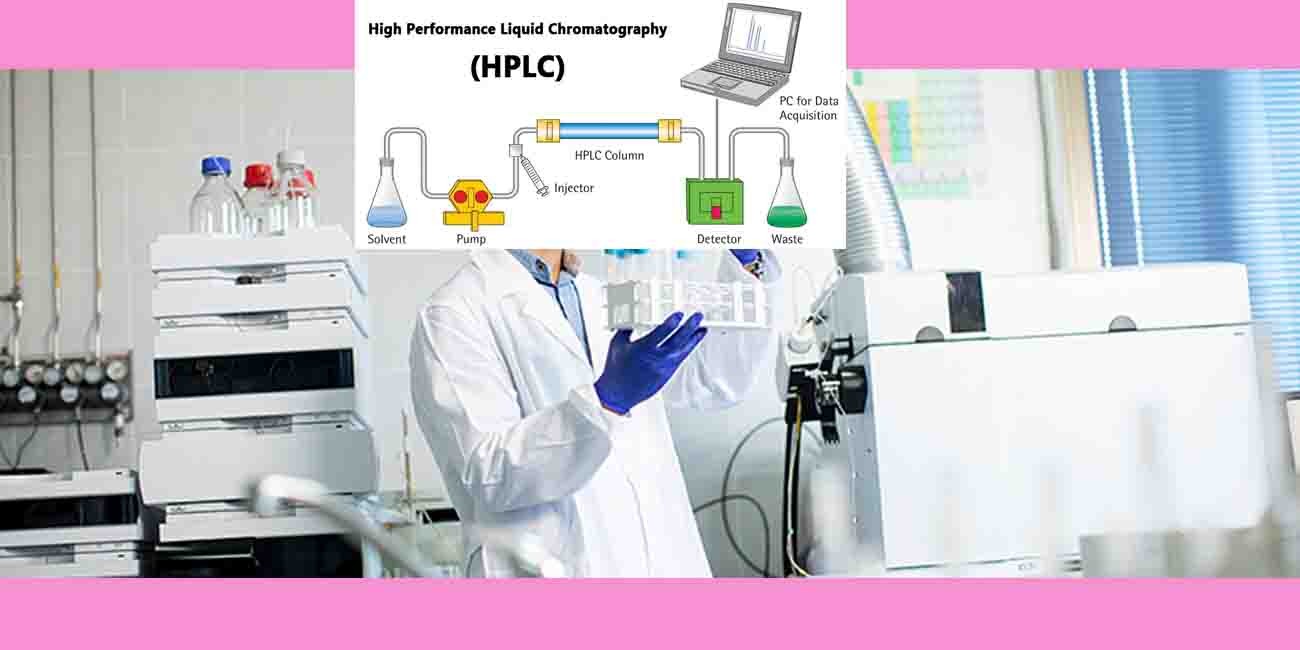
its core, HPLC chromatography involves passing a liquid sample through a column
filled with a stationary phase (often silica or other porous materials). As the
sample moves through the column, its individual components interact differently
with the stationary phase, leading to their separation. This separation is
based on factors such as:
·
Polarity: Polar compounds interact more strongly with
polar stationary phases.
·
Molecular
Size: Larger molecules
often elute slower than smaller ones.
·
Charge: Charged molecules can be separated using
ion-exchange techniques.
The
separated compounds are detected at the column’s end, with results often
presented as chromatograms showing the time it takes for each compound to elute
from the column.
The Role of HPLC Chromatography in Research
HPLC
chromatography plays a crucial role across several scientific fields:
1. Pharmaceutical Industry: HPLC is widely used for drug development, quality control, and
regulatory testing. It ensures that pharmaceutical products meet safety
standards and are free from contaminants.
2. Environmental Analysis: HPLC is used to detect pollutants in air, water, and soil,
ensuring compliance with environmental regulations.
3. Biological and Clinical Research: In biology, HPLC helps isolate and analyze proteins, enzymes,
and metabolites. Clinical labs use it for diagnostic purposes, including
detecting biomarkers and drug levels in blood samples.
4. Food and Beverage Industry: HPLC is essential in testing the quality and safety of food
products, such as detecting additives, preservatives, and toxins.
Types of HPLC Chromatography
HPLC
chromatography can be customized for various applications by choosing the appropriate
separation mode. Some common types of HPLC include:
·
Reverse
Phase HPLC (RP-HPLC): The most commonly
used type of chromatography, where the stationary phase is nonpolar, and the
mobile phase is polar. This method is effective for separating hydrophobic
compounds.
·
Ion
Exchange HPLC (IEX-HPLC):
Involves a stationary phase that interacts with charged molecules. IEX-HPLC is
essential for separating proteins, peptides, and nucleic acids.
·
Size
Exclusion Chromatography (SEC-HPLC): This technique separates molecules based on size and is ideal
for analyzing proteins, polymers, and nanoparticles.
·
Normal
Phase HPLC: Here, the stationary
phase is polar, and the mobile phase is nonpolar. Normal phase HPLC is
typically used for polar compounds.
Enhancing HPLC Analysis with the Thermo TSQ
Quantum Discovery Max MS System
The Thermo TSQ Quantum Discovery Max MS System by Ekra
Cargo is a sophisticated tool designed to enhance the capabilities of HPLC
chromatography. It integrates High-Performance Liquid Chromatography with Mass
Spectrometry (HPLC-MS), providing a deeper level of analysis and sensitivity
for complex samples. The system is ideal for detecting trace compounds and
providing detailed molecular information, making it an invaluable tool for both
qualitative and quantitative analysis.
Key
features of the Thermo TSQ Quantum Discovery Max MS System include:
1. High Sensitivity: With its enhanced sensitivity, this system can detect
low-abundance compounds, which is crucial for complex biological and
environmental samples.
2. Accurate Quantification: HPLC-MS offers accurate quantification of analytes, even in
the presence of complex matrices.
3. High Throughput: The system can handle high sample volumes and provides fast,
reproducible results, which is essential for labs with high demands.
4. Comprehensive Data Analysis: The integration of mass spectrometry allows for more detailed
analysis of molecular structures and provides data on compound fragmentation,
which is essential for structural elucidation.
5. Versatility:
This system supports various HPLC techniques, including Reverse Phase HPLC, Ion
Exchange HPLC, and Size Exclusion Chromatography, making it versatile for a
wide range of applications.
Discover
more about this cutting-edge HPLC-MS system here.
How HPLC Chromatography and Mass Spectrometry
Work Together
When
combined with Mass Spectrometry (MS), HPLC chromatography offers even more
powerful analysis. HPLC separates the compounds in a sample, and then MS
identifies and quantifies these compounds with high precision. This combination
allows researchers to:
·
Obtain
Detailed Molecular Information: MS provides insights into the molecular structure and
composition of each separated compound, making it easier to identify unknown
substances.
·
Detect
Trace Levels: MS enhances the sensitivity
of HPLC, enabling the detection of trace-level compounds, which is essential in
fields such as environmental testing, clinical diagnostics, and forensic
analysis.
·
Increase
Analysis Speed: The combination of
HPLC and MS allows for faster analysis, increasing the throughput of
laboratories that process large numbers of samples.
The Thermo TSQ Quantum Discovery Max MS System provides
this essential integration, ensuring high-precision results for even the most
complex samples. Learn more about the system's features here.
Applications of HPLC Chromatography in Various
Industries
·
Pharmaceutical
Research and Development:
In drug development, HPLC chromatography is used to identify active
pharmaceutical ingredients (APIs), test for impurities, and analyze the
pharmacokinetics of drugs.
·
Biotechnology: HPLC helps in the analysis of biomolecules
like proteins, peptides, and nucleic acids. Researchers can determine the
purity and size distribution of these molecules, which is essential in the
development of biologics and vaccines.
·
Food
and Beverage Safety: HPLC is used in food
analysis to ensure that products are free from harmful contaminants such as
pesticides, heavy metals, and preservatives.
·
Environmental
Monitoring: HPLC chromatography
is used in environmental monitoring to measure pollutants and toxins in air,
water, and soil samples, ensuring that they meet environmental standards.
Conclusion
HPLC
chromatography is a fundamental analytical tool that is widely used across
industries, from pharmaceutical and biotechnology research to environmental
monitoring and food safety. When combined with Mass Spectrometry, as in
the Thermo TSQ Quantum Discovery Max MS System, HPLC
analysis becomes even more powerful, providing researchers with enhanced
sensitivity, accurate quantification, and detailed molecular insights.
Ekra
Cargo offers top-of-the-line HPLC equipment designed to meet the needs of
modern laboratories. For advanced HPLC-MS systems that deliver high performance
and versatility, explore more about the Thermo TSQ Quantum Discovery
Max MS System here.


Ekracargo.com - Your trusted partner in industrial efficiency, providing a wide range of premium quality spare parts at competitive prices.
Contact Info
- Address: House 54 | Road 14 | Sector 14 | Uttara | Dhaka 1230 | Bangladesh
- Phone: Contact: +8801634736139 (WhatsApp) ,+8801789394669 (WhatsApp)
- Email: info@ekracargo.com