




High Limit Switch A Complete Guide for Beginners & Professionals | FAQ |
High Limit Switch: A Complete Guide for Beginners & Professionals
What Is a High Limit Switch?
A limit switch is a safety device that shuts off a system when temperatures
exceed a safe level. It’s commonly used in:
- HVAC systems (furnaces, boilers)
- Industrial machinery
- Appliances (ovens, water heaters)
Without a limit switch, overheating can cause equipment damage or even fires.
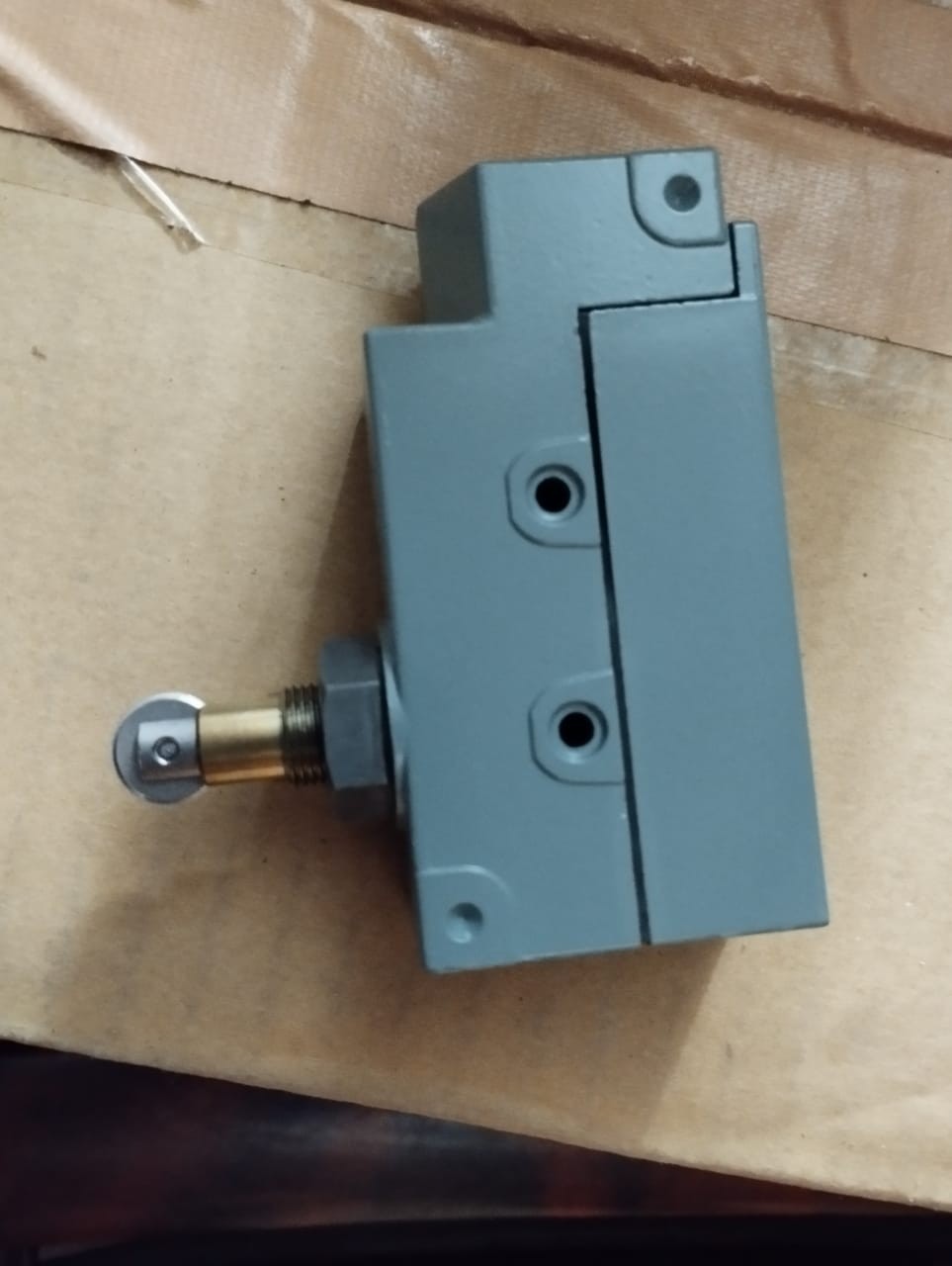
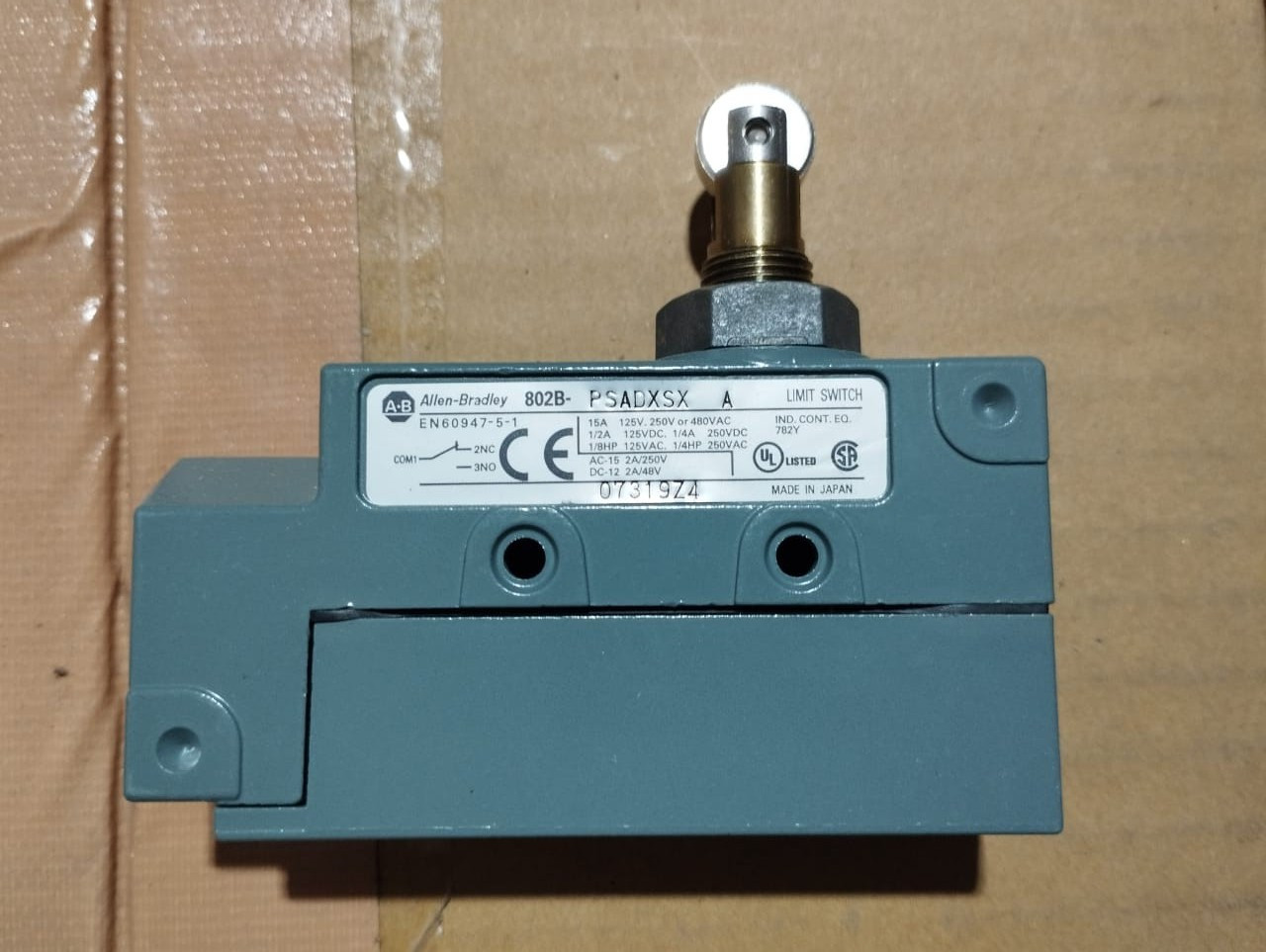
Check the product at Ekra Cargo
How Does a Limit Switch Work?
The
switch monitors temperature via a sensor. If temperatures rise too high:
1.
The sensor triggers
the switch.
2.
The switch cuts power
to the heating element or shuts down the system.
3.
Once temperatures
cool, some switches reset automatically, while others require manual reset.
Key Components:
- Temperature sensor (bi-metal strip or thermocouple)
- Switch contacts (open or close the circuit)
- Housing (protects internal components)
Types of High Limit Switches
1. Manual Reset vs. Automatic Reset
- Manual Reset: Requires user intervention to restart the system
(safer for critical applications).
- Automatic Reset: Reactivates once temperatures normalize (common
in household appliances).
2. Fixed vs. Adjustable Temperature Settings
- Fixed: Pre-set temperature limit (no adjustments
needed).
- Adjustable: Allows customization for different applications.
3. Mechanical vs. Electronic
- Mechanical: Uses bi-metal strips (durable, low-cost).
- Electronic: Digital sensors (more precise, but pricier).
Top Limit Switch Recommendations
|
Product |
Pros |
Cons |
|
Honeywell L4064B |
Reliable, manual reset, durable |
Not adjustable |
|
White Rodgers 90-113 |
Automatic reset, affordable |
Less precise than digital models |
|
Johnson Controls A419 |
Adjustable, electronic accuracy |
Higher cost |
|
Furnas 70-C24 |
Industrial-grade, heavy-duty |
Bulky for small systems |
Buying Guide: How to Choose the Right Limit Switch
1. Check Temperature Range
- HVAC systems: 120°F –
200°F
- Industrial machines: Up
to 500°F or higher
2. Reset Type (Manual vs. Automatic)
- Manual reset for critical safety (furnaces).
- Automatic reset for convenience (water heaters).
3. Compatibility
- Ensure it fits your system
(voltage, mounting style).
4. Durability & Brand Reputation
- Stick with trusted brands
like Honeywell, Johnson Controls, or White Rodgers.
Installation Tips
1.
Turn
off power before
installation.
2.
Mount
the switch near the heat
source.
3.
Test
the system after
installation.
Pro Tip: If
unsure, hire a professional—especially for HVAC systems.
Common Problems & Troubleshooting
1. Switch Tripping Too Often
- Possible Cause: Dirty sensor, faulty wiring, or incorrect
temperature setting.
- Fix: Clean the sensor, check wiring, or replace the
switch.
2. Switch Not Tripping at All
- Possible Cause: Sensor failure or stuck contacts.
- Fix: Test with a multimeter and replace if faulty.
FAQs About High Limit Switches
Q: Can I bypass a limit switch?
A: Never! It’s
a critical safety feature. Bypassing it can lead to overheating and fire
hazards.
Q: How often should I replace a high limit
switch?
A:
If functioning properly, it can last 5-10 years. Replace it if it
fails testing.
Q: Why does my furnace keep tripping the limit
switch?
A: Common causes include dirty filters, blocked vents, or a failing blower motor.
Final Thoughts
A high Allen Bradley limit switch is a small but vital component for safety and efficiency. Whether you’re maintaining a furnace, boiler, or industrial machine, choosing the right switch ensures long-term reliability.


Ekracargo.com - Your trusted partner in industrial efficiency, providing a wide range of premium quality spare parts at competitive prices.
Contact Info
- Address: House 54 | Road 14 | Sector 14 | Uttara | Dhaka 1230 | Bangladesh
- Phone: Contact: +8801634736139 (WhatsApp) ,+8801789394669 (WhatsApp)
- Email: info@ekracargo.com