




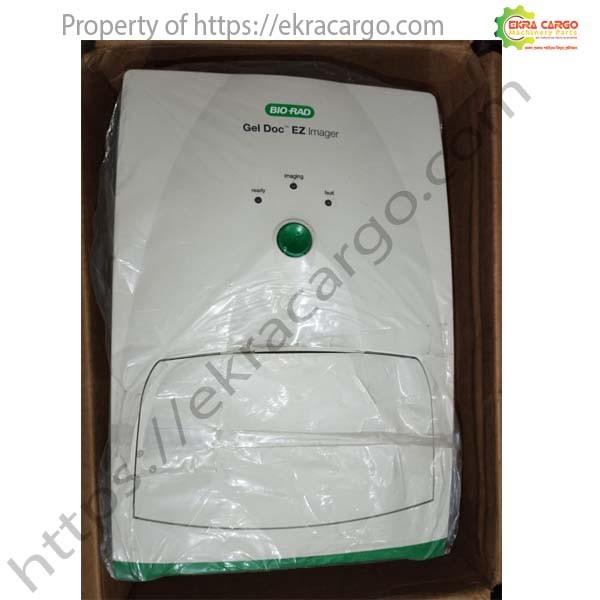
Gel Electrophoresis: Principles, Applications, and Laboratory Techniques
Understanding Gel Electrophoresis: A Key Lab Technique Gel electrophoresis
is a technique used in the laboratory for the separation of charged molecules,
including DNA, RNA, and proteins, according to size. It is one of the common
tools of molecular biology, biotechnology, and forensic science for genetic
material analysis, studying mutations, and verification of results from PCR.
How Does Gel Electrophoresis Work? This process involves the following:
·
Preparation of the Gel -
Agarose or polyacrylamide gel is usually used.
·
Loading the Samples - DNA, RNA,
or proteins are mixed with a dye and loaded into wells.
·
Application of Electric Field -
The molecules migrate through the gel according to their size and charge.
·
Visualization - After
separation, bands are observed under UV light or by staining techniques.
Applications of Gel Electrophoresis
·
DNA Analysis - It is used in
verification during PCR, studies of genetic fingerprinting, and mutation
studies.
·
RNA Studies - It helps in
assessing the integrity of RNA before RT-PCR.
·
Protein Separation - This is a
very important process in Western blotting and proteomics research.
·
Forensic Science - Used in the
investigation of crime scenes, paternity testing, amongst others.
·
Medical Diagnostics - Diagnosis
of genetic disorders and diseases.
Best Practices for Precise Gel Electrophoresis Results ✔️
High-quality agarose or polyacrylamide for better separation. ✔️
Keep correct buffer pH to avoid sample degradation. ✔️
Load samples very carefully to avoid well contamination. ✔️
Optimize voltage and running time for clear band resolution. ✔️
Staining with appropriate dyes, such as ethidium bromide or SYBR Green.
Conclusion Gel electrophoresis is a powerful technique that forms the
backbone of biomedical research, diagnostics, and forensic science. Mastery of
this technique (working on DNA sequencing, protein analysis, or genetic
fingerprinting) is very important to ensure reliable results.


Ekracargo.com - Your trusted partner in industrial efficiency, providing a wide range of premium quality spare parts at competitive prices.
Contact Info
- Address: House 54 | Road 14 | Sector 14 | Uttara | Dhaka 1230 | Bangladesh
- Phone: Contact: +8801634736139 (WhatsApp) ,+8801789394669 (WhatsApp)
- Email: info@ekracargo.com