




Electrical Insulation Materials: Ensuring Safety and Efficiency in Electrical Systems
Electrical insulation materials are
essential components of modern electrical systems, providing the necessary
protection against electrical hazards, ensuring efficient energy transmission,
and increasing the longevity of equipment. From power transmission lines to
industrial machinery and household electrical systems, these materials play a
crucial role in safeguarding against electrical faults and reducing downtime.
Let’s explore various types of electrical insulation materials, their
properties, applications, and why they are indispensable in today’s
technological landscape.
Types
of Electrical Insulation Materials
- Porcelain Insulators
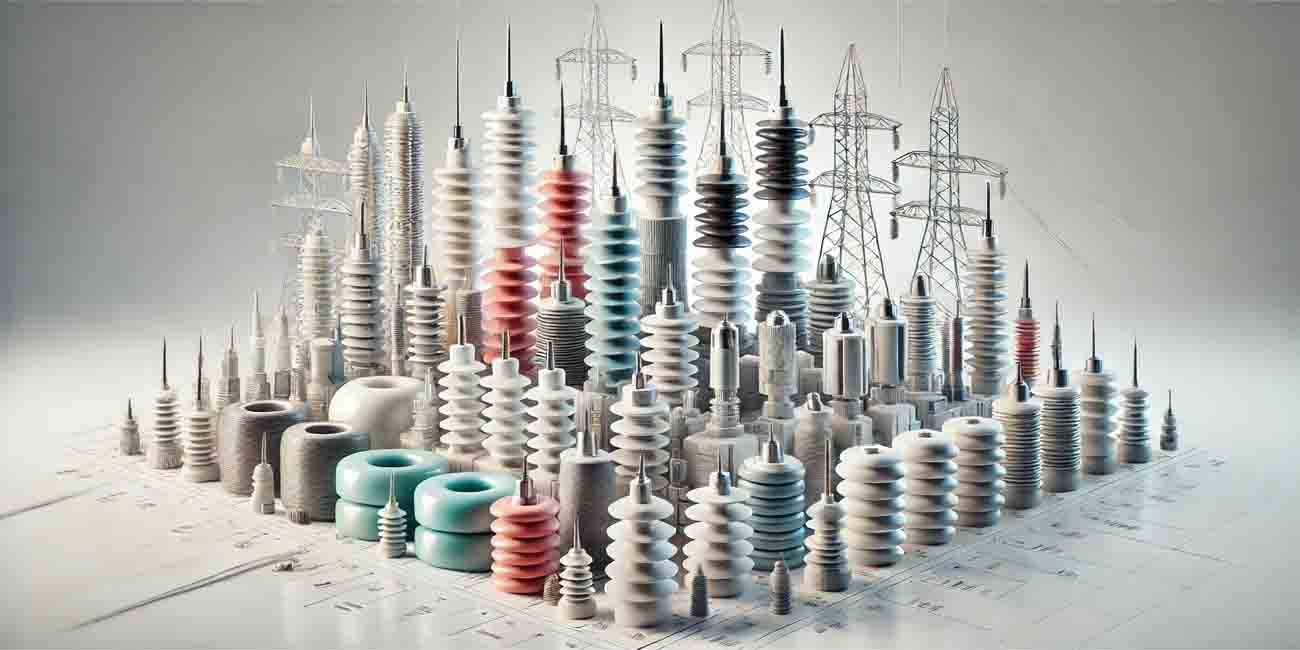
Porcelain insulators are one of the most widely used high-voltage insulation materials. They offer excellent mechanical strength and are highly resistant to weather conditions and environmental factors. These insulators are designed to withstand extreme temperatures and maintain their insulating properties over long periods.
Applications: - Power transmission lines
- Substations
- High voltage transformers
- Rubber Insulation
Rubber is a versatile and flexible insulation material, ideal for applications requiring protection against mechanical stresses and electrical currents. It is commonly used in cables, protective gloves, and electrical safety mats.
Applications: - Cable insulation
- Safety gear for electricians
- Electrical wiring in harsh environments
- PVC (Polyvinyl Chloride) Insulation
PVC is one of the most commonly used materials for electrical insulation due to its excellent balance of flexibility, durability, and resistance to environmental factors. It is widely used in residential, commercial, and industrial electrical systems.
Applications: - Residential wiring
- Industrial cables
- Low and medium voltage applications
- Glass Insulators
Glass insulators have been used for decades in electrical systems, particularly in overhead power lines. They are highly durable and provide good insulation even under high voltages.
Applications: - Overhead power lines
- Railway electrification systems
- Epoxy Resin
Epoxy resins are commonly used for specialized high-performance insulation. These resins offer excellent thermal and mechanical properties, making them suitable for transformers and motors.
Applications: - Transformer insulation
- Motor winding protection
- Polymeric Insulators
Modern polymeric materials such as polyethylene and silicone are increasingly replacing traditional materials like glass and porcelain in many applications. They provide superior environmental resistance and are lightweight, enhancing efficiency.
Applications: - Underground cable systems
- Surge arresters
- Smart grid systems
Properties
of Electrical Insulation Materials
To ensure maximum efficiency and
safety, electrical insulation materials must exhibit the following key
properties:
- High Dielectric Strength: Prevents breakdown under high voltage
- Thermal Stability:
Resists changes in temperature without degradation
- Mechanical Strength:
Withstands physical stress and pressure
- Moisture and Chemical Resistance: Protects against water, corrosion, and other
environmental factors
Importance
of Electrical Insulation Materials
Electrical insulation materials are
vital for:
- Safety:
Preventing electrical shocks and short circuits
- Reliability:
Ensuring the long-term operation of electrical systems
- Efficiency:
Minimizing energy losses and improving system performance
- Environmental Protection: Providing resistance to external factors like
moisture, heat, and chemicals
Applications
of Electrical Insulation Materials
- Power Transmission and Distribution
High voltage systems require reliable insulation to prevent breakdowns and ensure smooth power flow. Porcelain, polymeric, and glass insulators are commonly used for these purposes. - Industrial Settings
In factories and industrial plants, rubber and epoxy resin-based insulations are used in motors, transformers, and circuit breakers to ensure safety and efficiency. - Residential Wiring
PVC and rubber insulations are extensively used in residential applications to safeguard household electrical systems from faults and accidents. - Renewable Energy Systems
In solar and wind energy systems, polymeric and silicone-based insulators are critical for ensuring the longevity and reliability of power generation equipment.
Why
Choose Ekra Cargo for Electrical Insulation Materials?
At Ekra Cargo, we provide a comprehensive range of high-quality electrical insulation materials to meet diverse industrial and residential needs. From porcelain insulators to advanced polymeric solutions, we ensure that our products meet stringent safety and performance standards. Visit us at Ekra Cargo to explore our range and choose the best insulation solutions


Ekracargo.com - Your trusted partner in industrial efficiency, providing a wide range of premium quality spare parts at competitive prices.
Contact Info
- Address: House 54 | Road 14 | Sector 14 | Uttara | Dhaka 1230 | Bangladesh
- Phone: Contact: +8801634736139 (WhatsApp) ,+8801789394669 (WhatsApp)
- Email: info@ekracargo.com