





Unlocking Efficiency: The Essential Guide to the Electric Gate Valve Actuator
In the world of industrial automation and fluid control,
precision, reliability, and safety are non-negotiable. At the heart of many
modern piping systems lies a critical component that makes this possible:
the electric gate valve actuator. This powerful device is
the muscle that automates the operation of gate valves, transforming simple
manual valves into intelligent, responsive parts of a larger control system.
Whether you're managing a water treatment plant, an oil and gas pipeline, or a power generation facility, understanding the role and benefits of this technology is key to optimizing your operations.
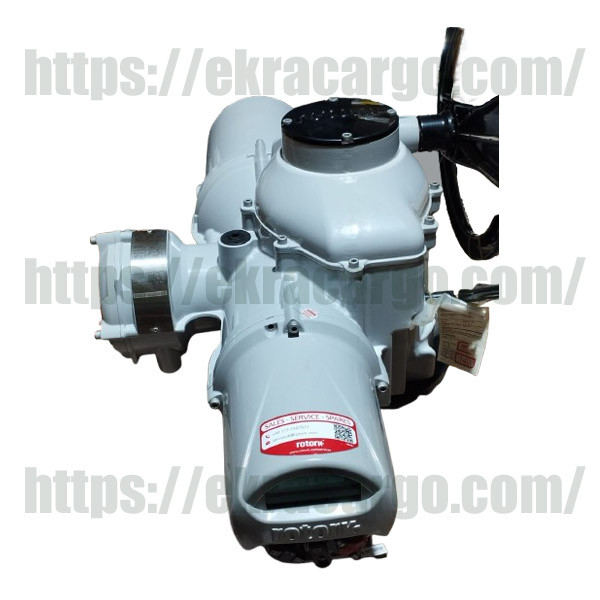
Explore the Rotork 1091 Electric Actuator on our product page.
What is an Electric Gate Valve Actuator?
Simply put,
an electric gate valve actuator is an
electromechanical device mounted on a gate valve to automate its opening and
closing. Instead of requiring an operator to manually turn a handwheel, the
actuator uses an electric motor to generate the torque needed to move the
valve's wedge or gate up and down. This linear motion perfectly suits the
function of a gate valve, which is designed for full-open or full-close
service, providing a tight seal with minimal pressure drop when open.
Key Advantages of Automating with an Electric Actuator
Why are
industries rapidly shifting from manual to automated valve control? The
benefits are substantial:
1. Enhanced Operational Efficiency: Automating valve cycles saves
significant time and labor, especially for valves in hard-to-reach locations.
Complex sequences can be programmed and executed with the push of a button.
2. Improved Safety: By allowing remote operation,
electric actuators keep personnel away from hazardous environments,
high-temperature lines, or toxic fluids. They are a cornerstone of modern
industrial safety protocols.
3. Precise Control and Positioning: Electric actuators offer
exceptional control over valve position. They can be programmed to stop at any
intermediate point and provide feedback on their status, integrating seamlessly
with SCADA and PLC systems for real-time monitoring.
4. Reliability and Consistency: Unlike pneumatic systems that
require clean, dry air, electric units only need a power source. They deliver
consistent torque and thrust, unaffected by air pressure fluctuations, ensuring
repeatable performance.
5. Environmental and Cost Benefits: Electric systems eliminate the
risk of air leaks and do not consume energy when holding a position (unlike
pneumatic systems), leading to lower operating costs and a smaller carbon
footprint.
Choosing the Right Actuator: The Rotork 1091 Example
Selecting the
correct actuator is crucial for system integrity and longevity. It's not just
about torque; it's about compatibility, durability, and intelligence. A prime
example of engineering excellence in this field is the Rotork 1091 series.
The Rotork 1091
is a multi-turn electric actuator designed for reliable operation in the most
demanding conditions. It is a perfect match for gate valves, providing the high
thrust output needed for their initial unseating. Key features that make it a
superior choice include:
·
Robust Construction: Built to withstand harsh environments, including corrosive
atmospheres and extreme weather.
·
Intelligent Control: Features non-intrusive configuration, allowing for setup
and diagnostics without opening the enclosure and breaking the environmental
seal.
·
Dependable Torque and Thrust Control: Protects the valve and itself from
damage through accurate torque and limit switching.
·
Versatile Power Options: Can be configured for various supply voltages,
making it adaptable to different site requirements.
For a specific,
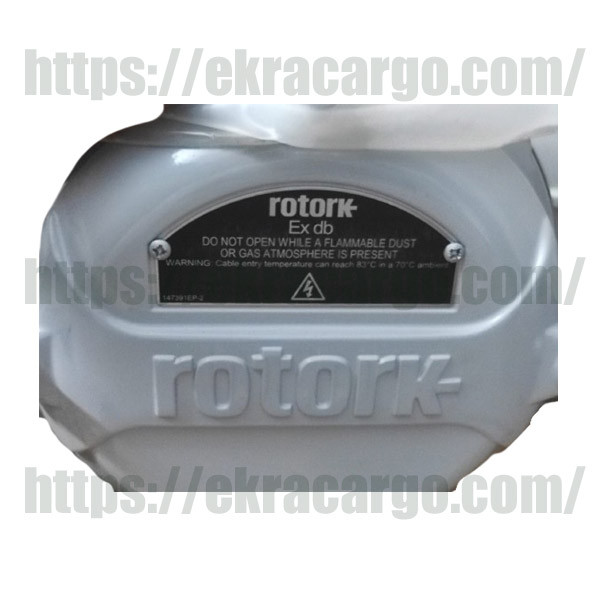
high-quality solution, we offer the Rotork 1091 Electric Actuator
(1356-5W95560101 F25 B4). This model exemplifies the
reliability and performance that industries depend on for critical valve
automation tasks.
Applications Across Industries
The versatility
of the electric gate valve actuator makes it indispensable across a wide
spectrum of sectors:
·
Water & Wastewater: For controlling flow in treatment plants,
reservoirs, and distribution networks.
·
Oil & Gas: Used in upstream, midstream, and downstream applications
for pipeline isolation and wellhead control.
·
Power Generation: Manages the flow of cooling water, feedwater, and other
critical media in nuclear, thermal, and hydroelectric plants.
·
Chemical Processing: Provides reliable shut-off for aggressive and hazardous
chemicals.
·
Marine & Shipbuilding: Automates valves in ballast,
bilge, and fuel systems on vessels.
Conclusion: Powering the Future of Flow Control
The transition
to automated valve systems is no longer a luxury but a necessity for
competitive, safe, and efficient industrial operations. An electric gate valve
actuator is more than just a component; it is the intelligent link between your
control room and your physical process.
By investing in
a high-quality actuator like the Rotork 1091, you are not just purchasing a
product—you are investing in the reliability, safety, and efficiency of your
entire operation. It ensures that your valves operate precisely when and how
they are supposed to, day in and day out.
Ready to automate your flow control? Browse our selection of industrial-grade actuators and discover how we can help you build a smarter, more responsive system.


Ekracargo.com - Your trusted partner in industrial efficiency, providing a wide range of premium quality spare parts at competitive prices.
Contact Info
- Address: House 54 | Road 14 | Sector 14 | Uttara | Dhaka 1230 | Bangladesh
- Phone: Contact: +8801634736139 (WhatsApp) ,+8801789394669 (WhatsApp)
- Email: info@ekracargo.com